

Understanding the Growing Reality of Parental Anxiety
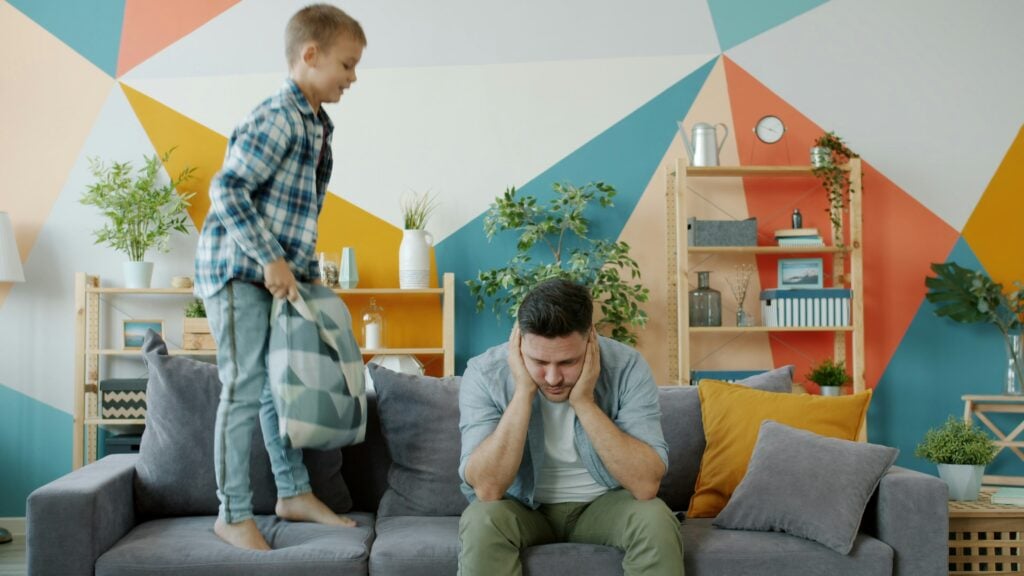
No matter how you slice it, anxiety has become an increasingly common part of modern parenting. Between financial pressures, social media comparisons, academic expectations, and concerns about children’s safety and future success, many parents find themselves in an almost constant state of stress.
According to the National Institute of Mental Health, anxiety disorders affect millions of adults each year, making anxiety one of the most common mental health challenges faced by parents today. When left unchecked, those worries can unintentionally influence the entire family environment.
While some anxiety is obviously normal, it’s hard to keep anxiety in check when your kids are around. Children are often highly attuned to their parents’ emotional state and parents’ stress level can contribute to their own. Psychologist Dr. Becky Kennedy explained that resilience and emotional health are built not by eliminating challenges but by learning how to navigate them. As she noted, children benefit when parents recognize that “the goal isn’t to raise happy kids all the time, but kids who can tolerate discomfort and move through it.”
How Anxiety Can Affect Children
Children learn how to interpret the world by watching the adults around them. According to the Child Mind Institute, anxious parents can unintentionally communicate that everyday situations are dangerous, leading children to become more fearful or avoidant themselves.
“The strongest way parents pass anxiety to their children is through modeling,” explains the Child Mind Institute. When children repeatedly observe anxious reactions, they may begin to mirror those responses in their own lives.
Parental anxiety can also contribute to overprotection. A piece written by Bridget Kaz and Clinical Expert: Jamie Howard, PhD notes that when parents consistently step in to prevent discomfort, children may miss opportunities to develop confidence, independence, and problem-solving skills.
This effect can be especially noticeable in social situations. According to the National Social Anxiety Center, children often pick up on a parent’s fear of judgment or embarrassment, potentially affecting their own willingness to engage socially. “Children learn not only from what we say, but from what we do,” the organization explains.
Strategies for Managing Anxiety Around Kids
The good news is that parents don’t need to be anxiety-free to raise emotionally healthy children. Experts emphasize that acknowledging anxiety and managing it constructively can be a powerful teaching tool.
One helpful strategy is to model healthy coping skills. Rather than hiding every anxious feeling, parents can calmly explain what they’re experiencing and demonstrate positive responses such as deep breathing, taking a walk, or challenging anxious thoughts.
The National Social Anxiety Center recommends gradually facing uncomfortable situations instead of avoiding them altogether. By demonstrating courage in the face of anxiety, parents show children that difficult emotions are manageable and temporary.
Dr. Kennedy also encourages parents to focus less on perfection and more on emotional flexibility. Children don’t need flawless role models—they need adults who can navigate challenges, recover from setbacks, and show that feeling anxious doesn’t have to stop them from living fully.
Ultimately, managing parental anxiety isn’t about pretending everything is fine. It’s about showing children that while worry is a normal part of life, it doesn’t have to be in charge.

