

Experts Say Parents Should Help Kids Separate Appearance From Self-Worth
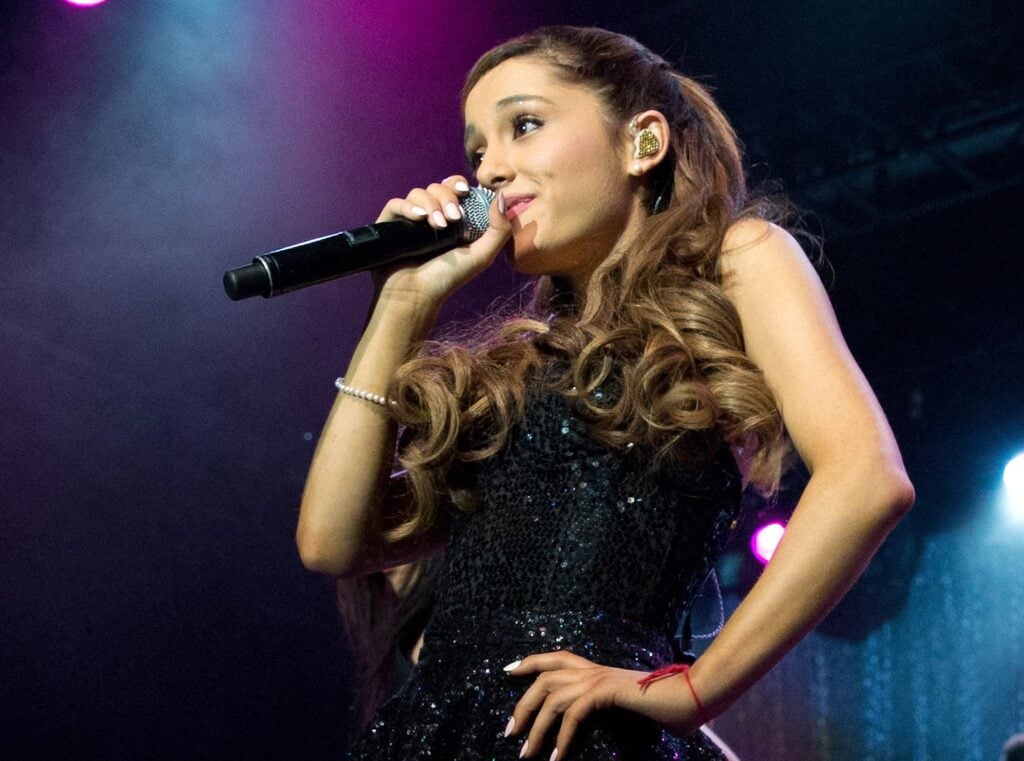
Recent conversations surrounding celebrity weight loss have once again put body image in the spotlight. Following public discussion about Ariana Grande’s appearance, along with similar commentary aimed at other high-profile stars, experts say the real concern isn’t simply celebrity bodies—it’s how constant exposure to changing beauty ideals can shape the way children see themselves.
Grande, 33, has faced criticism about her appearance for almost her entire career. The naturally petite singer and actor has recently decided to take some time off, citing the constant talk about her boy as a driving factor.
Celebrity Bodies Can Send Powerful Messages to Kids
Producer, writer and parent Corrine McDermott argues in SavvyMom that public fascination with celebrities becoming increasingly thin says as much about society as it does about the celebrities themselves. The article questions whether scrutinizing women’s bodies is helpful while acknowledging that dramatic physical changes inevitably influence young audiences who often look to celebrities as role models. As the article notes, “Women’s bodies are not public property,” while also recognizing that conversations about unrealistic beauty standards remain important.
Reporting for The Sydney Morning Herald Shona Hendley notes that celebrities appearing noticeably thinner have prompted many parents to wonder how to discuss body image with their children. Experts interviewed for the piece recommend focusing less on individual celebrities and more on helping children understand that social media, entertainment, and fashion often promote unrealistic ideals. One expert advises parents to “talk about bodies in terms of what they can do, not what they look like,” encouraging conversations that shift attention away from appearance.
Body Image Pressures Can Begin Earlier Than Many Parents Realize
Research suggests children begin absorbing cultural messages about appearance long before adolescence. A review published in the Journal of Obesity found that body dissatisfaction and unhealthy weight-control behaviors can emerge during childhood, with media exposure and appearance-focused messaging contributing to increased risk for disordered eating. The researchers conclude that prevention efforts should begin early rather than waiting until problems develop.
The same study notes that eating disorders are among the psychiatric conditions with the highest mortality rates, highlighting why early conversations about healthy body image matter. Rather than shielding children from celebrity culture entirely, experts recommend teaching them to think critically about the images and messages they consume.
Parents Can Help Build a Healthy Relationship With Body Image
According to the University of Utah Health, one of the most effective ways parents can protect children is by modeling healthy attitudes toward food and appearance. Experts recommend avoiding negative comments about your own body, emphasizing balanced eating instead of dieting, and praising children for qualities unrelated to appearance.
Parents are also encouraged to watch for warning signs such as obsessive calorie counting, skipping meals, excessive exercise, or persistent anxiety about weight. Open, judgment-free conversations can make it easier for children to share concerns before they develop into more serious eating disorders.
While celebrity weight loss trends will continue to dominate headlines, experts agree that the most influential voices in a child’s life remain the ones at home. Helping children appreciate their bodies for health, strength, and individuality—not appearance alone—can provide lasting protection against unrealistic beauty standards.

