

Hayden Panettiere’s death has reignited a painful conversation among former child actors about the price of childhood fame—and the responsibilities of parents, studios and the industry.
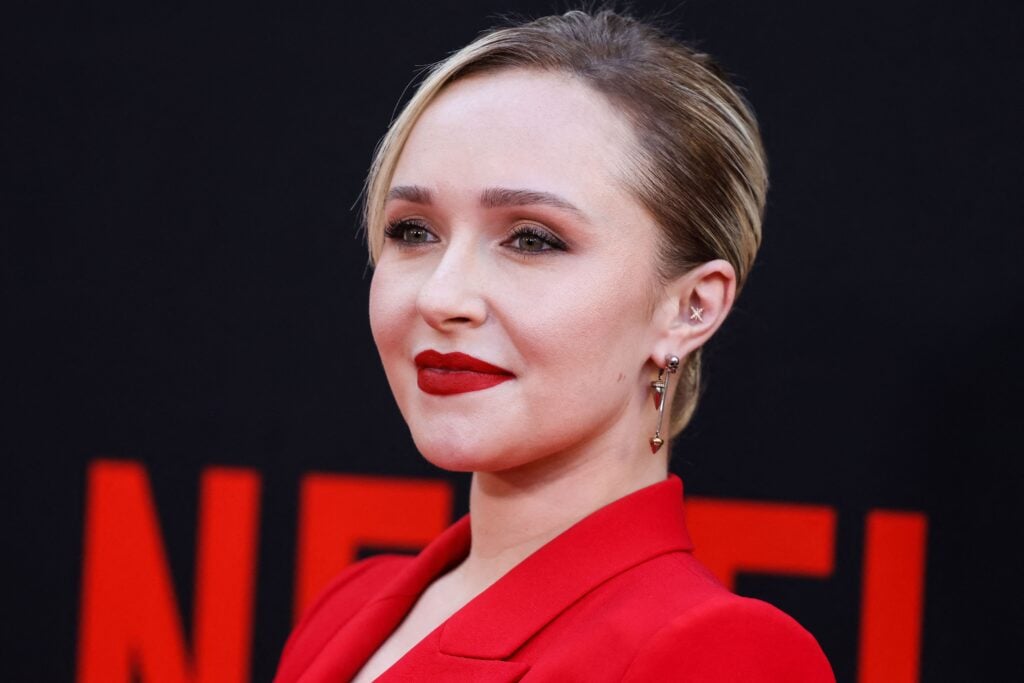
The death of Hayden Panettiere at 36 has renewed scrutiny of what happens when children grow up in Hollywood, particularly after former child star Melissa Gilbert called for major changes in the industry. Panettiere began working at just 4 years old, and her death comes after the recent losses of other former child performers including Michelle Trachtenberg and Daveigh Chase, prompting Gilbert to argue that Hollywood needs to do more than simply celebrate young talent.
Gilbert, who became famous as a child on Little House on the Prairie, has called for “real, substantive change,” including accessible mental-health support and stronger protections against exploitation. Her argument is particularly important because child actors aren’t simply employees: they are children whose careers, finances, privacy and exposure to adult pressures are largely controlled by the adults around them.
Former Child Stars Say the System Failed Them
Rose McGowan offered perhaps the starkest response, writing, “Don’t put kids in show business. None of this is normal.” Anna Paquin, who won an Oscar at 11 for The Piano, similarly argued that the entertainment industry failed to adequately protect young performers, writing that it is “not a coincidence” that so many former female child stars have experienced profoundly difficult lives and untimely deaths.
Those comments don’t prove that childhood fame caused Panettiere’s death, and it would be unfair to reduce the lives of former child stars to their careers alone. But the concerns are difficult to ignore when PEOPLE’s recent accounting includes 16 former child stars who died young, among them Panettiere, River Phoenix, Dana Plato, Gary Coleman, Aaron Carter and Jonathan Brandis.
Parents Are Part of the Protection
Parents occupy a uniquely powerful position because they are often the people who introduce children to auditions, negotiate their careers and decide whether the opportunities are worth the sacrifices. That doesn’t mean parents of child actors are responsible for everything that happens to them, but it does mean they have an enormous responsibility to prioritize the child’s wellbeing over money, fame or professional momentum.
Gilbert has specifically raised concerns about exploitation, privacy and the pressure placed on young performers, while other former child stars have called for better systems of support. The lesson for parents considering Hollywood for their children should be simple: a successful career cannot be allowed to become more important than a successful childhood.

