

Common Allergies Can Follow Kids Into the Classroom
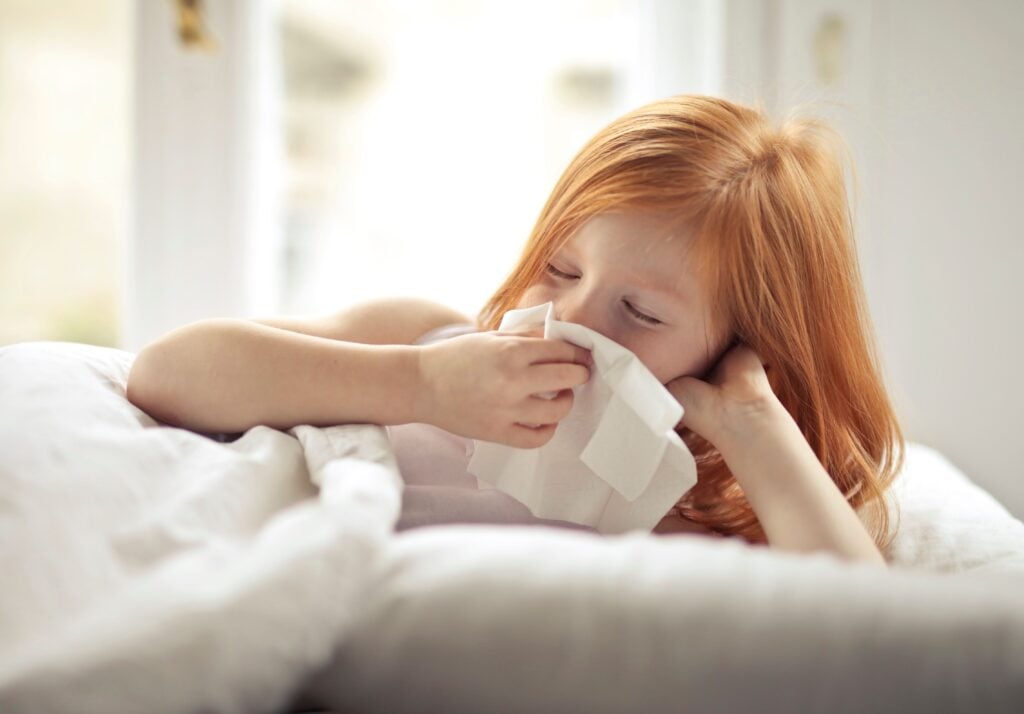
As children head back to school, parents of kids with allergies face a familiar concern: classrooms, cafeterias, playgrounds and school buses can expose children to allergens they may not encounter as frequently at home. Food allergies are among the biggest concerns, with milk, eggs, fish, peanuts and tree nuts among common triggers, while pollen, pets, dust mites, mold and insect stings can also cause reactions.
According to FindMyKids, food allergies affect approximately 6–8% of children, or roughly one in 15 kids. Symptoms can range from sneezing and rashes to stomach problems and breathing difficulties, meaning an apparently minor allergy can become a significant school-day issue.
Back-to-school preparation therefore needs to go beyond buying pencils and backpacks. Families should make sure children understand their allergies, know what foods or situations to avoid and feel comfortable telling a teacher or another trusted adult when something doesn’t feel right.
Managing Allergies at Home and School
Parents should work with their child’s healthcare provider to establish an appropriate treatment plan rather than relying on guesswork. Depending on the allergy, that can include avoidance strategies, medications or an emergency plan for severe reactions.
Communication with the school is equally important. The American College of Allergy, Asthma & Immunology (ACAAI) recommends informing the school about allergies and providing an action plan for children with asthma or severe allergies, including clear instructions about access to medication such as epinephrine.
Schools can also contain less obvious triggers, including classroom pets, dust and environmental allergens. Parents and teachers should discuss potential problem areas before the school year begins so accommodations can be made without unnecessarily limiting a child’s participation.
When an Allergy Becomes an Emergency
The most serious concern is anaphylaxis, a potentially life-threatening reaction that can interfere with breathing and cause a dangerous drop in blood pressure. ACAAI notes that peanuts, tree nuts, fish and shellfish are among the food allergies most likely to produce severe reactions.
Parents should make sure emergency medication is readily accessible and that responsible adults know how and when it should be used. Children who are old enough should also be taught to recognize their symptoms and immediately seek help rather than trying to manage a serious reaction themselves.
Preparation can make school much less stressful for everyone. As one ACAAI patient story puts it, proper allergy management can mean a child is “healthier” and able to do things they previously couldn’t.

