

What Research and Experts Say About Parents and Rest
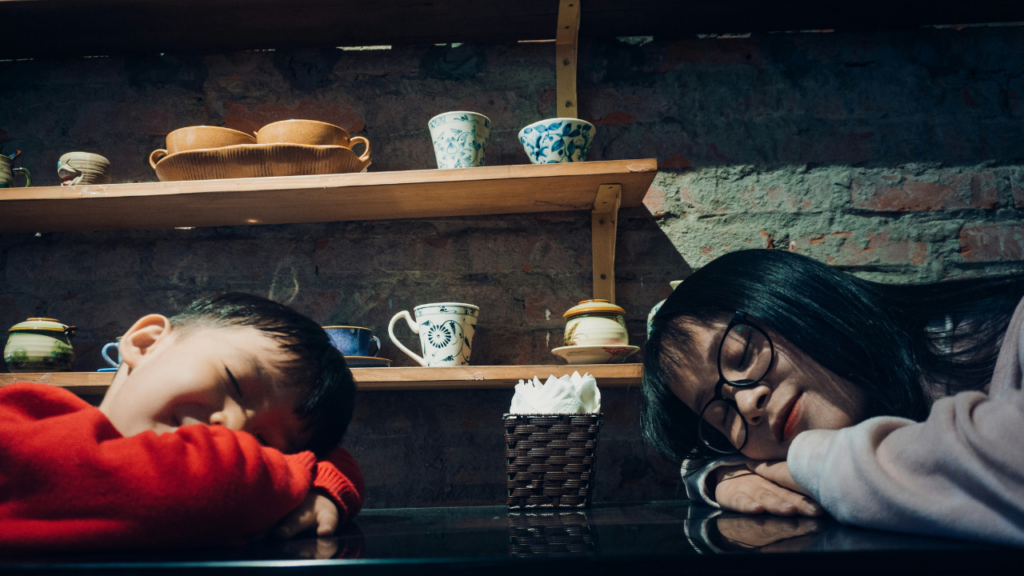
Parenting often makes rest feel like something that happens only after everything else is finished. But experts emphasize that rest is not simply a reward for completing the to-do list; it is an important part of maintaining the energy and patience parents need every day.
Rest also means more than getting a full night’s sleep. Short breaks, quiet moments, deep breathing and simply stepping away from responsibilities for a few minutes can give parents an opportunity to recharge when uninterrupted sleep isn’t realistic.
Your Zen Mama notes that chronic exhaustion can affect mood, decision-making and how overwhelming everyday challenges feel. The site describes rest as “essential,” rather than selfish, because caring for yourself can help you remain more present and engaged with your children.
Why Rest Is Important for Children
Children need rest because their bodies and brains are constantly developing. Adequate sleep gives children time to process what they have learned, supports physical health and can contribute to better moods and concentration during the day.
For children ages 7 to 12, it’s recommended that they get approximately 9 to 12 hours of sleep each night. The school also points out that tired children may have more difficulty concentrating on schoolwork and activities.
Rest can also help children understand their own emotional and physical needs. Learning that taking a break is a normal part of caring for yourself can give kids an important foundation for recognizing when they are tired, overwhelmed or simply need some quiet time.
How Parents Can Model Healthy Rest Habits
One of the simplest ways parents can teach healthy rest is by letting children actually see them doing it. Good Housekeeping argues that children learn by watching their parents, meaning they can absorb the idea that rest is normal when adults make it a visible part of everyday life.
Parents can say things such as, “I’m feeling tired, so I’m going to take a few minutes to rest,” rather than treating a break as something that requires an apology. Reading, having a quiet cup of coffee, stretching or simply sitting down can all demonstrate that productivity isn’t the only valuable use of time.
Families can also establish consistent bedtime routines, limit screens before sleep and create calm sleep environments together. As Kids2 explains, “Kids are little sponges absorbing everything you do,” making a parent’s own sleep habits an opportunity to demonstrate healthy choices.
Parents don’t need to model perfect rest habits every day. Showing children that adults sometimes need to slow down, recover and try again can be just as valuable as demonstrating a consistent routine.

