

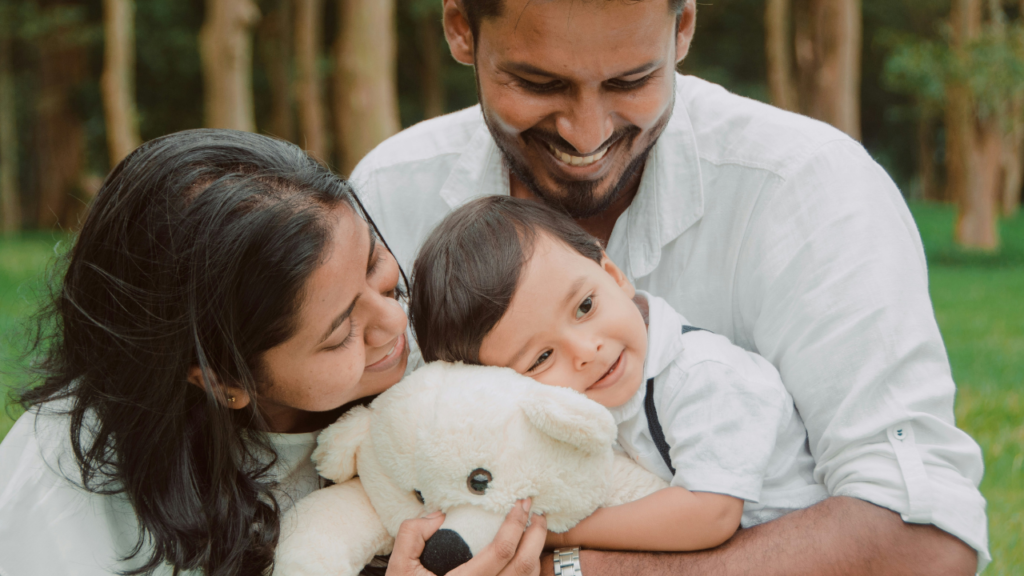
A growing number of modern households are stepping away from conventional titles like “Mom” or “Dad” in favor of using parents’ first names. Parents who embrace this non-traditional approach often view it as a way to promote equality, individuality, and open communication within the home. They feel that traditional titles create an unnecessary hierarchy, whereas using given names honors both parent and child as unique individuals.
For some families, this naming style develops organically during early childhood or during blended family transitions. Parents often share that using first names encourages children to view their caregivers as real people with personal lives, feelings, and histories beyond their parental roles. Rather than demanding respect through title authority, these parents aim to earn mutual respect through direct, personal connection.
Supporters argue that shedding rigid titles fosters an environment of candid, friend-like dialogue. As writers exploring family traditions in The Irish Times observe, “what you call your parents says a lot about your family” culture, signaling either formal structure or easygoing casualness. Ultimately, parents choose given names to cultivate an approachable, flat hierarchy at home.
Developmental Effects on Children
Using first names instead of traditional parental terms can subtly influence how children perceive family roles and authority. Developmental experts note that “Mom” and “Dad” serve as emotional anchors, providing young children with a clear sense of safety and unconditional protection. When children address parents as peers, it can occasionally blur necessary boundaries between adult responsibilities and childhood independence.
Addressing parents by their given names does not necessarily diminish love or emotional closeness, but it can shift a child’s social understanding. In public or school settings, children who use first names for caregivers may face curiosity or confusion from peers who rely on traditional labels. Navigating these external reactions encourages children to understand that every family builds its own social norms.
Social science research indicates that language directly shapes human relationships and institutional authority. As sociologists writing in The Atlantic suggest, calling parents by their first name reflects broader shifts away from traditional social hierarchies toward individualistic family structures. How children use given names depends heavily on the surrounding home environment.
Impact on Overall Family Dynamics
Dropping traditional titles inevitably reshapes the underlying authority dynamic between parents and their children. In households that prioritize egalitarian values, using first names reinforces a cooperative dynamic where decisions are discussed collaboratively rather than imposed. However, this casual dynamic can complicate situations that require firm parental boundaries, such as enforcing discipline or setting bedtimes.
In blended families or step-parenting situations, using first names often offers a comfortable middle ground that respects biological bonds while building new relationships. It allows step-children to establish warm, respectful connections without feeling pressured to reassign exclusive parental titles. This flexibility can alleviate emotional tension and help step-parents build trust at an easy, natural pace.
Maintaining healthy household dynamics relies far more on clear boundaries and consistent emotional warmth than on preferred labels. As family psychologists note in Yahoo Life, when kids don’t call you “Mom” or “Dad,” the core focus must remain on maintaining healthy communication and firm, loving support. Mutual respect and emotional security ultimately define a strong family bond.

