

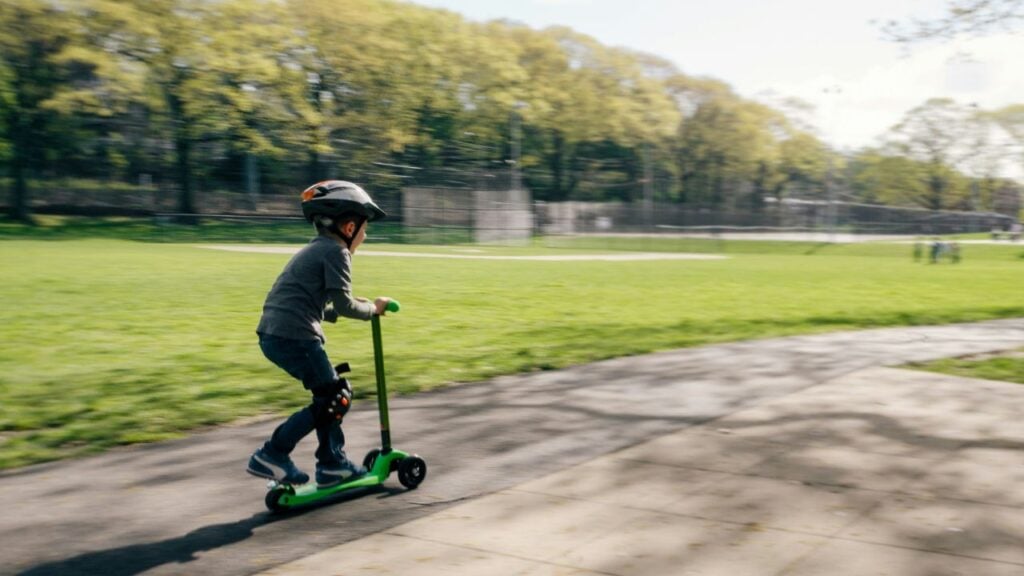
A 5-year-old boy suffered life-threatening injuries, and a 16-year-old boy had serious injuries after an electric scooter crashed into a car in Everett, Washington, authorities said.
The accident happened around 2:22 p.m. on October 23, near Center Road south of Voyager Middle School. Snohomish County Sheriff’s Office said the two children were riding electric scooters when they were hit by a vehicle traveling east, per a local outlet.
5-Year-Old Suffers Life-Threatening Injuries in E-Scooter Crash
Authorities took both children to Providence Regional Medical Centre for treatment. The driver and two young children in the car had minor injuries, local reports said.
The authorities did not say what caused the collision. Sheriff’s deputies are investigating.
The crash highlights the need for electric scooter safety, especially for young riders. The American Academy of Pediatrics(AAP) says children under 16 shouldn’t operate motorized scooters because of speed, limited riding experience, and exposure to traffic.
E-Scooter Safety Rules and Tips for Parents in the U.S.
Electric scooter laws vary across the U.S. states, and local authorities set minimum riding ages, helmet requirements, and where scooters can be used. Parents should check local laws before letting kids ride.
Here are some safety guidelines from the Consumer Product Safety Commission (CPSC) and AAP:
- Wear a helmet: Riders should wear a properly fitted bicycle helmet on every trip. Knee and elbow pads can help protect against injury.
- Check age restrictions: Age requirements differ by jurisdiction and scooter type. Parents should also follow the manufacturer’s age and weight limits. AAP advises children under 16 not to ride motorized scooters.
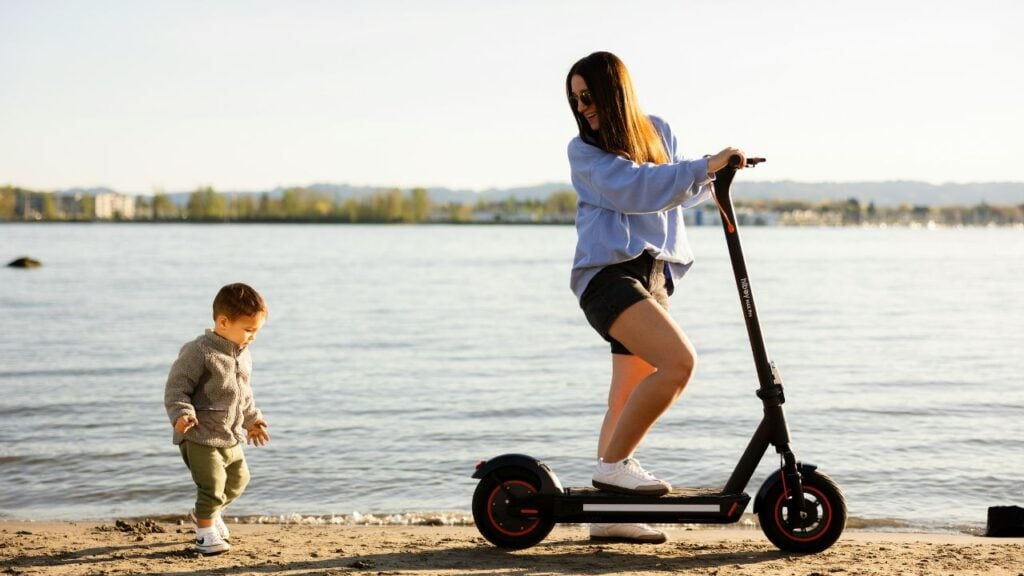
- Ride alone: Electric scooters are for one rider at a time. Carrying a passenger makes the scooter harder to control and increases the risk of injury.
- Local traffic laws: Riders must obey traffic signals, posted speed limits and rules for bike lanes, roads and sidewalks. Sidewalk restrictions vary by location.
- Check the scooter before riding: Brakes, tyres, handlebars, lights, etc., should be free from damage. Riders should know how to stop safely before entering traffic.
- Be visible: Lights and reflectors where needed, especially in low light. Riders should slow down near vehicles and pedestrians and not make sudden moves.
- Keep both hands on the handlebars: Don’t carry anything that interferes with steering. Riders shouldn’t text, use a phone, or wear headphones that block out traffic.
- Avoid busy roads and unsafe conditions: ride in areas where it is possible (not highways or other prohibited routes), and young children should not be allowed on motorized scooters until they are old enough.
- Never ride impaired: Alcohol, recreational drugs and impairing medications can affect balance, judgement and reaction time.
- Supervise children properly: Parents need to explain road safety, whether the child is developmentally ready for a riding activity, and age restrictions, not just confidence and follow them.
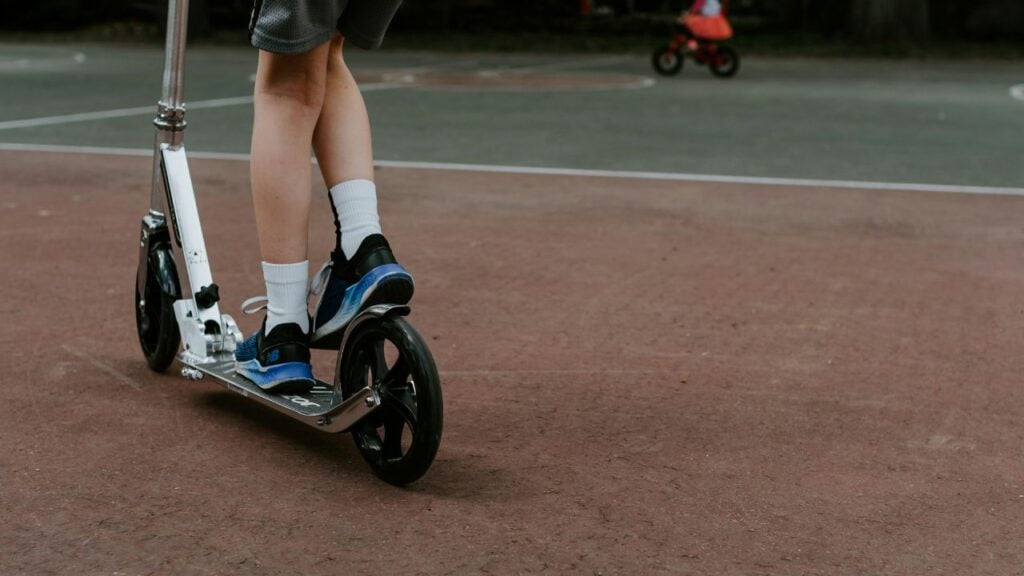
The CPSC also says riders should slow down around bumps and uneven surfaces because the small wheels on many electric scooters make them more vulnerable to sudden stops and falls.
For families, the message is to check local regulations, wear protective equipment, and choose age-appropriate activities, not motorized scooters, for young children.

