

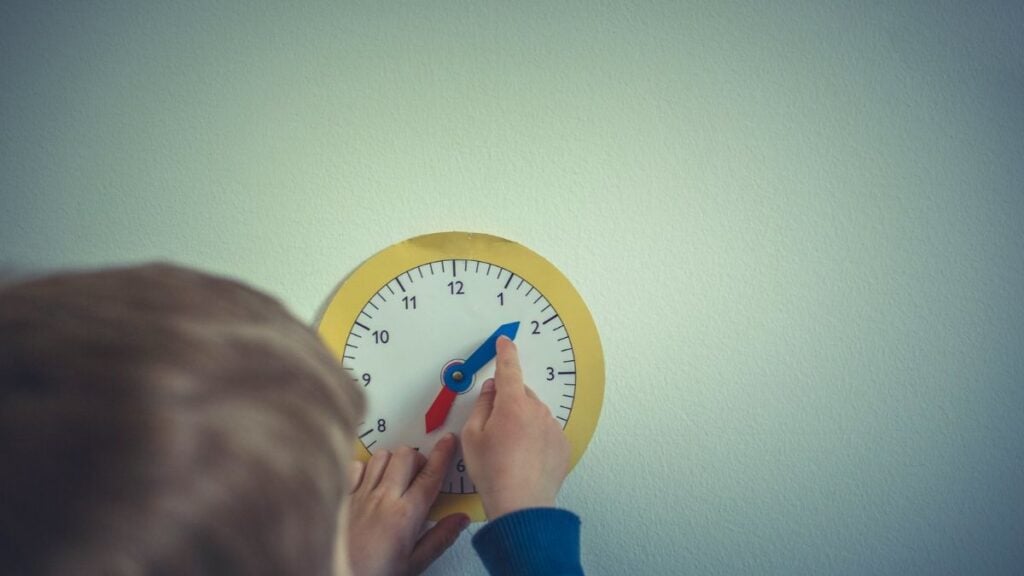
Daylight saving time ends at 2 a.m. Sunday, Nov. 1. Hours after the last trick‑or‑treaters head home. For parents, that means a candy‑fueled Saturday night followed by a clock that turns back an hour, giving children a chance for an hour of sleep.
The extra hour sounds like a gift. In practice, young children tend to wake with the sun, not what the clock says. Many families end up with risers and cranky evenings, making sleep hard to catch.
How To Start With Minor Changes for Kids to Adjust With Clock
Pediatric sleep experts generally recommend moving bedtime in steps rather than all at once. Beginning a day before the change, push bedtime and wake‑up time 10 to 15 minutes later each night.
By Sunday, the new sleep schedule will feel less like a jolt. Families who didn’t get a head start can still catch up.
Move meals, naps and bedtime later by 15 to 30 minutes for a day or two until the body clock adjusts. Most children settle in within a week, finding sleep easier.
Here are a Few Tricks To Protect the Halloween Routine
Saturday’s candy haul can be a sleep trap. Sugar and excitement make it harder for kids to settle down, so wrap up trick‑or‑treating at a reasonable hour and stick to the usual bedtime routine: bath, pajamas and a book.
Keeping things familiar helps on a night that’s anything but normal, ensuring sleep returns. Set a candy limit too. Let children pick a few favorites and put the rest out of sight.
Check How to Use Light to Your Advantage
Light tells the body when to sleep and when to wake. In the morning, open the curtains. Go outside if you can. Bright light helps reset the body’s clock.
A short walk after school can also help, as afternoon sunlight provides another signal that supports the body’s sleep-wake cycle.
As the sun goes down, dim the lights at home. Turn off screens at least an hour before bed. If the earlier sunrise is waking your child, blackout curtains can keep the room dark until a reasonable hour.
Know How Much Sleep Is Enough
The American Academy of Sleep Medicine recommends that children ages 3 to 5 get 10 to 13 hours of sleep in 24 hours, including naps.

Children ages 6 to 12 need nine to 12 hours, and teenagers ages 13 to 18 need eight to 10. Falling short can affect mood, attention and learning.
Don’t expect perfection. A few groggy mornings are normal. Keep wake‑up times steady on weekends and avoid long sleep‑ins. Be patient with your kids and with yourself while everyone adjusts to the sleep rhythm.
If a child is still struggling after two weeks, a pediatrician can help rule out issues. The change is temporary. Clocks move ahead again on March 14, 2027.

