

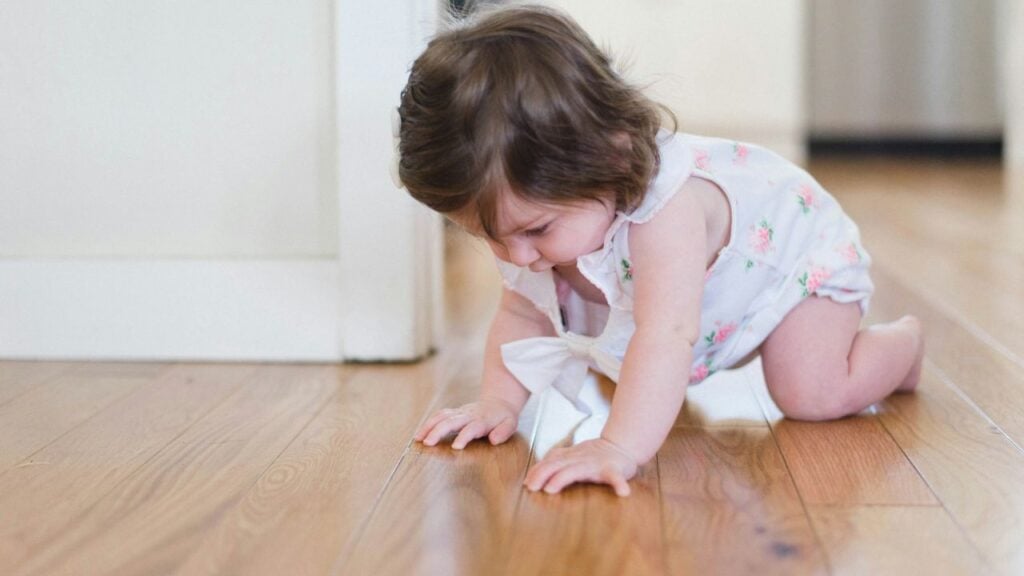
As your baby gets ready to crawl, you’ll find yourself looking around the house to make sure nothing could hurt them. Outlets, cupboards, stairs and loose furniture all become concerns.
You won’t be able to make your home completely safe, but babyproofing will go a long way to minimizing the common hazards. The right products will help, of course, but they must be used with close supervision.
Here are 7 babyproofing products to consider buying:
1. Safety Gates

Safety gates can be great for keeping babies from accessing stairs, the kitchen and other areas of the house. They’re very useful once the little ones start to crawl and pull themselves up.
Use a safety gate appropriate for the area you’re trying to secure and follow the manufacturer’s instructions. If you’re fitting one at the top of the stairs, it must be a fixed gate. Don’t use any with features that could create a climbing hazard.
2. Cabinet and Drawer Locks
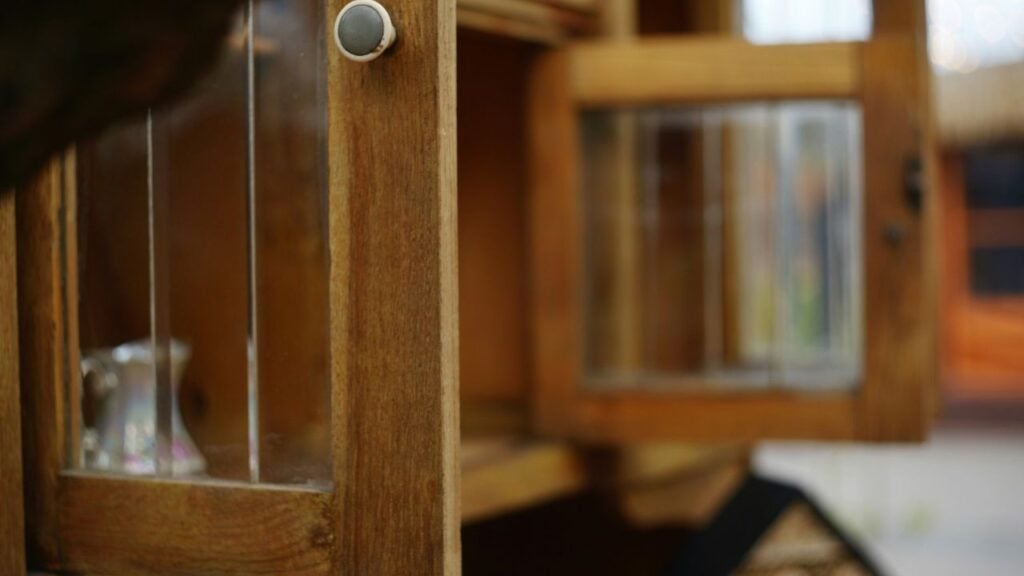
Babies are naturally inquisitive. If you have cupboards in the kitchen or bathroom, they’ll probably contain cleaning products, medicine, sharp objects and other hazardous items. Locks are a useful way of preventing your baby from opening them.
There are various types of locks you can use (adhesive, latch and magnetic), and you should apply them properly and securely to the cabinet. They’re just an additional precaution. You should still have the hazardous items well out of reach.
3. Electrical Outlet Covers

Electrical sockets can tempt babies who are beginning to explore. Outlet covers can help reduce the risk of electrical injury.
If you’re using outlet covers, make sure they fit properly and can’t be easily knocked off by your baby. Make sure any electrical leads are kept well out of reach.
4. Furniture Anchors
Babies will often pull themselves up on furniture. If you have any unsecured furniture (a dresser, bookcase, TV stand, etc.), it can easily tip over.
Use furniture anchors or anti-tip brackets to secure your furniture to the wall. Read and follow the instructions when installing them and make sure they’re securely attached. Don’t put any toys or other items that your baby might be tempted by on high shelves.
5. Corner and Edge Guards
Coffee tables, low shelves and furniture have sharp edges which can cause injury. Corner and edge protectors will provide some extra padding.
Look for corner and edge protectors that suit your furniture and are firmly fixed in place. They won’t prevent all injuries, but you should still remove any wobbly furniture and do everything you can to keep your baby’s play area as safe as possible.
6. Door Stoppers and Finger-Pinch Guards
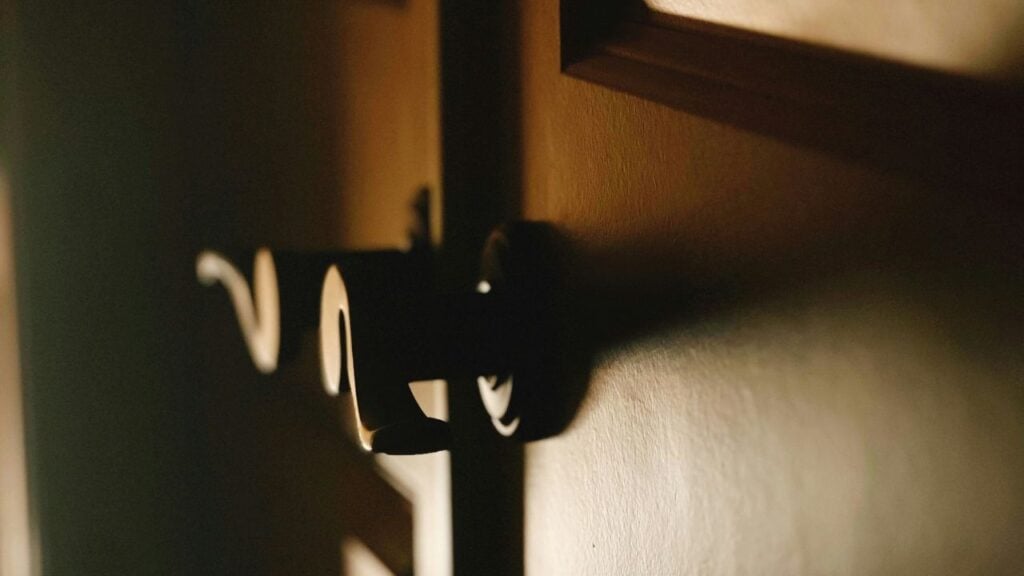
As your baby crawls from room to room, they may try to grab doors and could put their fingers against the hinges or even into the closing gap. Doorstops and finger pinch guards can help to reduce the risk of fingers getting caught.
Use products appropriate for your door type and as per the manufacturer’s instructions. Make sure the doorstops aren’t creating a choking hazard. Keep doors to unsafe areas shut.
7. Toilet Locks
The bathroom has lots of hazards for a crawling baby (cleaning products, slippery floors, an open toilet, etc.). A toilet lock can help stop your baby from lifting the toilet lid.
Make sure the toilet lock fits your toilet and stays securely in place. Keep the bathroom door shut when you’re not using it. Keep any medication and any cleaning products in a locked cabinet and out of reach.
Preparing Your Home Before Your Baby Crawls
It is easier to babyproof your home if you start before your baby becomes mobile. Go through each room and look for anything that could pose a hazard from your baby’s point of view. Check for cords, small items, wobbly furniture, sharp edges and items that could be pulled down.
Use babyproofing products to address specific hazards, but make sure they are fitted correctly and checked regularly. Remember, no babyproofing product can ever replace the need for adult supervision.

