

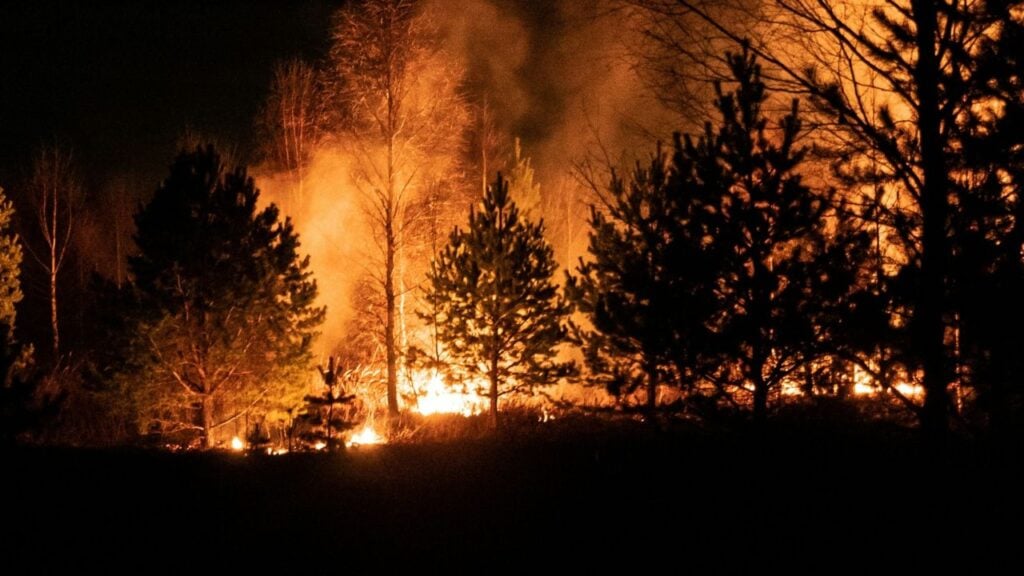
Children across the U.S. are spending far more school days in wildfire smoke than they did less than two decades ago and the buildings meant to shelter them don’t always keep the pollution out, per a new study.
Researchers at Oregon State University analyzed national air quality data from 2006 through 2023 for more than 100,000 schools and 130,000 child care centers. The findings appear in the journal Environmental Research.
The average number of smoke days at public schools rose from 6.8 a year in 2006 to 54.4 in 2023. Child care centers saw an even sharper increase, from 9.4 days to 112.2 days a year, per reports.
Why Children Are Vulnerable

The jump is not due to more fires. The number of wildfires in the U.S. has held steady at about 70,000 a year, but they have become more intense. Wildfires now account for nearly half of all fine particle pollution nationwide.
Wildfire smoke carries PM2.5, fine particles small enough to reach deep into the lungs and enter the bloodstream. The pollution has been linked to respiratory illness and cardiovascular disease.

Reportedly, children face a higher risk than adults. Molly Kile, an environmental epidemiologist at Oregon State and a co-author of the study, said kids breathe in more air per pound of body weight.
Smoke is also not just a Western problem. It can travel thousands of miles and Kile said lingering smoke affects communities across the country.
The study found that rural schools and those serving low-income students had more smoke days than urban and higher-income schools.
Why Indoor Protection Is Important From Air Pollution

To test how well buildings hold up, researchers compared indoor and outdoor air quality at 71 West Coast schools and child care centers. On smoke days, some schools had higher indoor PM2.5 levels than monitors just outside.
Stephanie Foster, the study’s corresponding author at Samaritan Health Services in Corvallis, Oregon, said the buildings where children spend much of their day do not consistently protect them from air pollution.
Since students and young children spend so many hours in these daycares, she said, indoor air quality there matters a great deal.
What Can Be Done
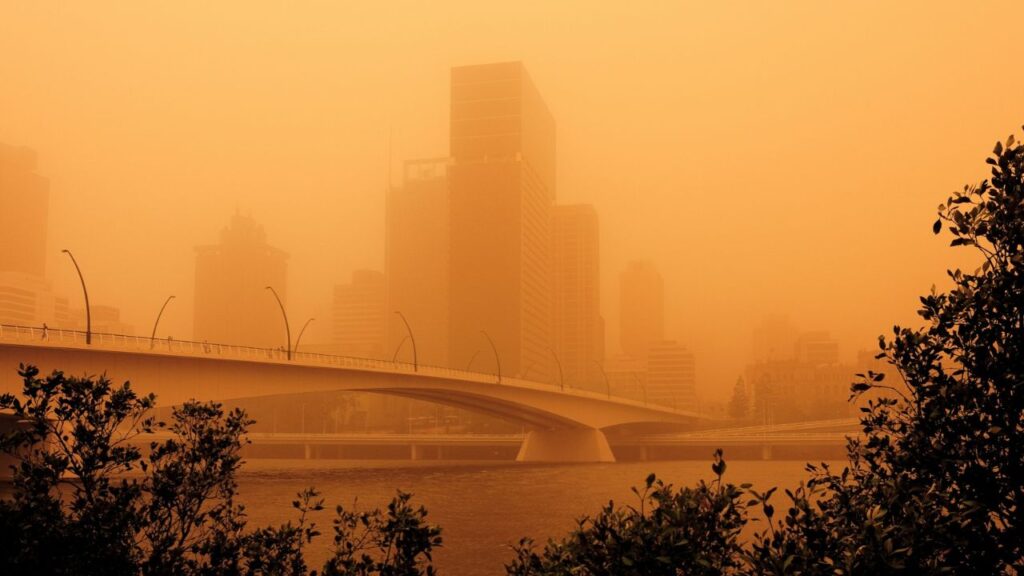
The authors point to better ventilation, portable HEPA filters, indoor air monitoring and preparedness plans. They also recommend changing outdoor activities during smoke events.
Kile called the problem solvable, as long as schools and child care operators have the money to install or upgrade air purification and HVAC systems.
This could, however, be a challenge for the rural and low-income schools the study found were hit hardest.
The researchers said the findings underscore a need for investment as wildfire seasons grow longer and more severe.

