

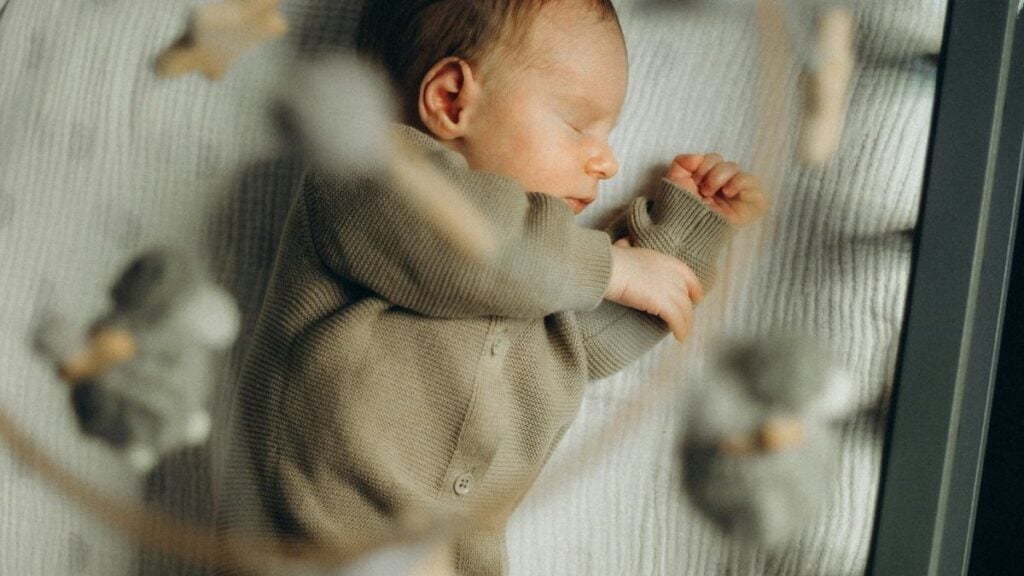
Wisconsin health officials are raising concerns about infant sleep safety after more than one-third of mothers in the state reported sharing a bed with their babies.
The Wisconsin Department of Health Services issued the warning during Infant Safe Sleep Awareness Month, urging families to follow safer sleep practices to reduce the risk of sleep-related infant deaths.
Why Bed Sharing Is Risky?
Sleeping in the same bed as a baby can increase the risk of sudden unexpected infant death, health officials said.
It can also lead to suffocation and accidental strangulation, dangers that can occur quickly and silently.
Officials emphasized that the warning was not intended to shame parents. Many are exhausted and simply trying to ensure that everyone in the household gets some rest, they added.
The department stressed that its goal was to help families understand the risks and learn about safer sleep options.
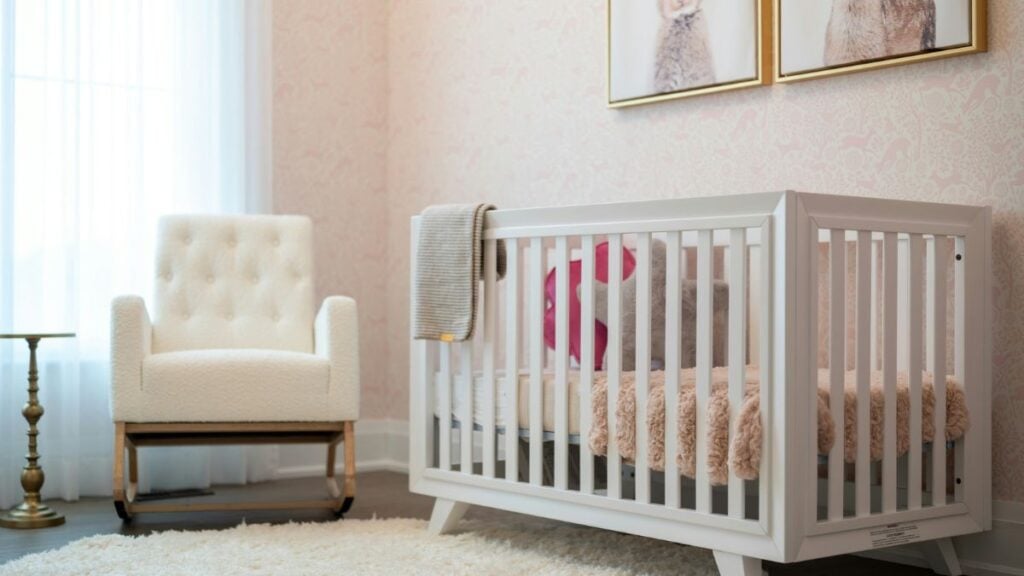
Pediatricians recommend following a simple formula for safe infant sleep: the ABCs. Babies should sleep alone, on their backs and in a crib or pack-and-play that meets current safety standards.
Experts also advise keeping the sleep space clear of pillows, blankets, bumper pads and stuffed animals, as these items can obstruct a baby’s airway and increase the risk of suffocation
Know Why Room-Sharing Preferred Over Bed- Sharing
Experts recommend room-sharing as a safer alternative to bed-sharing. This involves keeping the baby’s crib or pack-and-play in the parents’ bedroom, close enough to make feeding and comforting easier.
Health officials also warned parents against falling asleep with a baby on a couch or in a chair, noting that these surfaces can pose an even greater risk than adult beds.
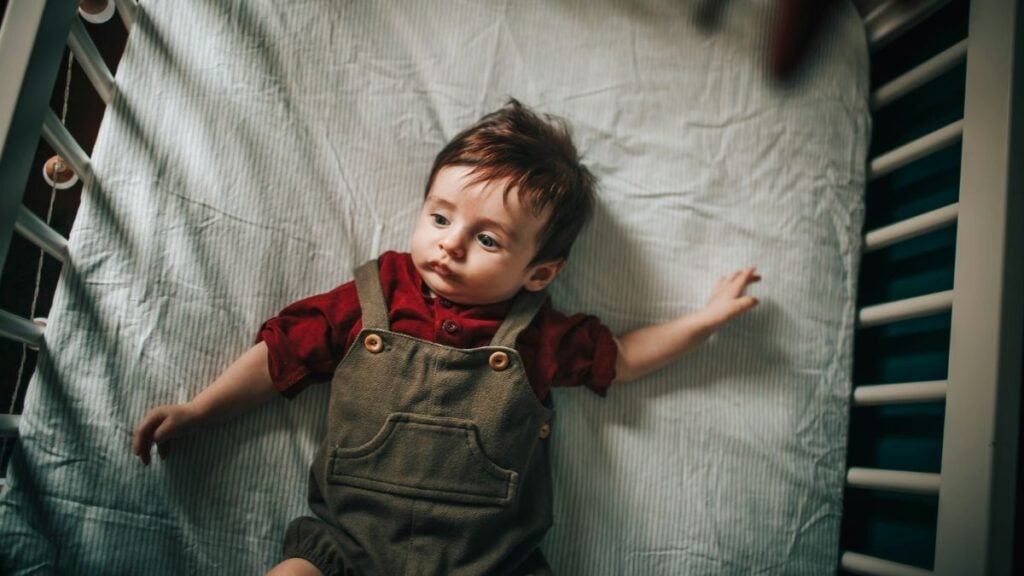
Even small changes can make a difference, officials said. Returning a baby to the crib after feeding, for example, can help reduce sleep-related risks.
Officials also warned that exhaustion can cause parents to fall asleep unintentionally.
Parents planning to feed their babies during the night can reduce risks by preparing the crib in advance and asking another adult for help if they feel drowsy.
Help Available for Safe Cribs
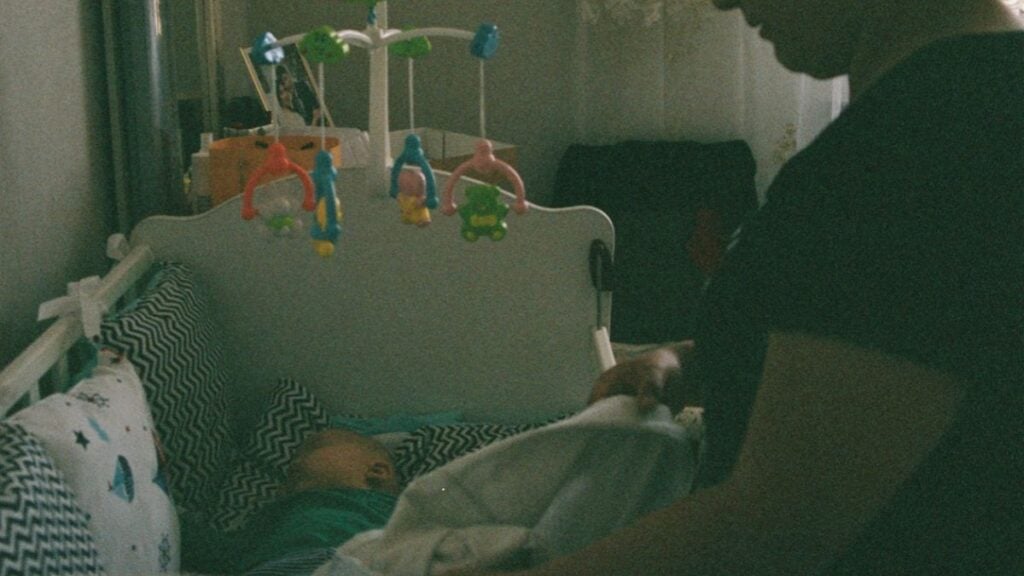
Not every family can afford a safe place for a baby to sleep. Parents who need help getting a crib or pack-and-play can access programs through the Department of Health Services.
Health officials encouraged families to reach out if cost is a barrier. A safe sleep space, they say, is one of the simplest ways to protect a newborn.

