

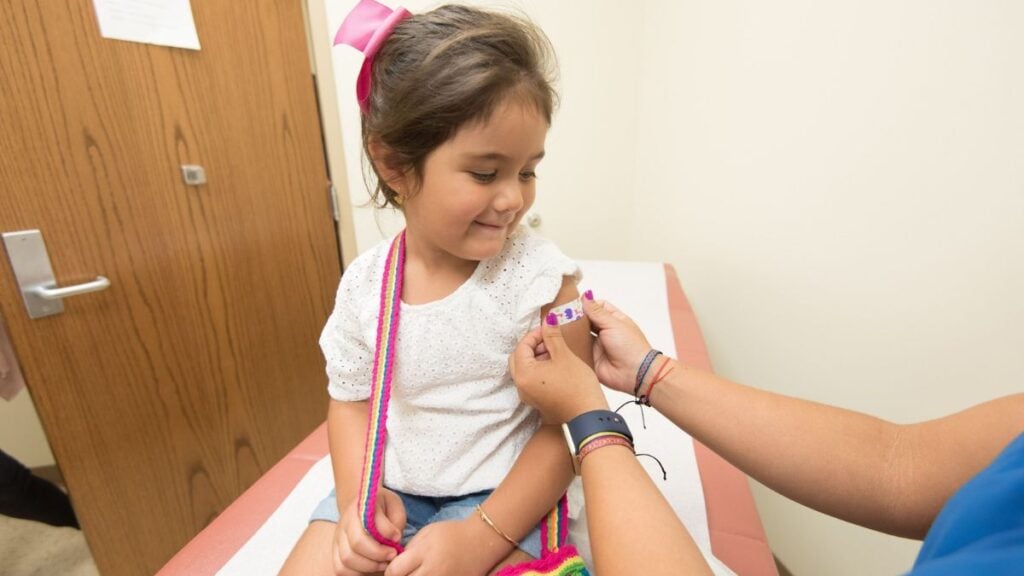
Children were more than twice as likely to start and complete the HPV vaccine series when their pediatric practices began recommending it at ages 9 and 10 rather than 11 and 12.
Earlier studies had linked early vaccination to better completion rates. However, those studies could not establish whether starting the series earlier was responsible for the improvement. The new trial was designed to answer that question.
Researchers assigned 31 pediatric practices in Colorado and California to one of two groups. Sixteen practices, with 106 clinicians, began recommending the vaccine at ages 9 and 10. The other 15 practices, with 112 clinicians, kept to the usual schedule of ages 11 and 12.
The study covered more than 62,000 children and teens who visited the practices between 2021 and 2026. Overall, 28 percent of patients ages 9 to 13 were up to date on HPV vaccination, per reports.
Children Recommended to Receive HPV Vaccine Earlier Were More Likely to Complete the Series

After adjusting for other factors, patients at practices that moved the recommendation earlier were about two and a half times as likely to start the series.
They were nearly three times as likely to finish it. Children at those practices also completed the series about a year earlier, on average.
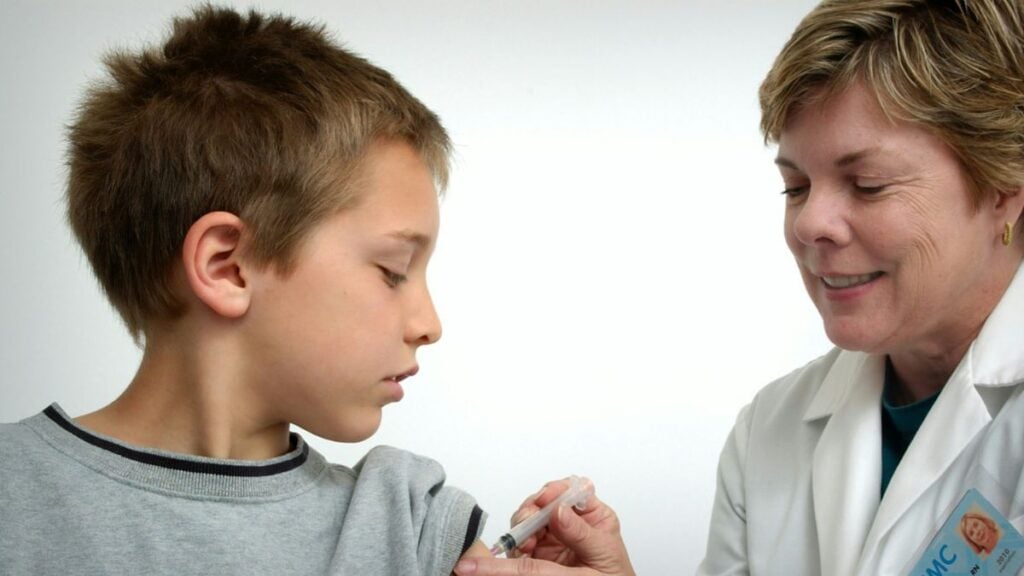
Researcher O’Leary said the earlier start produced gains in both starting and finishing the series that were statistically significant and clinically meaningful.
The team also checked whether the earlier push crowded out other care. Well-child visits at ages 11 and 12 were similar in both groups, as were receipt of the meningococcal and Tdap vaccines by age 13.
Why the Timing of the Vaccine Matters
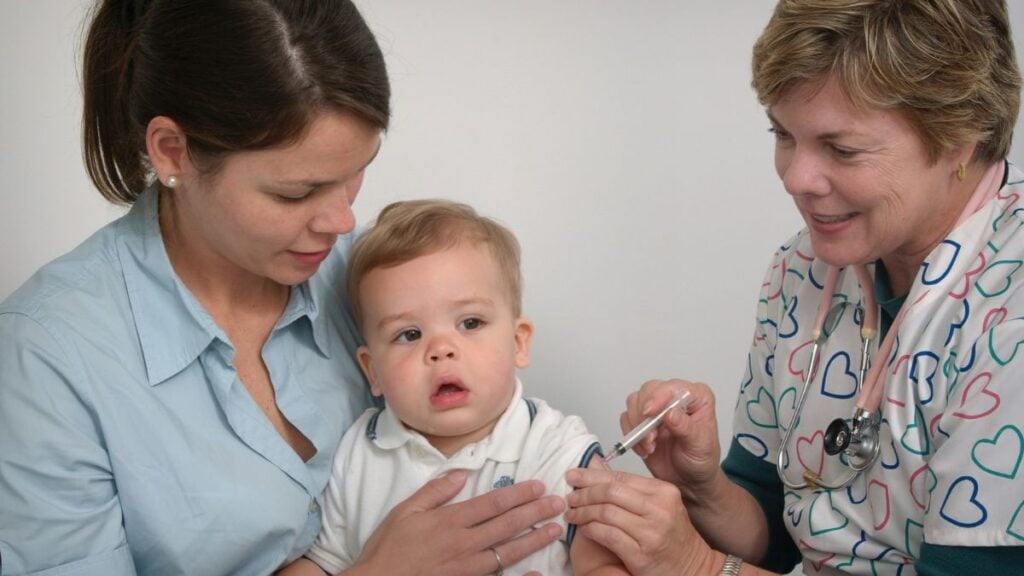
Federal advisers currently recommend routine HPV vaccination at ages 11 and 12, although the shots can begin as early as 9.
The Centers for Disease Control and Prevention says HPV vaccination can prevent more than 90 percent of cancers caused by the virus. However, many teens have not completed the recommended vaccine series.
The vaccine works best when given before a person is exposed to the virus, which can spread through intimate skin-to-skin contact.
Starting at 9 or 10 also leaves more time to finish the two-dose series, with shots spaced six to 12 months apart, before a child turns 13.
O’Leary suggested that clinicians who now begin the conversation at age 11 or later consider moving it earlier. He also said policymakers should consider a preferential recommendation for starting at ages 9 or 10.

