

Halloween and Mischief Night are often associated with harmless pranks, but what happens when teenagers take things too far? Recent incidents involving property damage and disorderly conduct have sparked debate about parents who defend their children’s behavior rather than accepting responsibility and cooperating with police.
For some parents, Halloween mischief is simply part of growing up. They may remember their own childhood pranks and believe that teenagers throwing eggs, playing practical jokes or causing minor disturbances are participating in harmless seasonal traditions.
That attitude was on display in Monmouth Beach, New Jersey, where police responded to multiple reports of disorderly conduct, criminal mischief and property damage on Mischief Night, October 30, 2026. According to police, some parents summoned to headquarters to collect their children attempted to excuse the behavior as “just Mischief Night.”
Officers pushed back, emphasizing that seasonal traditions do not excuse vandalism or destruction of property. The department warned that it intended to review security footage and pursue formal charges against those responsible.
How Responsible Are Parents for Their Children’s Behavior?
Parents have an important role in teaching children accountability, but that doesn’t necessarily mean they are legally responsible for everything their children do. Laws differ depending on where a family lives, the child’s age and the circumstances surrounding the incident.
According to developmental psychologist Colleen Sbeglia, who studies parental responsibility laws, “Parents are important: They can try to do as much as they can and should be involved as much as they can.” However, she notes that teenagers become increasingly independent, making it difficult to hold parents legally responsible for every decision their children make.
In the United States, parents can face financial responsibility when children damage property or injure someone. Criminal liability is a different matter, generally requiring evidence of parental negligence rather than simply proving that a child misbehaved.
What Parents Should Do When Police Want to Talk About Their Kids
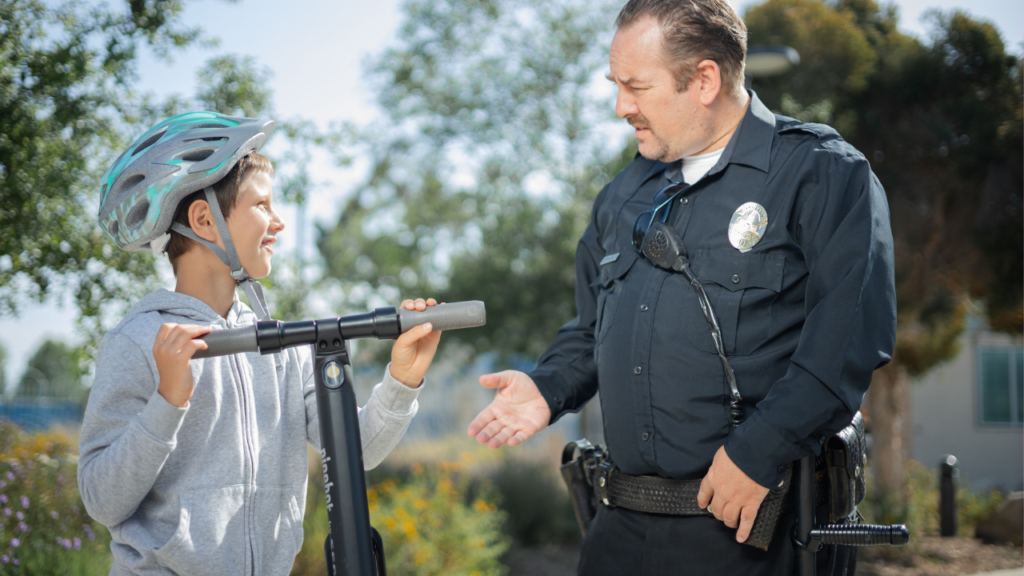
If police contact parents about their children’s Halloween behavior, the first step should be to take the situation seriously. Rather than dismissing the incident or immediately defending their child, parents should find out what happened, understand whether anyone was injured or property was damaged, and establish what police expect from the family.
Parents should also remember that supporting their children doesn’t mean allowing them to answer potentially serious legal questions without understanding their rights. In Ontario, the Youth Criminal Justice Act provides special protections for young people aged 12 to 17, including the right to legal advice and parental involvement during police questioning.
Justice for Children and Youth advises young people that “The most important piece of advice that a lawyer will give you is to not make statements to the police.” Parents should seek legal advice if their child is suspected of an offence and ensure they understand the situation before any formal statement is made.
Ultimately, parents can help their children learn from Halloween misbehavior by acknowledging the consequences, apologizing when appropriate and making restitution for damage. Halloween should be fun, but teaching children that their actions affect other people is a much more valuable lesson than defending every prank.

