

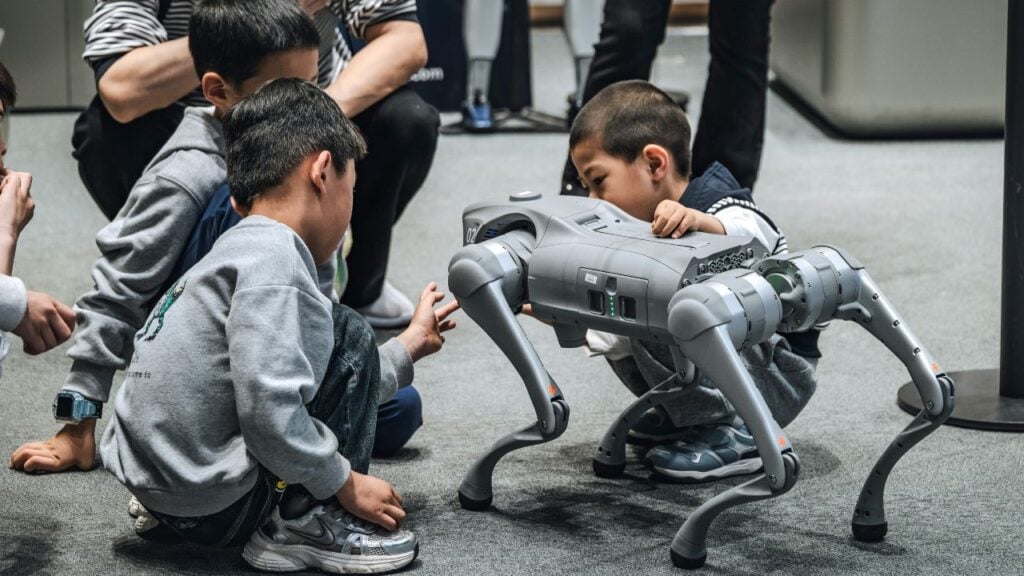
AI toys or smart toys are changing how children interact with toys. Some soft toys and robots use internet-connected chatbots to answer questions, tell stories and respond to a child’s voice.
While this may sound exciting, concerns may arise about your child’s privacy, data collection and emotional development. Before purchasing an AI toy, parents should consider what information it can access, how it will respond and whether it is appropriate for your child’s age, per pediatric experts.
What Makes an AI-Powered Toy Different?
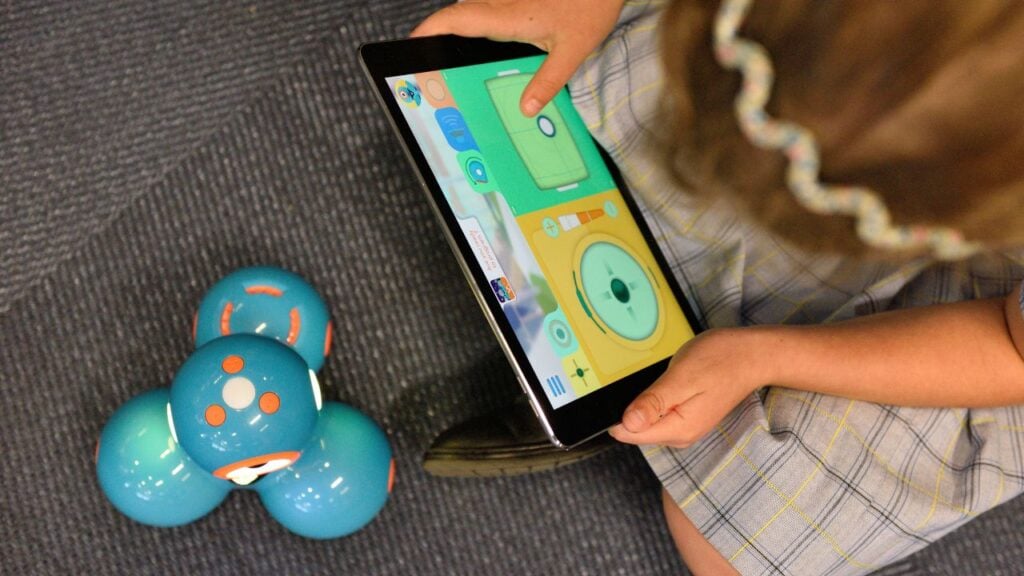
Most electronic toys will follow a set of programmed rules. However, AI toys can use language models to respond. Some toys can have long conversations, store information from previous conversations and provide responses that make it feel like a friend.
These may be marketed as educational tools to encourage curiosity, improve language skills and build problem-solving skills. However, parents should consider what the technology can actually offer.
Check the Privacy Policy Before Buying
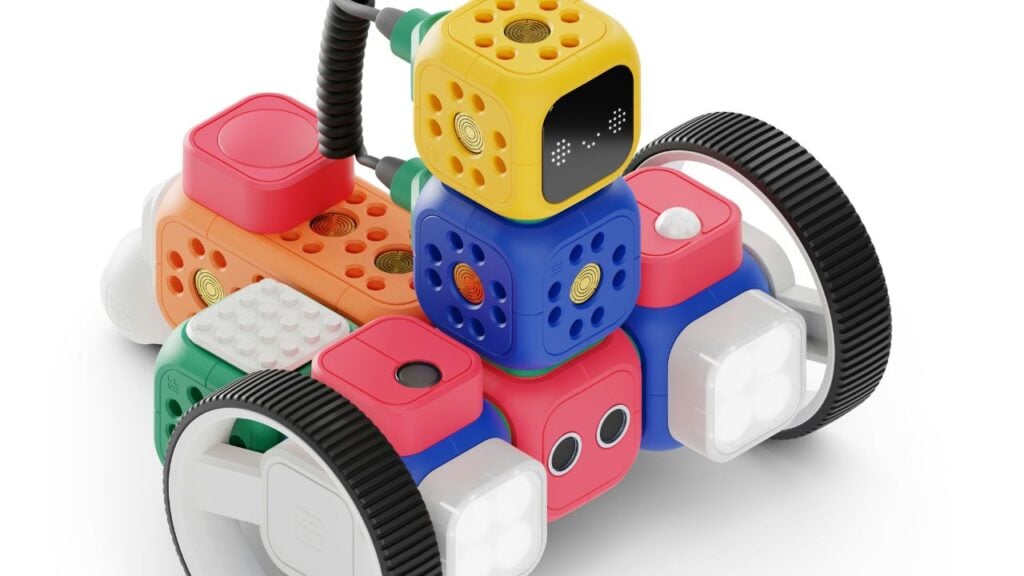
Many AI toys will require a microphone and internet connection. Some may also ask for information during account creation, such as the child’s name, age and other details provided by the parent.
Depending on the company, it may collect different amounts of information. Parents should check whether the company stores any audio or written information, shares it with other services and uses it to improve its AI.
Although it may look like a regular soft toy, it may contain technology that can listen to conversations in the home. Parents should consider when the microphone is active.
Could AI Toys Affect Children’s Social Development?
Children may start to see AI toys as friends rather than toys. Because the toy can respond instantly and seem to listen, younger children may become emotionally attached. This can cause issues if the child becomes too reliant on the toy for comfort, advice or friendship.
Although children can use the AI to practice their vocabulary, learn about new topics and create stories, it cannot replace real-life conversations. Children should learn to handle disagreements, see things from different perspectives and become empathetic through real-life experiences.
What Parents Should Do Before Bringing an AI Toy Home
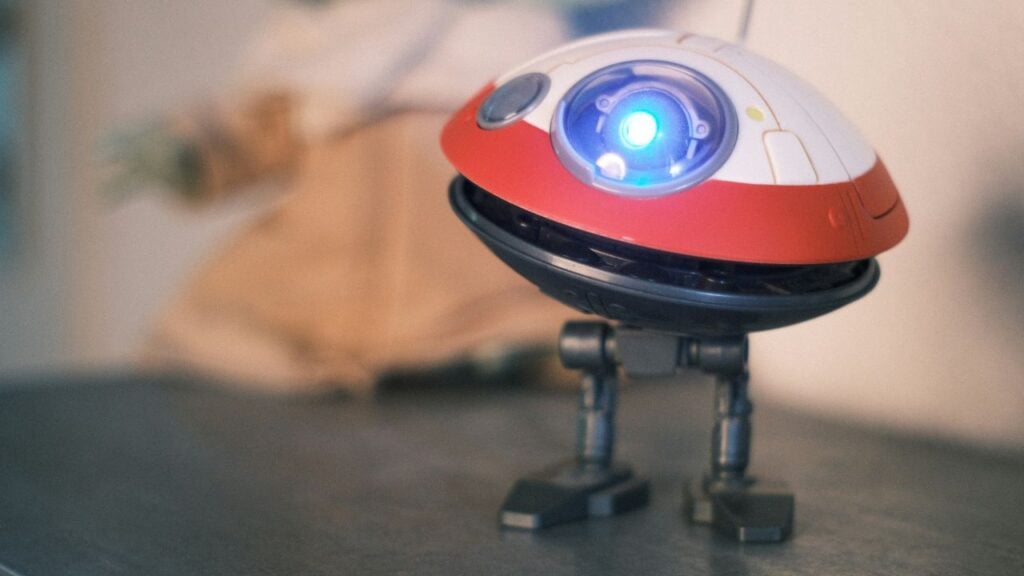
If a family is considering an AI-powered toy, a few precautions can help reduce potential risks.
- Check what information the toy collects, how long it stores it and whether it shares it with other companies.
- Look for options to review or delete data, disable features and manage microphone access.
- Test its responses before allowing a young child to use it independently.
- Avoid placing internet-connected toys in children’s bedrooms, where conversations may happen without adult supervision.
- Explain that the toy is not a real person and children should not share private information with it.
- Set reasonable playtime limits and make sure the toy does not replace reading, outdoor activities or time with family and friends.
AI-powered toys may offer a new kind of play, but their interactive features deserve closer attention than those of ordinary toys. Parents should weigh the benefits against privacy and developmental concerns before deciding whether one belongs in their child’s toy collection.

