

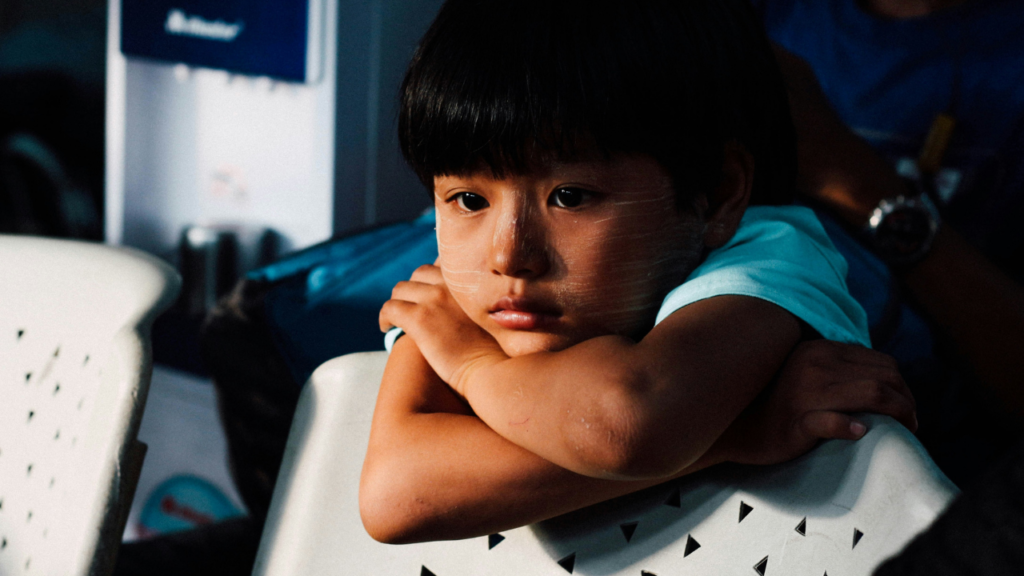
Parents want their children to grow up feeling confident, loved and comfortable being themselves. However, the way adults respond to childhood mistakes, difficult emotions and challenging behavior can sometimes leave children feeling ashamed rather than supported. Understanding how shame affects kids, and learning how to avoid passing unhealthy patterns from one generation to the next, can make a significant difference in a child’s emotional development.
Shame is a powerful emotion because it makes children feel that something is wrong with who they are, rather than simply recognizing that they made a mistake. Unlike guilt, which focuses on an action, shame can make children question their worth and whether they are accepted by the people they love.
Children are particularly vulnerable because they are still developing their identities and learning how to process complicated emotions. According to the Institute of Child Psychology, shame can sometimes disguise itself as defiance, anger, arguing or refusing to cooperate.
Children who are frequently criticized, compared with siblings or made to feel embarrassed about their behavior may begin believing they aren’t good enough. Even seemingly harmless comments from parents can leave lasting emotional impressions.
How Shame Affects Children
When children regularly experience shame, it can negatively affect their self-esteem, confidence and relationships. Rather than learning from mistakes, they may become afraid of making them, worry excessively about disappointing others or struggle to believe in their own abilities.
Helping children understand and process shame is important for their emotional well-being. Unaddressed shame can contribute to negative self-talk, social withdrawal and difficulty expressing feelings.
The effects can also show up through behavioral changes. Children experiencing shame may become aggressive, overly competitive, anxious or unusually sensitive to criticism, sometimes hiding their insecurities behind an outwardly confident personality.
How Parents Can Break Shame Cycles With Their Kids
One of the most important things parents can do is separate their child’s behavior from their identity. Instead of saying, “You’re bad,” or “What’s wrong with you?” parents can explain why a particular action was inappropriate while reassuring their child that they are still loved.
According to The Peaceful Parent Institute, “Shame leads to aggression, aggression leads to shame, let’s break the cycle by committing to not shame.” Parents should focus on setting boundaries without humiliating, criticizing or embarrassing their children.
It’s also important to apologize when parents get things wrong. Listening to children’s feelings, acknowledging hurtful words and repairing emotional connections can help children understand that mistakes don’t make them unworthy of love.
Ultimately, parents cannot prevent every experience of shame, but they can create a home where children feel safe discussing difficult emotions. Breaking the cycle starts with treating children with empathy, respect and unconditional love.

