

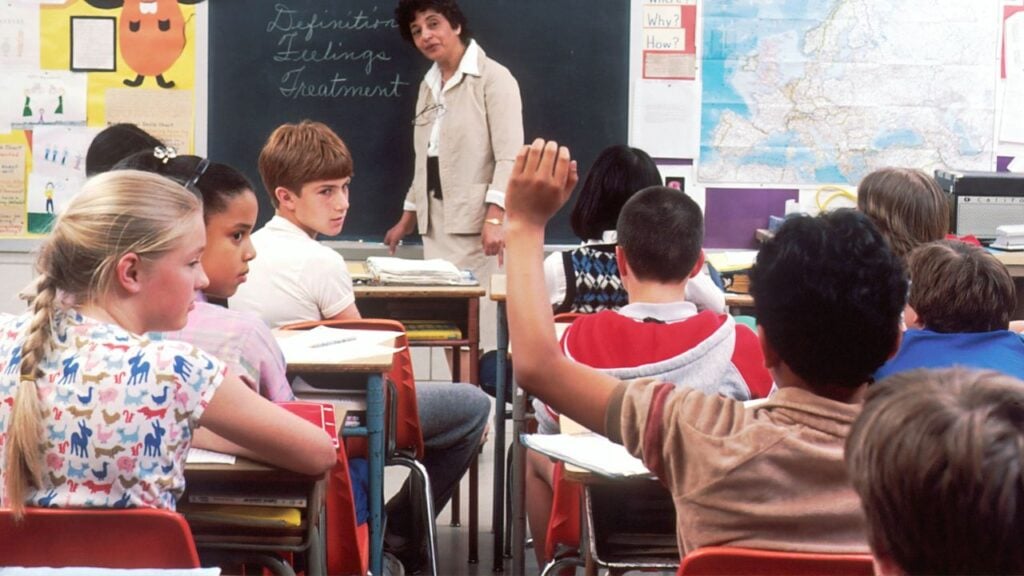
A South Carolina mother has questioned her daughter’s elementary school after discovering an AI-generated image showing the 6-year-old as a 25-year-old nurse. Per The Washington Post, Nikki Anderson raised concerns about whether parents had consented to their children’s photographs being used with artificial intelligence.
The image was part of a classroom assignment that asked first-graders to imagine their future careers. Anderson’s daughter, Harper, had already completed her own artwork before receiving the computer-generated version.
Anderson later contacted school officials seeking information about the technology used for the project. Her concerns also prompted an online discussion, with parents divided over whether the activity raised privacy issues.
A Classroom Project Takes an Unexpected Turn

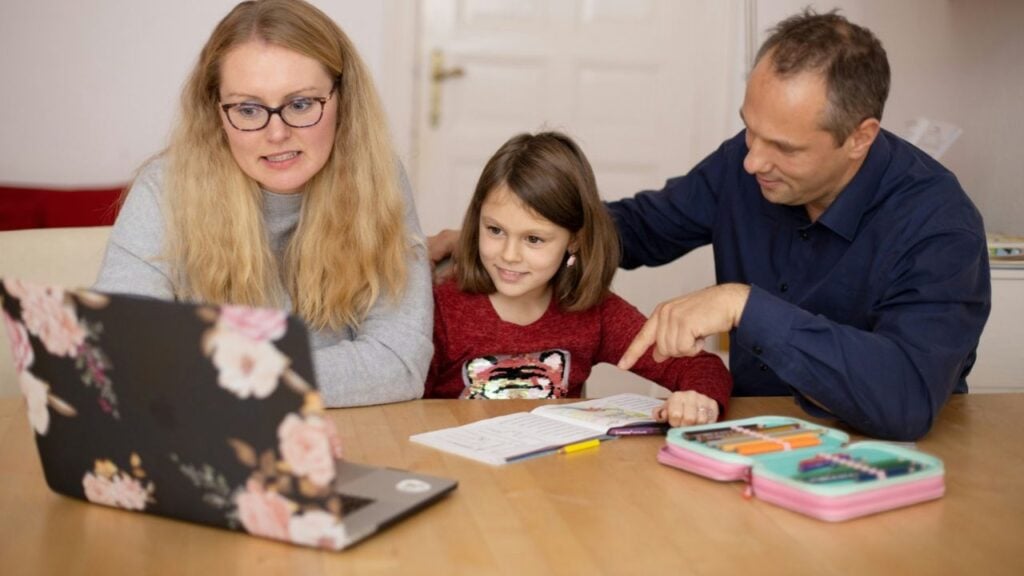
The situation began on a Friday evening in October 2026 when Anderson, 32, was reviewing schoolwork with her husband and daughter at their South Carolina home.
Harper had chosen nursing as her future profession and created a portrait using construction paper. Among the assignments she brought home was another image depicting what she might look like at age 25, dressed as a nurse.
Anderson questioned whether a teacher had uploaded her daughter’s photograph to an AI platform to produce the picture. “My initial reaction was — Am I allowed to be grossed out about this? I am grossed out about this,” Anderson recalled.
Harper, however, reacted differently. She liked the generated picture, particularly the straight and wavy hair it showed. The child expressed hope that she would look as beautiful as the image when she grew older, although she understood it was only a prediction.
Her response introduced another concern for Anderson about the influence of computer-generated appearances on young children. The mother also questioned the educational purpose of producing an AI image when students had already been encouraged to imagine their futures through their own artwork.
“6-year-olds are already creative. They’re already innovative. They’re already capable of imagining futures that adults couldn’t possibly predict. Why are we outsourcing that?” she asked.
Mother Sought Answers About Consent and Image Storage
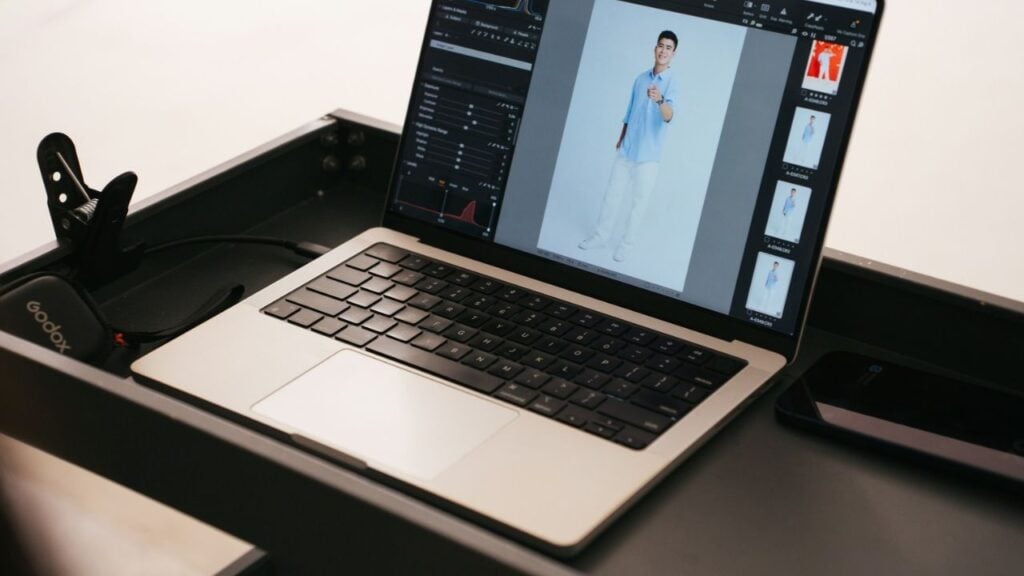
Anderson’s questions extended beyond the classroom exercise. She wanted to establish which AI software had been used, whether an outside company operated it and what happened to the children’s photographs afterward.
“What software was used? Was it an outside platform? What happens to those pictures after? Did any of us actually consent to that?” she asked.
Anderson subsequently contacted school administrators seeking clarification. She also shared her concerns on social media, where the incident attracted responses from other parents.
Some supported her questions about student privacy. Others considered the AI-generated portrait a harmless addition to the classroom assignment.
Anderson acknowledged that those involved might not have intended any harm. She also emphasized that responsibility for navigating unfamiliar technology should not rest entirely with teachers.
At the time of her comments, Anderson said she was still awaiting responses from the school principal and school board members. She called for meaningful safeguards governing AI use in schools, particularly when children’s photographs are involved.

