


Most parents don’t want an AI therapist treating their child, a new survey from Boston Children’s Hospital researchers has found.
The study, published on November 2, asked 572 U.S. parents of kids aged 5 to 17 how they’d feel about an AI-led therapy session for their child.
Nearly half, about 47 percent, said they would not be comfortable at all. Another 29 percent said not too comfortable. Only 8 percent said very comfortable and 16 percent said somewhat.
Why Kids Turn To AI Chatbots For Mental Health Advice?
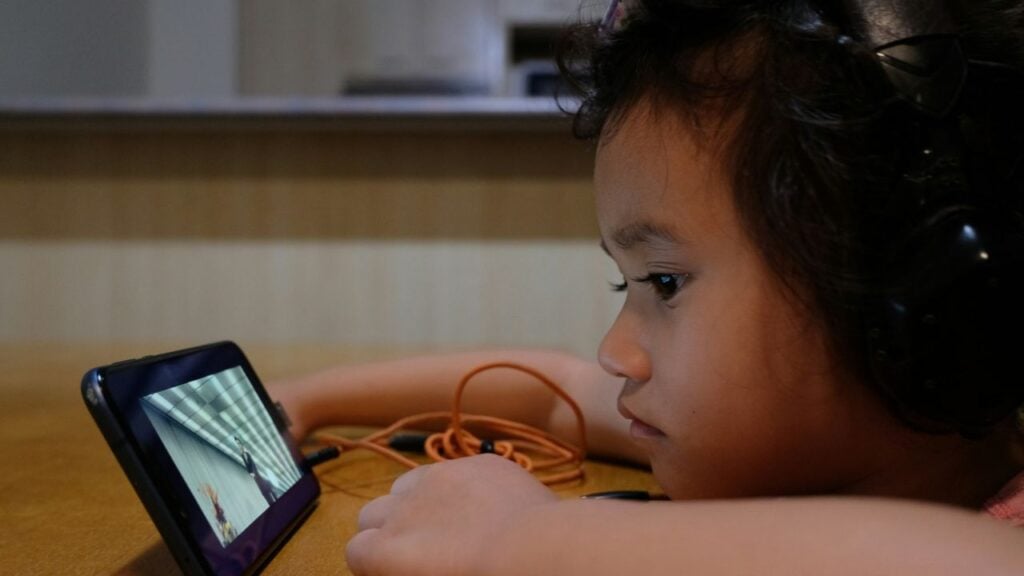
Child therapists are hard to find, and families often wait months. That shortage is a big reason AI tools are getting attention, the researchers said.
Kids aren’t waiting for permission, either. In a 2025 national survey, 19.2 percent of young people aged 12 to 21 said they had turned to AI chatbots for mental health advice, often without telling a parent or doctor.
What Parents Worry About

Parents were asked what would matter most if they were weighing it. Getting the diagnosis right came first, at 58.5 percent. Empathy was next at 49.4 percent. A doctor’s recommendation 46.8 percent and privacy 43.7 percent were close behind.
Money and convenience counted for less. Cost, scheduling and wait times each drew roughly 28 to 33 percent. A faster appointment, in other words, didn’t win parents over.
Who Was Doing Better- Parents With Or Without AI Chatbot

Parents who would try AI therapy themselves were far more willing to let it treat their kids. So were those who thought AI would do as well as, or better than, a human clinician.
About half expected it to do worse. Parents of children who had been in therapy during the past year were also more comfortable.
Everyday AI use made no difference, though. Parents and kids who use chatbots regularly weren’t any more comfortable than those who don’t.
The survey was run online in November 2025, and the sample wasn’t randomly chosen. It’s fairly small, too. Comfort isn’t the same as safety, and the study doesn’t test whether these tools actually help children.
What Risks Are Involved With Use Of AI Chatbot

As AI therapy spreads, the researchers said, policymakers should insist on solid clinical testing, strong privacy protections, oversight from clinicians and families, and a clear path to human care when a child needs it.
They added that a doctor’s recommendation might sway parents, though nobody has studied that for AI therapy yet.
The American Psychological Association (APA) has also warned about teens’ use of AI, pointing to risks around development, inaccurate health information and privacy.

