


The 2025–2030 Dietary Guidelines for Americans introduced new recommendations that could change how parents plan meals for their children.
Released in January 2026 by the U.S. Department of Health and Human Services and the U.S. Department of Agriculture, the guidelines placed greater emphasis on reducing highly processed foods, limiting added sugars and increasing protein intake.
In a May 2026 analysis published by Stanford Medicine, pediatrician Anisha Patel outlined five important points for families.
1. Cut Back on Ultra-Processed Foods

The guidelines encouraged families to limit ultra-processed foods. These foods can often be high in calories and low in essential vitamins, minerals and fiber. Limiting these foods can help to combat childhood obesity.
The guidelines also recommended switching to whole-grain foods instead of refined grains. California has already passed legislation to phase out ultra-processed foods from schools by 2035.
2. Avoid Added Sugars Until Age 10

The guidelines have been updated to recommend that children avoid foods with added sugar until the age of 10. Previously, it was recommended to avoid added sugars before the age of 2.
Drinks and snacks high in sugar can affect children’s food preferences. However, this can be difficult to do once children start school.
3. More Protein May Not Be Necessary
The guidelines focus more on increasing protein, particularly from meat-based foods. However, most children in the U.S. are already getting enough protein.
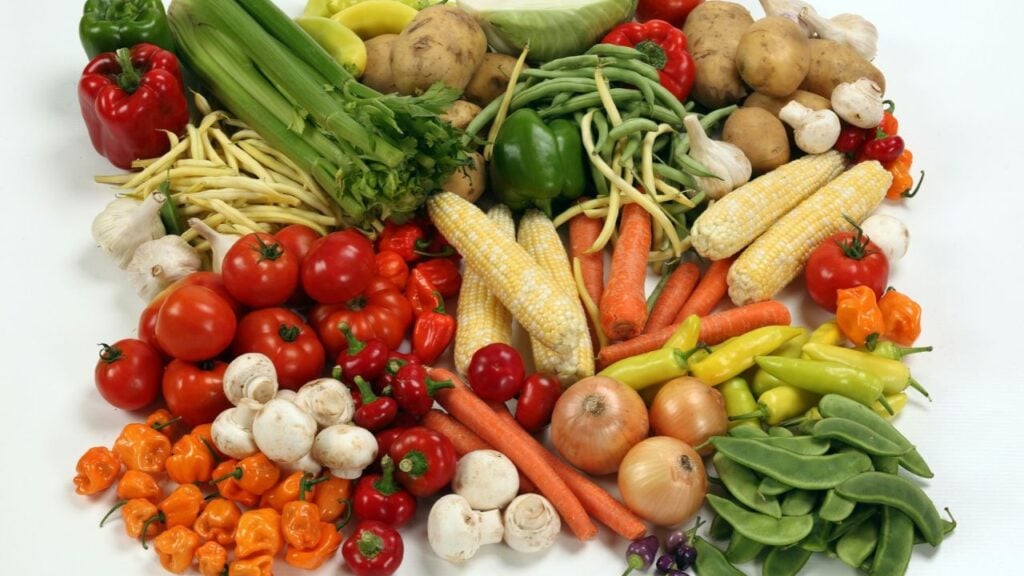
Encouraging extra protein can lead teenagers to turn to supplements or processed foods high in protein. Many plant-based protein sources, like beans, also provide fiber, which many children lack.
4. Full-Fat Dairy Advice Raised Questions

The guidelines recommended full-fat dairy foods such as whole milk and full-fat yogurt. However, they still recommend that saturated fats make up no more than 10 percent of your daily calorie intake.
This can be difficult because full-fat dairy contains saturated fats. Researchers are still looking into whether whole milk provides any real health benefits to young children.
5. Children’s Nutritional Needs Differ

The guidelines are very general. Children will have different nutritional requirements depending on their age, growth, activity levels and medical issues.
Preschool children can go through fussy-eating phases and teenagers may need extra nutrition while they are growing or playing sport. Children with diabetes, food allergies or eating disorders may also need more tailored advice.
What Parents Should Do

These updated guidelines can be used as a basis for your children’s diet. Instead of making huge changes to your children’s diet, try including more whole grains, swapping sugary drinks for water, limiting ultra-processed snacks and ensuring you provide a variety of protein sources.
Additionally, consider the amount of saturated fats in your dairy products. Don’t assume your children will need extra protein.
It is recommended to speak with a pediatrician or registered dietitian when making decisions about your children’s diet. If your child has specific nutritional or medical needs, then it is important to seek advice. One guideline cannot cover every child’s situation.

