

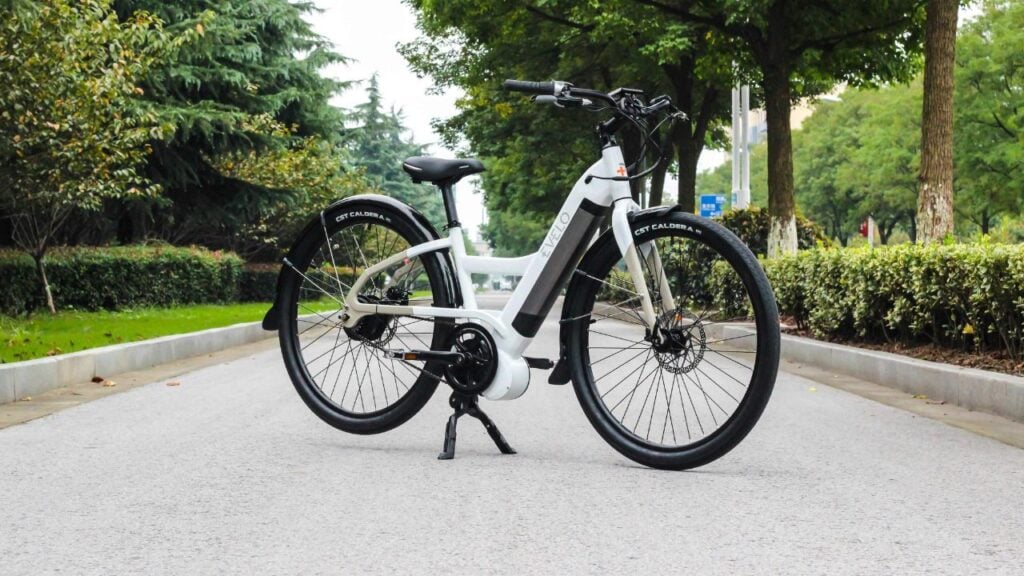
Parents buying an e-bike for their teen should consider five things before buying: speed, brakes, frame size, battery range and local laws. These factors can affect a young rider’s safety and comfort.
E-bikes are increasingly common outside schools and on neighborhood streets. The danger for a teenager is that they may end up with a bike that’s too fast, too heavy or has inadequate brakes.
Parents don’t need to be technically minded to make a safe choice. They can simply review the product specifications and test-ride the bike before buying to ensure it fits their teenager’s age, size and riding needs.
1. Check the Motor Class and Speed
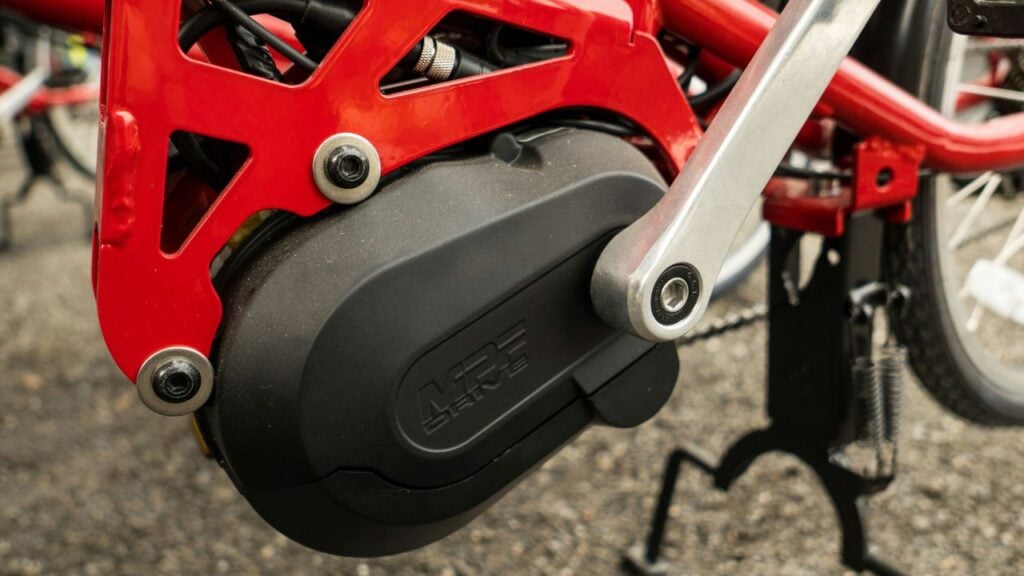
A more powerful motor isn’t necessarily the best option for a novice rider. A bike that accelerates rapidly can be difficult for a young rider still getting the hang of safe braking.
In the U.S., Class 1 and Class 2 e-bikes offer motor assistance up to 20 mph. Class 3 bikes can go up to 28 mph. In many states, Class 3 riders must be 16 or older.
Parents should also check the motor’s wattage. Some cheaper models will advertise peak power, which is the maximum bike power the motor can produce for a very short time. This may be higher than its normal power. Check both the peak and continuous rated power before you buy.
2. Check the Brakes Carefully
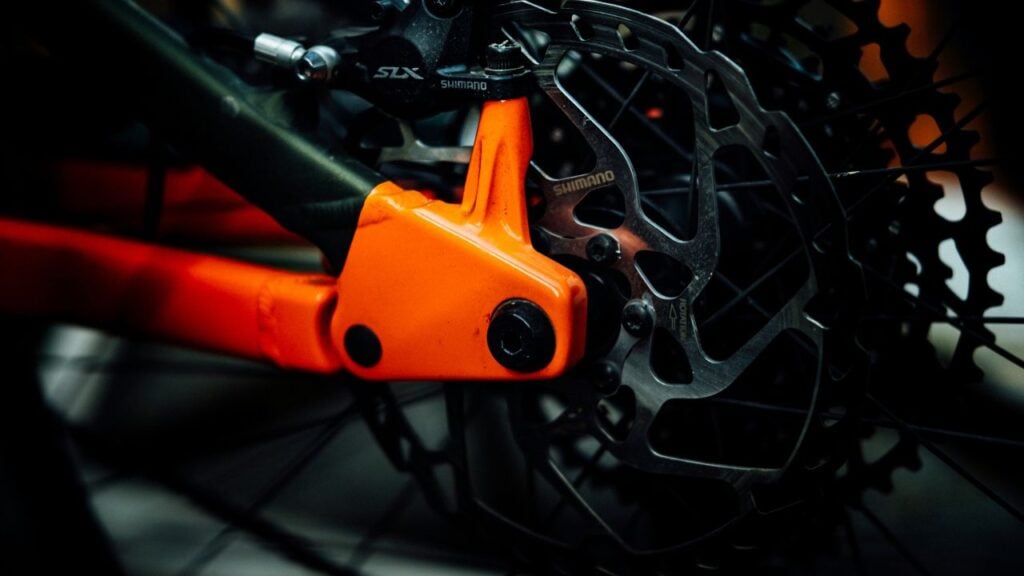
E-bikes are generally heavier and faster than normal bikes, so they need good brakes to stop properly. Disc brakes are a good choice as they work well in the wet.
They come in two forms: mechanical and hydraulic. Rim brakes are likely to wear out faster under the added weight of an e-bike.
Hydraulic disc brakes require less hand pressure, so they are easier for the younger rider to use. They do need occasional professional service, though. Mechanical disc brakes are far easier to look after at home. Just don’t buy a bike with poor brakes simply because it’s cheaper.
3. Choose the Right Frame Size
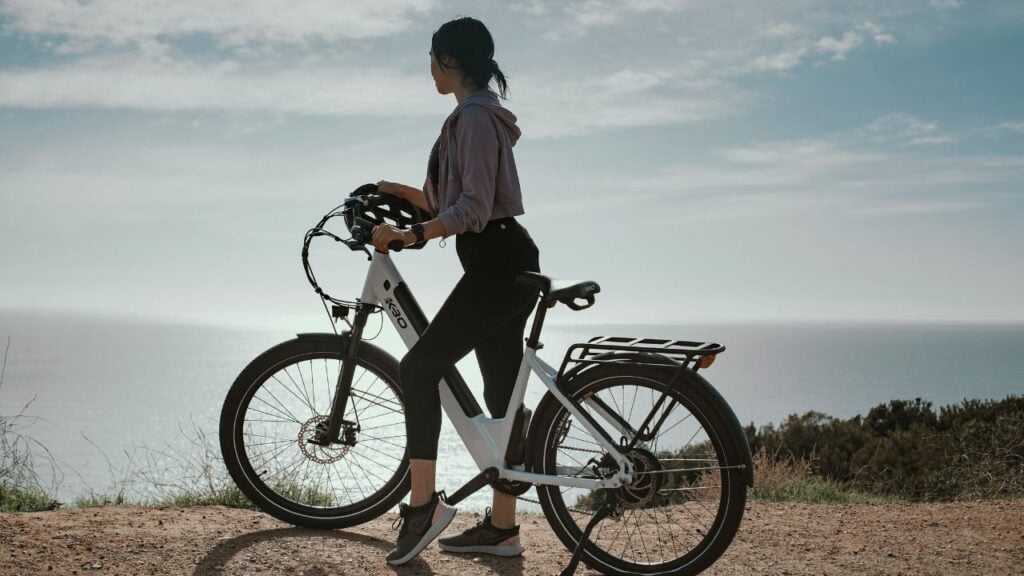
A bike that doesn’t fit properly is difficult to control, particularly when you’re going slowly or need to stop abruptly. Your teen should be able to put both feet flat or nearly flat on the ground when sitting. Step-through frames are obviously much easier to get on and off of. The handlebars should be within easy reach.
Don’t choose a bike based on wheel size alone. Check the recommended rider height. Ask your teen to lift it as well, since the bike’s weight matters if they’ll have to carry it up stairs or put it on a rack.
4. Check the Battery Range
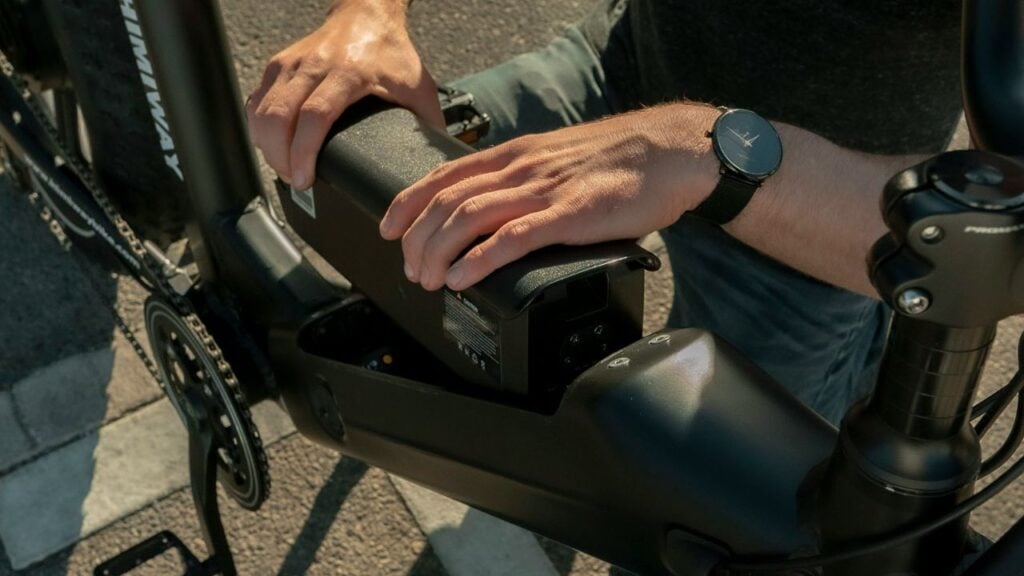
The battery range quoted by the sellers is almost certainly based on ideal conditions: flat roads and low pedal assist. Hills or higher levels of pedal-assist will drain the battery much faster.
Choose a battery with at least double the range your teenager will actually need for their normal trips, as this will help to avoid the battery dying during a journey. Battery capacity is in watt-hours (Wh) and the higher the number, the greater the range, although a larger battery will also be heavier.
5. Check Local Laws and Buy a Helmet
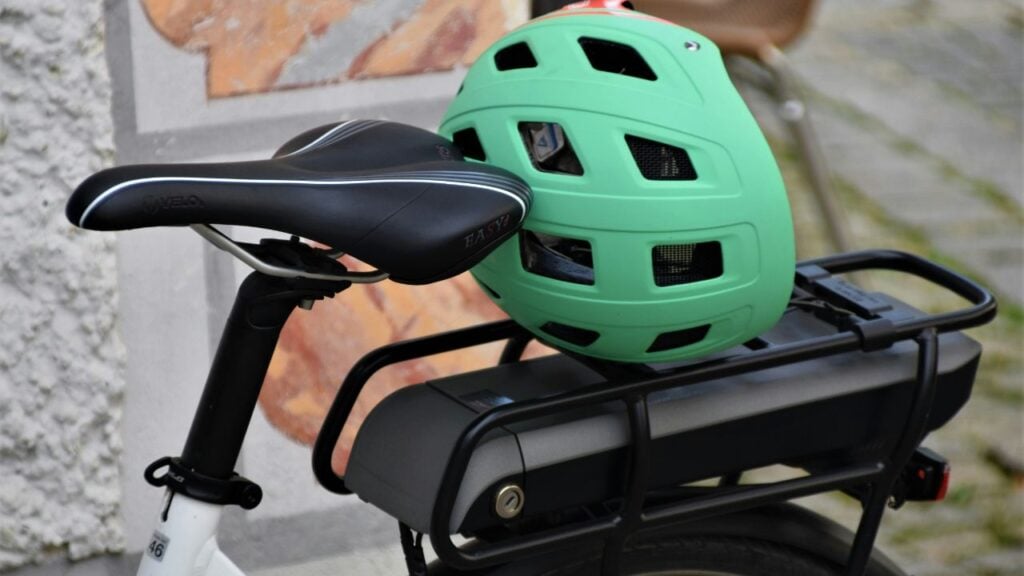
E-bike rules differ from state to state and city to city. They may cover minimum riding ages, helmet mandates and where a teenager is permitted to ride. Some jurisdictions will also restrict e-bikes to certain roads and prohibit them from sidewalks and shared paths. The NCSL keeps a record of the state e-bike laws. Parents should check the current rules in their locality prior to purchase.
Include a helmet in your budget. The American Academy of Pediatrics recommends helmets for all young riders. All bicycles sold in the U.S. should be equipped with a CPSC-certified helmet. Good-quality locks and front and rear lights are useful extras.
Take your teenager with you when you’re shopping. Let them try out the different models and see how they feel. That way, you can pick a bike that fits and is comfortable to ride.

