

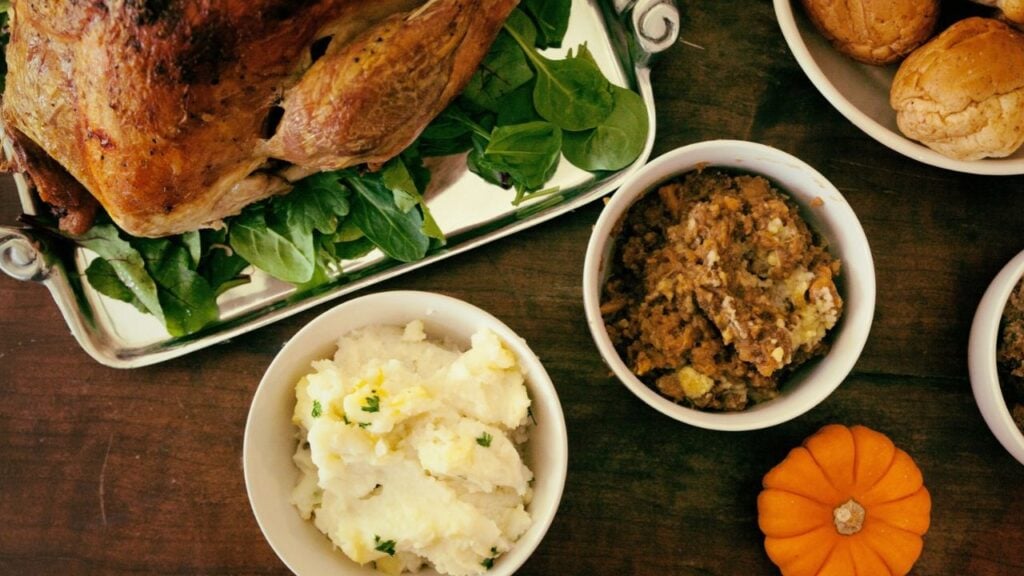
Parents should check their Thanksgiving menu for choking hazards before guests arrive on November 26. The USDA has confirmed that traditional foods such as corn, nuts and marshmallows on sweet potatoes can be choking hazards for toddlers.
Holiday tables are invariably crowded and noisy, so a toddler can very easily pick up a bite without any adult even noticing. The toddler’s airway is small and they’re still learning how to chew.
Parents can still serve many of these foods provided they are prepared safely. The CDC notes that the size, shape and texture of the food all affect the risk of choking. Cutting food into smaller pieces appropriate to the child’s age is one way to reduce that risk.
1. Whole Corn Kernels
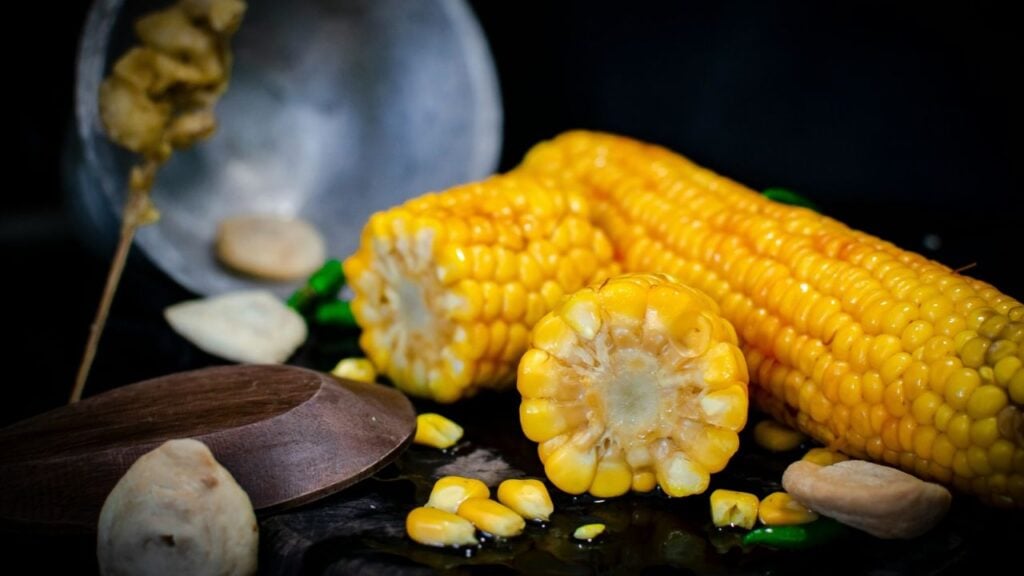
Loose kernels are small, round and slippery, so they’re very easy for a toddler to inhale whether raw or cooked. The USDA lists whole corn kernels as a food to avoid. If you’re having corn, then just give your toddler a different vegetable instead.
2. Nuts and Seeds
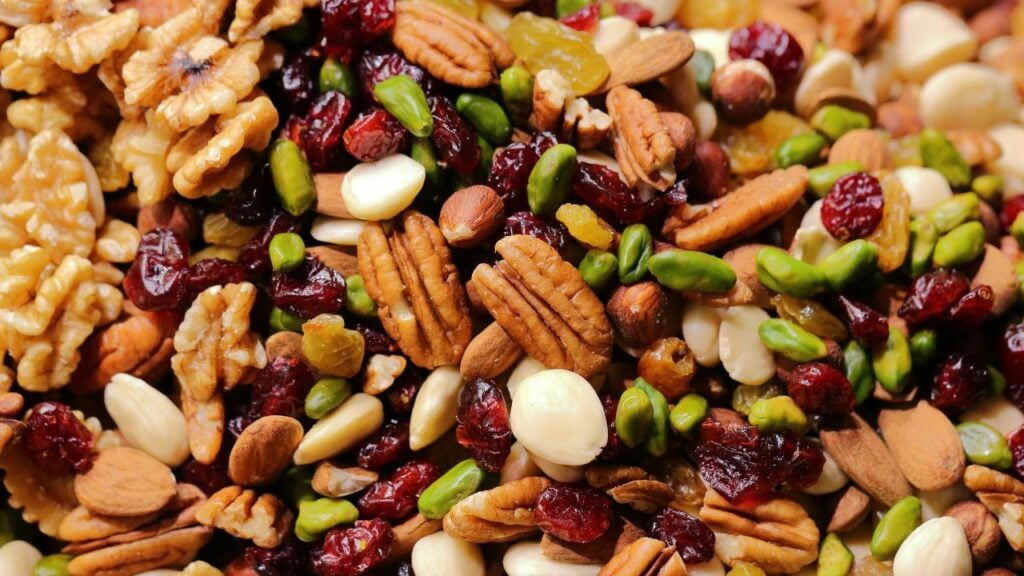
Nuts appear in pies, stuffing and snack bowls at the holidays and whole or chopped nuts are difficult for a toddler to chew. The USDA also cautions against giving young children chunks or spoonfuls of peanut butter and other nut butters.
Keep snack bowls out of your toddler’s reach and ask the cook what’s baked into each dish.
3. Large Chunks of Turkey and Ham
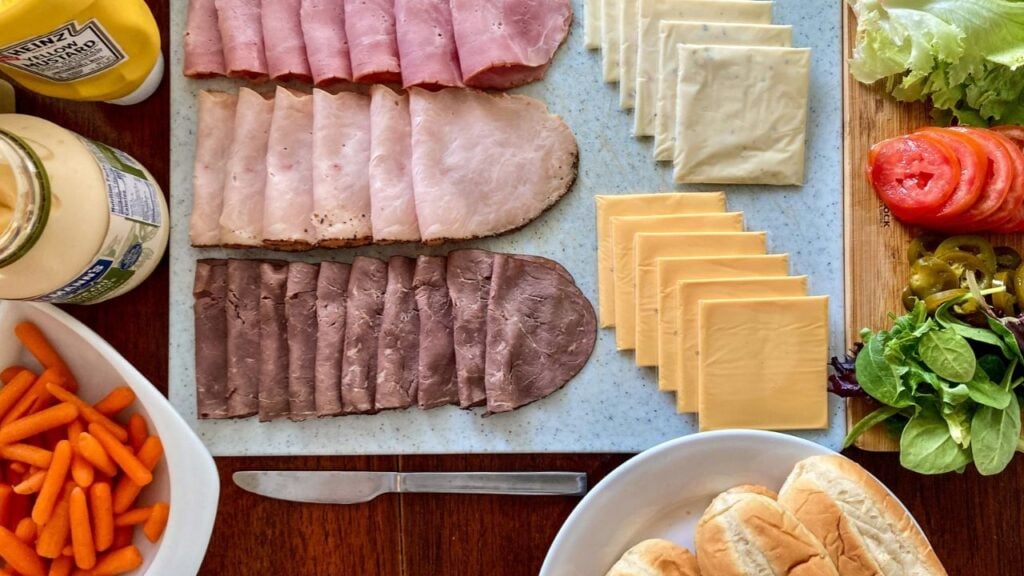
Tough or large pieces of meat are hard for a toddler to chew and swallow, so cut the meat into small pieces before placing it on the plate. The USDA also lists bones in meat as a hazard, so check each piece for bones.
4. Raw Carrots and Other Hard Vegetables
A vegetable platter may seem like a sensible option, but raw pieces like carrot sticks are a well-known choking hazard. Cook the carrots until they’re soft and then cut them into small pieces. You could also simply omit the raw vegetable entirely from your toddler’s plate.
5. Whole Grapes and Berries
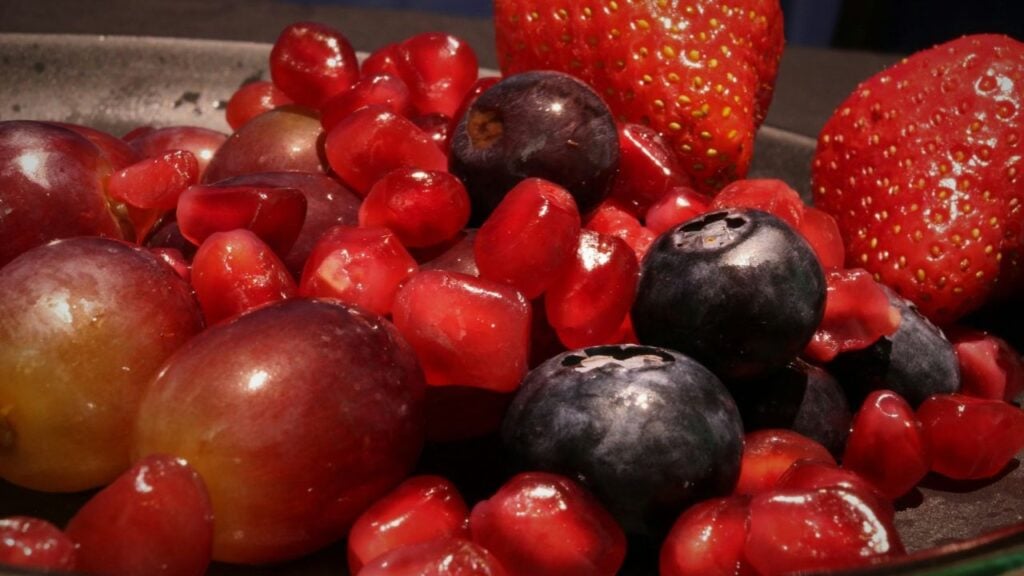
Grapes are round and smooth, so they can quite easily block a toddler’s throat. The USDA recommends that uncut grapes, berries, cherries and melon balls not be served to young children. These should all be cut into small pieces, even the ones that end up in fruit salads and on the dessert table.
6. Marshmallows
Marshmallows are used as a topping on many sweet potato casseroles and are on the USDA list of sweetened foods to avoid. They’re soft, sticky and can get stuck in a child’s throat. Before you add the topping, set aside a plain scoop of sweet potato for your toddler.
7. Cheese Cubes and String Cheese
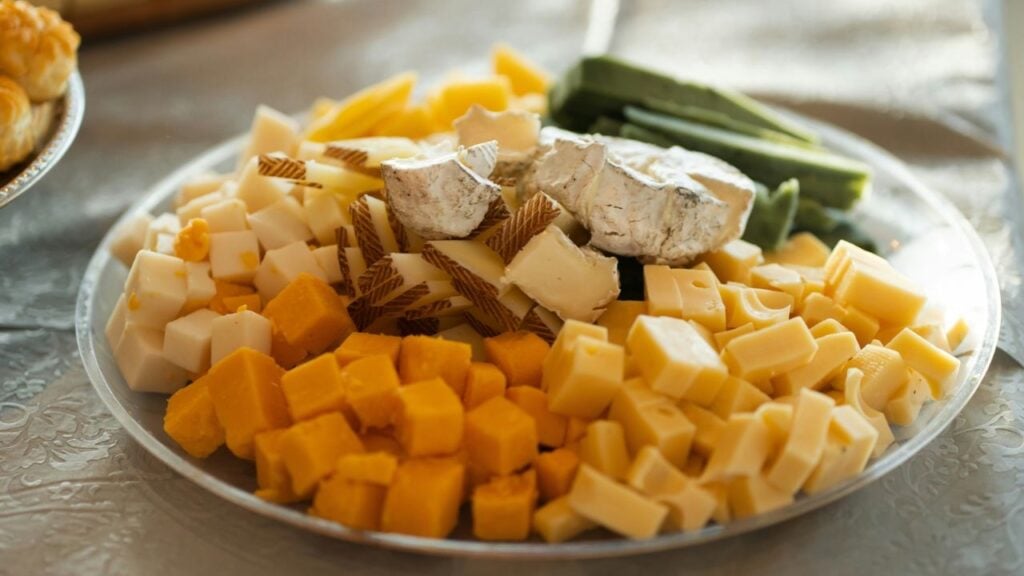
Appetizer boards are typically full of cheese in cube form and the USDA lists large chunks of cheese, especially string cheese, as a choking risk. If you do want your toddler to have some, shred the cheese or cut it into very small, thin pieces.
8. Popcorn, Chips and Pretzels
Snack bowls are often left out before the main meal, making them easy for kids to access. The USDA lists popcorn, potato chips, corn chips and pretzels as food items toddlers should avoid. They give the same warning about crackers and breads that contain seeds or nut pieces, so you should also check the dinner rolls.
Seating and Supervision Tips for Mealtime
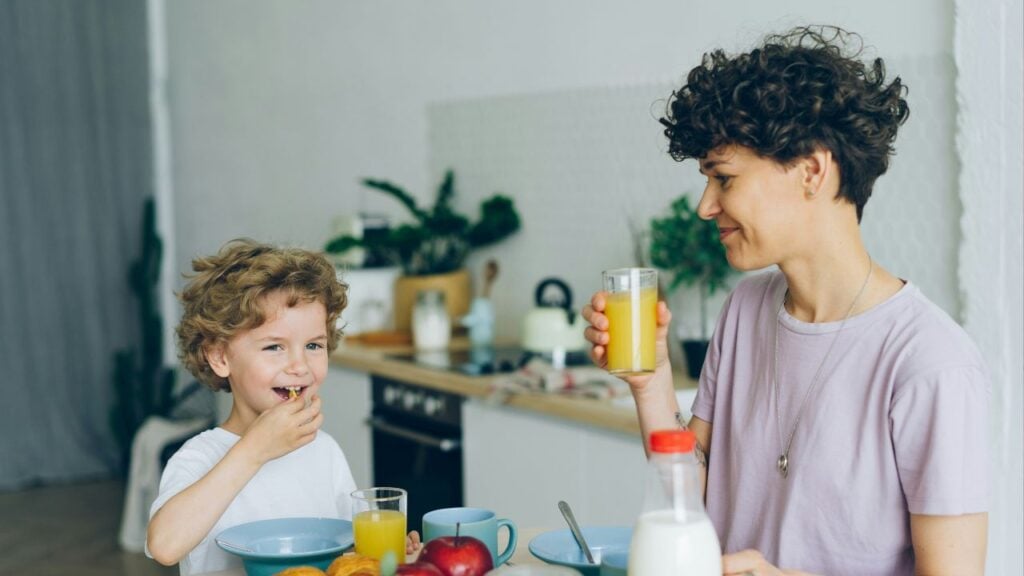
Where and how a child eats is just as important as what is on the plate. The CDC recommends that children eat in a high chair or some other safe position, sitting upright. They should not eat while lying down, crawling or walking and they should not eat in a car seat or stroller.
A calm mealtime can also help to prevent choking. If children rush or get distracted, they may be more likely to swallow the food the wrong way. Always have one adult looking after your toddler during the meal. Don’t assume that someone else is.
Before the holiday, get your child’s doctor or nurse to tell you what to do if your child chokes. It’s better to know in advance. The USDA list won’t necessarily cover every choking hazard. Be cautious with any food that is small, hard, or sticky.

