


Teaching children gratitude begins with helping them appreciate what they have and the kindness of others. Thanksgiving is a perfect opportunity to start them on the path to gratitude.
However, they need opportunities to practice it regularly if it is to become part of their everyday lives.
From leading by example to starting simple family traditions, here are seven practical ways to teach your child gratitude before Thanksgiving.
1. Practice Gratitude

We’ve all heard the old adage “Monkey see, monkey do” and that’s absolutely true when it comes to kids. They’re mirrors. They reflect what they see. So be very deliberate in your home about modeling gratitude as much as possible.
That doesn’t just mean saying “thank you” of course, it can also be about pointing out the things you appreciate about your family members or highlighting the little things they do.
2. Start a Gratitude Journal

Who says you can’t give gifts on Thanksgiving? This year, why not give your child a gratitude journal? Get them to write down one thing they’re grateful for each day.
If envy, jealousy or discontentment starts to creep in, they can simply go through their journal and be reminded of all the things they actually do have to be grateful for.
3. Spend Time in Nature
Getting outside is a great way to unwind and refocus. Go on a nature walk with the kid and get them to point out all the things they love about it. Just watch a sunset and take in the colors.
Just go to the beach or the river and sit and listen to the sound of the waves crashing or the water flowing. Sometimes all you need to feel grateful for is to simply walk out the front door.
4. Practice Sharing and Caring
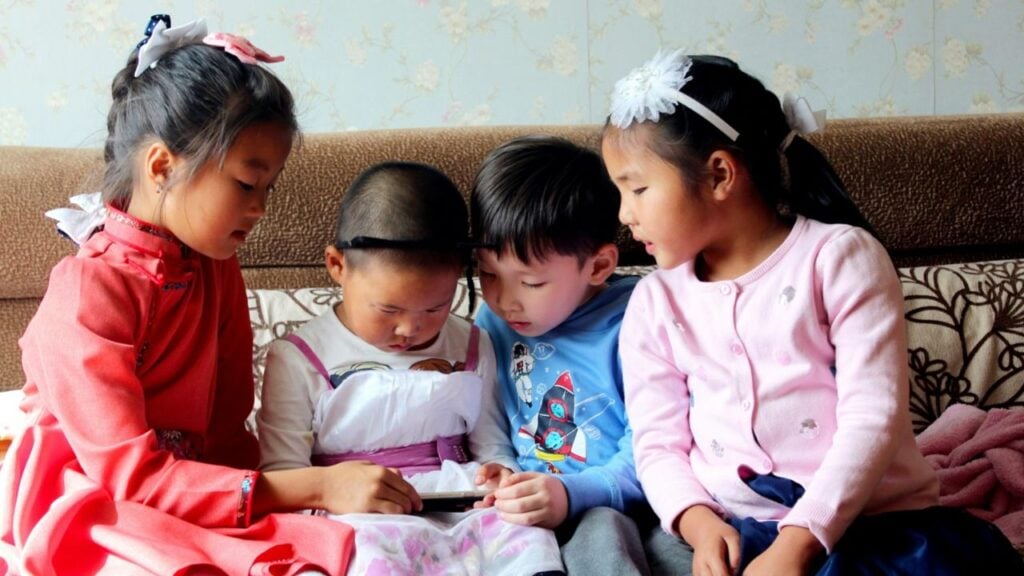
Being grateful for what we have should lead us to want to share it and care for others. Get your child into the habit of sharing their favorite toy with friends and siblings.
Spend some time going through the toys they no longer play with and take them to the local charity shop so other kids can have them.
5. Start a Family Tradition
One way of making gratitude part of your family culture is to create a new tradition. You could go round the table each evening at dinner and have each person share something they were grateful for that day.
Alternatively, you could keep a gratitude jar and have each family member write down something they’re grateful for each day.
At the end of the week, you could then go through the jar as a family and reflect on it to finish the week on a positive note.
6. Read Books About Gratitude

Although your child will no doubt spend a great deal of time reading for school, reading together at home is a fantastic way of instilling your family’s values.
After reading a story, ask a few simple questions:
What was the character grateful for?
How did anyone show kindness?
What can we thank God for today?
How can we give to or help someone else?
Go to your local library and look for books with a gratitude theme, or ask other parents for recommendations.
7. Write Thank You Cards

Teach your kids to go the extra mile in expressing gratitude by having them write and post thank-you cards.
If friends have given them gifts for their birthday or relatives have sent them Christmas presents, have them write specific, individual thank-you notes to learn to be grateful.
Teaching gratitude doesn’t mean our kids or students will suddenly stop complaining or struggling to be grateful. It simply means we keep pointing them to God’s goodness, one conversation, one small moment at a time.
You don’t have to do all seven ideas together. Pick one that works for your family or your child and make it a tradition.

