

With Thanksgiving and Christmas approaching, parents and gift-givers are preparing to shop for toys, but a new report warns that some popular products may carry risks that aren’t immediately obvious.
The U.S. PIRG Education Fund’s report, released November 17, highlighted potential hazards involving AI-powered toys, squishy fidget toys, counterfeit merchandise, infant activity toys and purchases from unfamiliar online sellers.
The researchers tested seven AI toys and found that some could talk to children about inappropriate topics or even refer them to dangerous household products. The report also examined water-bead-filled squishy toys, recalled products and toys that may violate federal safety standards.
AI-Powered Toys May Expose Children to Inappropriate Conversations
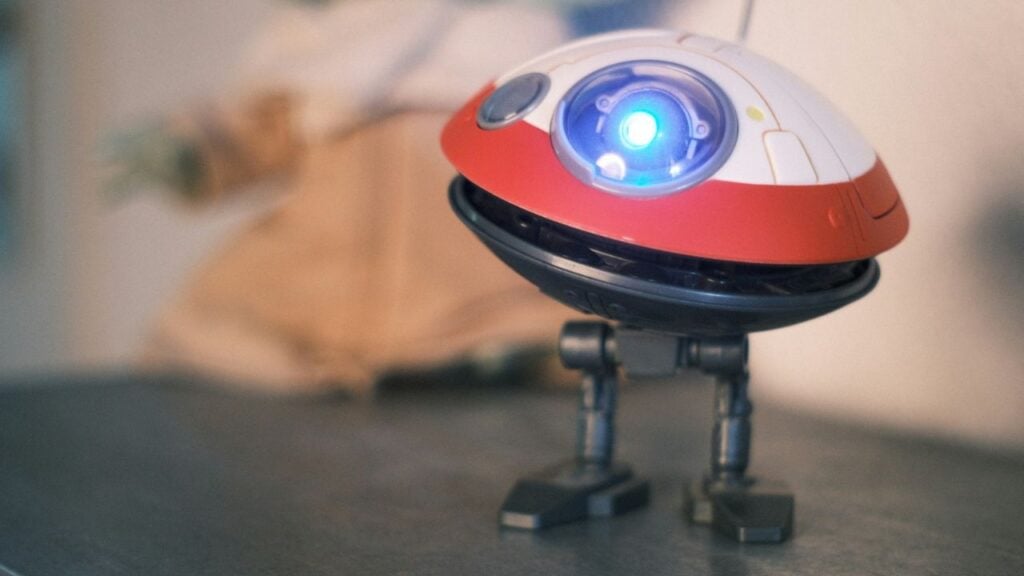
The report focused on AI toys. For the second year in a row, researchers investigated chatbot toys. There are currently 7 chatbot toys on sale.
Despite some safety protections in the toys, the researchers were able to make them talk about inappropriate content. This included inappropriate content regarding sex, instructions on finding potentially dangerous items in the house and how to light a match.
It was also found that safety protections within these toys can be inconsistent. As these toys respond to what children ask, they may be less predictable than standard toys.
The report also highlighted concerns regarding data collection from children. If the toy uses microphones, cameras or internet connections, it may collect data. Therefore, it is important to consider the parental controls and data privacy settings before purchasing.
Squishy Fidget Toys May Contain Hazardous Water Beads
Squishy fidget toys are highlighted in the report. Some toys contain water beads and if ingested, they can cause serious internal injuries. They can cause intestinal blockages.
The Consumer Product Safety Commission (CPSC) has restricted water beads. Over the past 2.5 months, at least 7 different types of squishy toys have been identified as dangerous.
The CPSC has also raised concerns about a social media trend encouraging children and teenagers to put squishy toys in the microwave. The toys can explode and the hot contents can cause burns. The agency has received reports of children being injured by these toys.
To be safe, families should not put these toys in the microwave. They should also check for any tearing, leaking or damage. The CPSC has also raised concerns that counterfeit squishy toys may contain unknown fillings, high levels of lead or other banned chemicals for children’s products.
Pull-String Activity and Teething Toys Pose Choking Risks

Pull-string activity toys and teething toys for babies often include silicone strings; however, some have longer strings than federal safety requirements allow.
Per U.S. PIRG, nearly half a million of these toys were recalled or became the subject of regulatory warnings during the previous year. The CPSC also received reports of dozens of choking incidents or injuries involving the products.
An excessively long string can reach an infant’s throat and create a choking hazard. Parents should check recall notices and product warnings before giving babies pull-string toys, particularly when purchasing them through online marketplaces.
Counterfeit Toys and Unfamiliar Online Sellers Add to Safety Concerns
Counterfeit products are another concern because they may not undergo the testing required for children’s toys. U.S. PIRG warned that cheaply made imitations can contain toxic substances such as lead or have small components that break off during play.
Consumers should be cautious when buying from unknown online retailers. If buying from an international retailer, products may not meet U.S. safety standards.
Between November 1, 2025, and October 31, 2026, 110 toys were recalled and 20 warnings were given to companies that did not agree to recall. Over 5 million toys were affected.
Over 900 violations of toys were issued between January and July in 2026. Around 250 shipments were not seized at the border. Instead, companies were required to recall the products, stop selling them or improve future production.
What Parents Should Check Before Buying Thanksgiving and Christmas Gifts
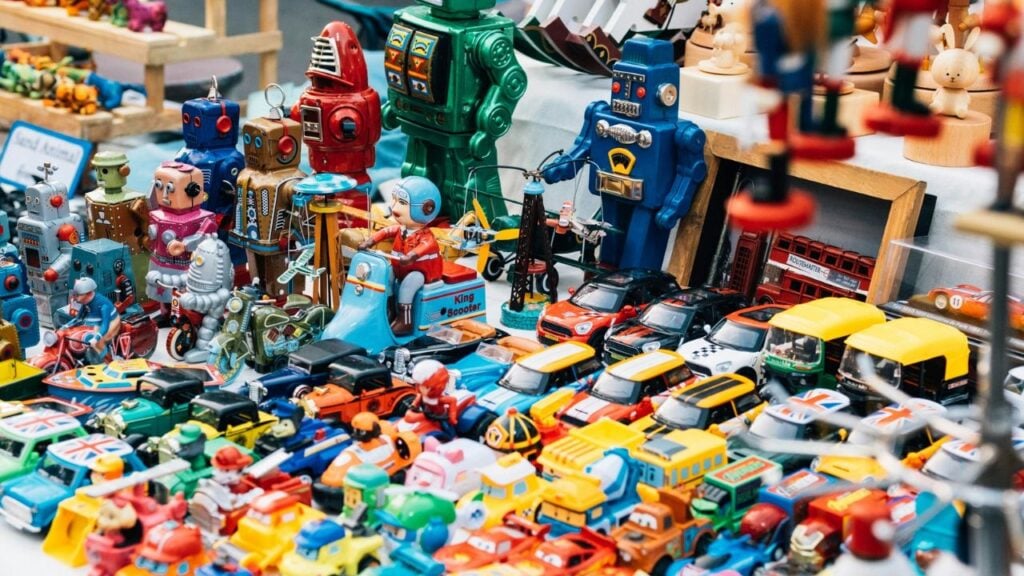
As families shop for Thanksgiving gatherings and Christmas presents, U.S. PIRG recommended researching products and sellers before making purchases. A familiar-looking toy or an attractive discount does not necessarily mean the product meets safety requirements.
Parents and gift-givers can take several precautions:
- Check the seller: Choose established retailers or verified sellers with clear contact and return information
- Inspect product information: Look for manufacturer details, age recommendations, safety warnings and tracking labels
- Search recall notices: Check the CPSC website before buying a toy or giving one to a child
- Examine toys regularly: Look for damaged coverings, loose parts, leaking fillings or other signs of deterioration
- Review connected-toy privacy settings: Understand what information an AI-powered product collects and whether parental controls are available
Not every injury involved a defective toy, but the figures illustrate why age recommendations, product condition and appropriate supervision matter. The report encouraged families to look beyond a toy’s appearance and popularity when choosing gifts for children.


