


A federal judge in Massachusetts struck down a Trump administration rule on November 16, 2026, that would have limited how long international students and researchers could remain in the United States, per reports.
U.S. District Judge F. Dennis Saylor IV ruled that the Department of Homeland Security (DHS) policy “is arbitrary, capricious, an abuse of discretion and otherwise not in accordance with law.”
The decision prevented new restrictions on academic programs and immigration extensions from taking effect.
Proposed Rule Would Have Limited Academic Stays
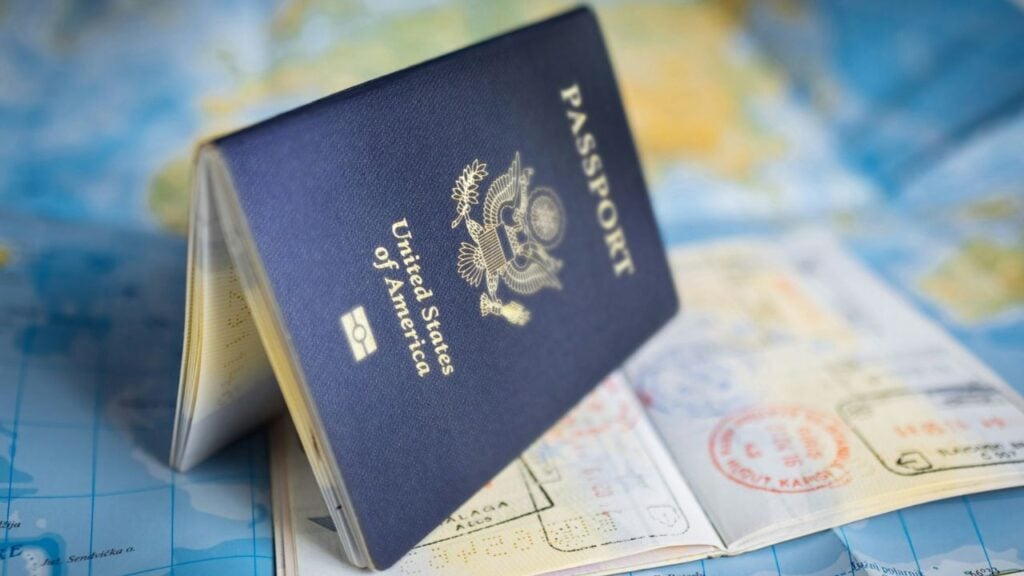
On July 17, 2026, DHS published a final rule replacing the longstanding duration-of-status system with fixed admission periods of up to four years.
The changes would have affected international students holding F visas, researchers and exchange visitors holding J visas and foreign media representatives holding I visas.
Students requiring additional time to complete their programs would have needed government approval to extend their stays.
Under the existing system, eligible students can remain in the country while maintaining their authorized academic status and meeting immigration requirements.
DHS argued that fixed admission periods would strengthen immigration oversight and address fraud and national security concerns. However, universities and research advocates raised concerns about the potential effects on doctoral students and researchers whose programs frequently extend beyond four years.
Education Groups Challenged the Restrictions

In August 2026, a coalition including NAFSA: Association of International Educators, the Presidents’ Alliance on Higher Education and Immigration and several labor organizations challenged the rule in federal court.
The plaintiffs argued that the proposed system would create additional administrative requirements and interfere with academic decisions.
The rule also restricted students’ ability to pursue certain additional degrees or change academic programs.
On September 14, Judge Saylor temporarily blocked the policy, one day before its scheduled implementation.
The court reportedly questioned whether DHS had adequately considered the policy’s costs, its potential consequences for universities and alternatives to the proposed changes.
Judge Found Problems With DHS Justification

In his November 16 decision, Saylor concluded that DHS had failed to adequately justify replacing the existing immigration framework.
The court ruling noted that federal authorities already use the Student and Exchange Visitor Information System to monitor international students and identify possible violations.
The judge found that DHS had not sufficiently evaluated whether improvements to that system could address its concerns without imposing additional restrictions.
He also determined that limitations on academic choices conflicted with the purpose of the F-1 student visa program.
The court granted judgment in favor of the plaintiffs and vacated the entire rule. Meanwhile, the existing duration-of-status system remained in place following the decision.
An earlier government appeal challenging the September injunction reportedly remained pending at the time of the November ruling.

