


Setting a child’s bedtime can feel like guesswork. Pediatric sleep specialists say the first step is simple: Start with the time the child has to wake up, then count backward.
The number of hours kids need drops steadily as they grow, per guidelines from the American Academy of Sleep Medicine. Getting enough sleep matters for more than easier mornings, said Dr. Vaishal Shah, a pediatric sleep specialist at Cleveland Clinic.
“Sleep truly is the best medicine,” Dr. Shah said.
What the Guidelines Recommend

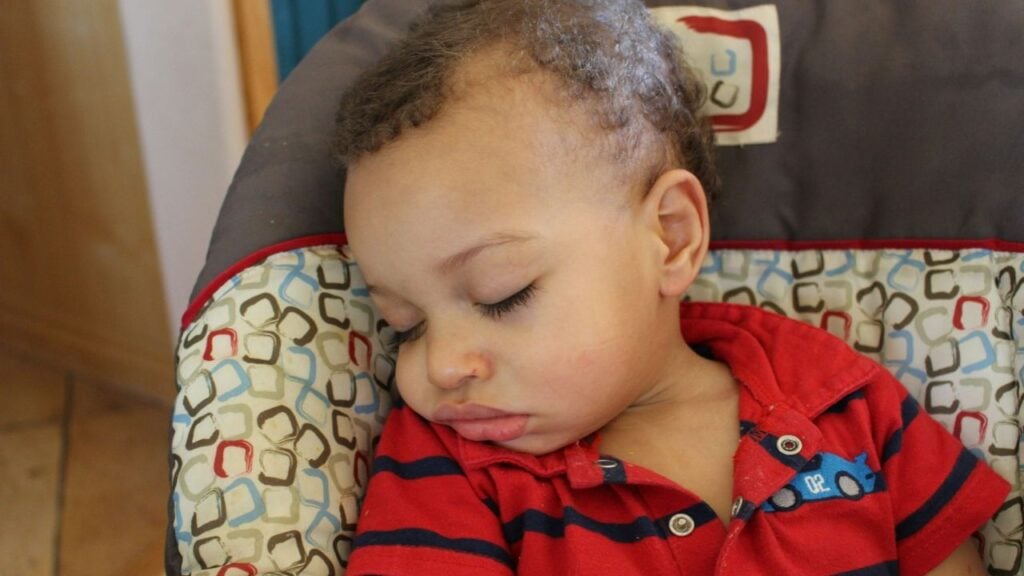
Babies 4 to 12 months old should get 12 to 16 hours over 24 hours, naps included. Toddlers ages 1 to 2 need 11 to 14 hours, also counting naps.
Preschoolers, ages 3 to 5, need 10 to 13 hours and a nap may still be part of the mix. School-age children, 6 to 12, need nine to 12 hours. Teens, 13 to 18, need eight to 10.
Newborns up to 3 months old are the exception. Their sleep is scattered across day and night, so there is no firm target.
The Pediatric Sleep Council said most sleep about 11 to 17 hours a day. Dr. Shah added, “Babies do not develop a day-night body clock until around 3 to 6 months.”
Why Sleep Matters For Kids

Research tied to the guidelines showed that children who get enough sleep tend to do better with attention, behavior, learning, memory and emotional control. Their mental and physical health also tends to be stronger.
“The effects show up quickly at school. Kids who fall short are more likely to struggle to concentrate and behave in class and they can slip behind classmates,” Dr. Shah said. Fatigue can also drag down performance in sports and other activities.
How Sleep Routines Change With Age

Babies typically sleep six to eight hours at night, with naps making up the rest. The number of naps varies widely and that is fine as long as the baby is healthy and reaching the daily total.
Between 6 and 12 months, most healthy babies no longer need nighttime feedings. Parents can then begin encouraging a more regular sleep schedule.
Toddlers usually settle into one shorter nap a day and do well with consistent routines. By preschool, many children drop naps gradually, sometimes skipping them on some days and taking them on others.
Parents are encouraged to build quiet time into the afternoon and move bedtime earlier to make up for lost daytime sleep.
Why Teens Fall Short of Sleep
“Teenagers are the group most likely to come up short. Classes, homework, jobs, activities and social lives often push sleep aside,” Dr. Shah said.
Exhaustion then slows them down, making it harder to get everything done and feeding the cycle.
The stakes include safety. AAA Foundation research cited by the National Transportation Safety Board found that drivers ages 16 to 24 face the greatest risk of a drowsy-driving crash.

