

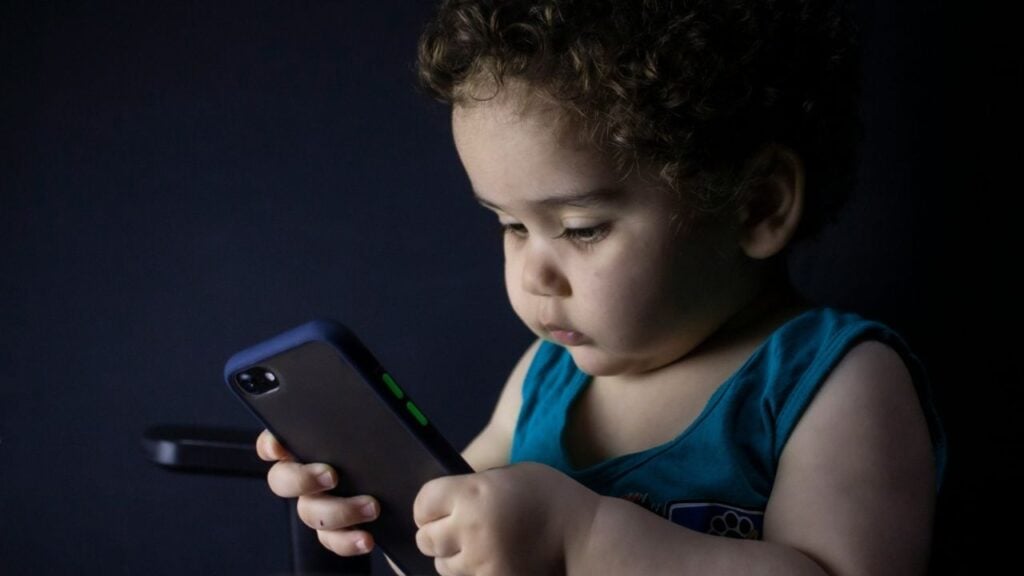
Nearly half of U.S. tweens have used an AI chatbot or companion, even though most of these tools are built with older users in mind, a new survey found.
The nonprofit released its 2026 census of tween and teen media use on October 27. It found that 49 percent of tweens have tried an AI chatbot or companion at some point.
Of those, 18 percent used one on the day they were surveyed. The group said the numbers suggest age limits are not working for many children.
How Many Hours Do Kids Spend on Their Phone?

Ownership rises from 24 percent at age 9 to 47 percent at age 10, then passes the halfway mark at age 11, at 57 percent.
By age 17, it is nearly universal at 94 percent. The jump around age 11 may line up with the move to middle school.
The survey covers ages 9 to 17. It found the typical teen spends about eight hours a day on screen media for entertainment, while the typical tween spends about five. More than 4 in 10 teens or 43 percent, log 10 or more hours daily.
Reading for fun is losing ground. On the day surveyed, 45 percent of tweens read for pleasure. Among teens, that fell to 23 percent.
Do Young Users Enjoying Chatbots?

Heavy use does not always mean enjoyment. Overall, 65 percent of young people use AI in their free time, including 77 percent of teens and 49 percent of tweens.
But just 11 percent of teen users and 15 percent of tween users said they enjoy it “a lot.” Social media shows a similar gap. While 86 percent of teens use it, only 47 percent of those users enjoy it that much.
James P. Steyer, Common Sense Media’s founder and CEO, said age limits “exist on paper” but don’t protect kids in practice. He said what should worry parents most is that children are spending hours on platforms few of them say they truly love.
What Can Parents Do

Parents are encouraged to start with simple questions, such as whether a child has heard of AI companions or uses applications that talk like a friend. They should also listen carefully before voicing concern.
Parents are advised to find out which AI tools their child can access on both school and personal devices and to talk through what is acceptable for schoolwork.
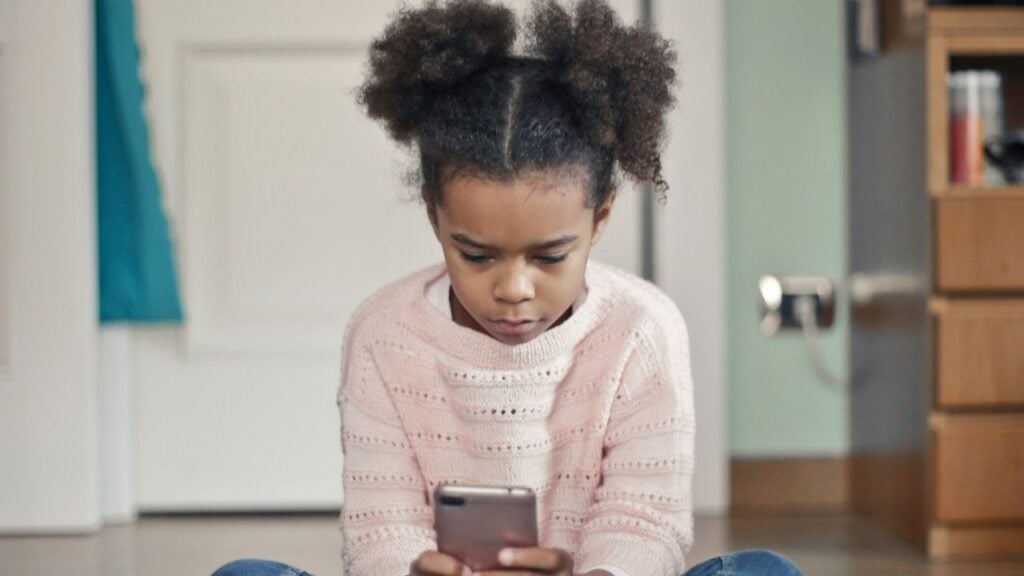
Chatbots can act like friends, keeping kids coming back. Remind children that the tools are software and can be wrong, even when they sound sure of themselves.
Kids should avoid giving AI tools names, addresses or photos and parents can turn on any available privacy controls.
Set AI rules with kids, choose safe uses such as supervised homework help, limit time and check in on how the tools make a child feel.

