
Finding Neverland (2003)
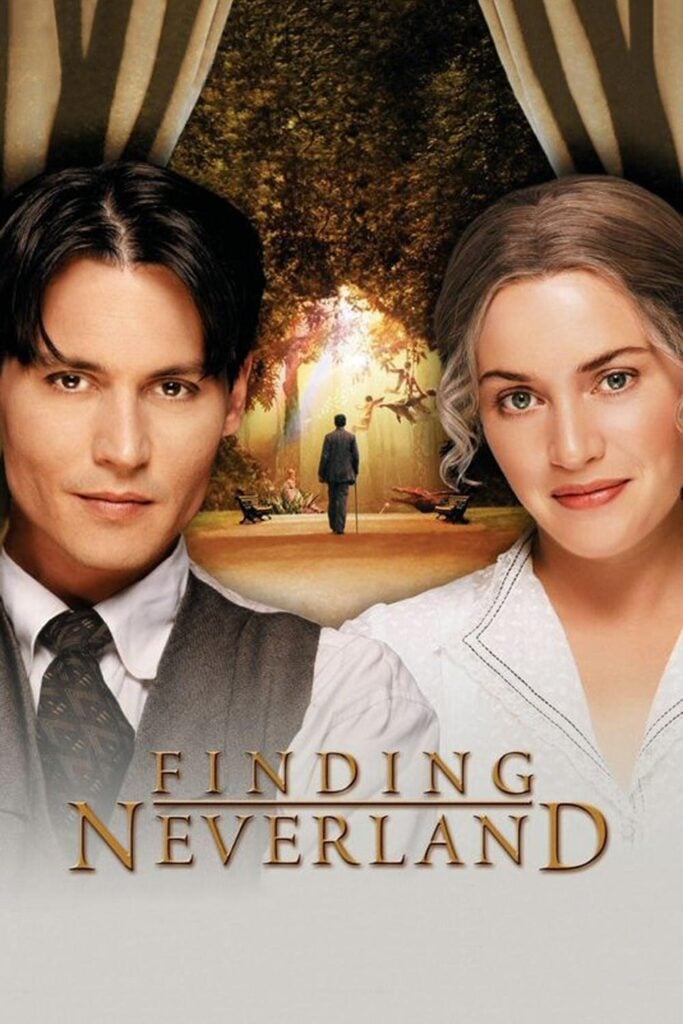
Synopsis:
Playwright J.M. Barrie finds himself struggling with writer's block until he meets Sylvia Llewelyn Davies, a widow, and her four young sons. As Barrie spends time with the family, the boys' imaginative play and boundless creativity spark something within him. Their adventures together—filled with pirates, fairies, and make-believe worlds—gradually become the inspiration for what will become his greatest work: Peter Pan. Through his deepening friendship with the family, Barrie rediscovers the power of imagination and the magic of seeing the world through a child's eyes. This heartwarming drama explores how real-life relationships and the wonder of childhood can fuel artistic creation, showing how one family's influence helped bring one of literature's most beloved characters to life.
Where To Watch: Finding Neverland
Parental Feedback
Finding Neverland unfolds at a gentle, contemplative pace that emphasizes emotional depth over action or comedy. Parents should be prepared for a story that explores themes of grief, loss, and the healing power of imagination, woven through the relationship between a playwright and a widow's family. The tone is bittersweet and tender, blending moments of whimsy with genuinely poignant scenes that may resonate more deeply with older children and adults than with very young viewers.
Why Kids Should Watch Finding Neverland
This drama offers several meaningful lessons wrapped in a story about creativity and human connection.
The narrative celebrates the power of imagination and storytelling, showing how creative play and make-believe can bring joy and comfort during difficult times. Children see how the playwright's interactions with the young boys inspire the creation of a beloved classic.
The relationship between J.M. Barrie and the Llewelyn Davies family demonstrates genuine kindness and compassion across generations. The story models how adults can positively impact children's lives through patience, attention, and shared adventures.
Strong performances from the ensemble cast, including Johnny Depp, Kate Winslet, and young Freddie Highmore, bring authenticity to the characters. The acting helps convey complex emotions in ways that can spark meaningful family conversations.
The fantasy elements woven throughout provide visual interest and show the creative process behind Peter Pan. These imaginative sequences offer a window into how real-life experiences can transform into timeless stories.
Why Kids Shouldn't Watch Finding Neverland
Parents should consider several aspects that may make this challenging for younger or more sensitive viewers.
The story deals directly with serious illness and death within the family, which forms a central part of the emotional arc. These themes are handled sensitively but may be difficult for children who haven't yet encountered such topics or who are processing their own losses.
The pacing is deliberately slow and reflective, focusing on character development and emotional nuance rather than excitement or adventure. Younger children accustomed to faster-paced entertainment may find it difficult to remain engaged throughout the runtime.
Much of the story's depth relies on understanding adult relationships, creative struggles, and social expectations of the Edwardian era. These subtleties may go over the heads of elementary-age viewers, leaving them disconnected from key plot elements.
Verdict: Parent Approved
Finding Neverland earns approval for families with mature children ready to engage with thoughtful drama about loss, imagination, and the origins of a beloved story.
What Parents Should Know About Finding Neverland
| Question | Answer |
|---|---|
| Does this Movie model positive behavior that my child can understand and repeat? | Yes, J.M. Barrie demonstrates kindness, patience, and genuine care for the children, showing how adults can nurture young imaginations through play and attention. |
| Does this Movie include emotional moments my child might find confusing or intense? | Yes, the story includes scenes dealing with serious illness and grief that may be emotionally intense for younger or sensitive children. |
| Does this Movie show consequences for unkind or unsafe behavior? | The narrative focuses more on positive relationships than on disciplinary moments, though characters do face social judgment for unconventional choices. |
| Does this Movie reinforce helpful social skills like sharing, apologizing, or teamwork? | Yes, the story shows characters supporting one another through difficult times and demonstrates how imagination and play can be shared experiences that bring people together. |
| Will my child come away with any clear moral or message? | Yes, the central message emphasizes that imagination and creativity can provide comfort and meaning, and that genuine human connection transcends social conventions. |
The Overall Sentiment From Parental Feedback
Parents generally appreciate Finding Neverland as a beautifully crafted drama that handles mature themes with grace and sensitivity. Many note that the PG rating is appropriate, though they recommend it primarily for older children and teens who can grasp the emotional complexity and historical context. Families value the opportunity it provides for discussions about loss, creativity, and the real-life inspiration behind Peter Pan. Some parents caution that the slower pacing and melancholic tone may not hold the attention of younger viewers expecting adventure or humor. Overall, it's regarded as a quality family film best suited for thoughtful viewing with children mature enough to process its themes.
Official Finding Neverland Trailer
Why Kids Love Finding Neverland
Kids love watching J.M. Barrie make new friends with the four Llewelyn Davies boys, turning ordinary park visits into extraordinary adventures. The playwright doesn't act like a typical grown-up—he gets down on the ground to play pirates, cowboys, and explorers right alongside the children, making every moment feel like a grand expedition.
The movie sparkles when Barrie's imagination transforms everyday scenes into magical spectacles. A simple living room becomes a ship sailing to distant islands, and the boys' backyard turns into an enchanted forest where anything can happen. These playful sequences blur the line between reality and fantasy, showing how powerful make-believe can be.
Young Peter Llewelyn Davies starts out serious and quiet, but Barrie's silly games and wild stories gradually draw him into the fun. Their unexpected friendship shows how someone brave enough to be different—like Barrie, who refuses to grow up completely—can help others discover their own sense of wonder. The playwright's refusal to follow boring adult rules makes him the perfect companion for adventure.
The family bonds between Barrie, Sylvia, and her four boys create a warm center to all the imaginative chaos. Together, they prove that the best adventures happen when people who truly care about each other let their imaginations run wild.