
My Fair Lady (1964)
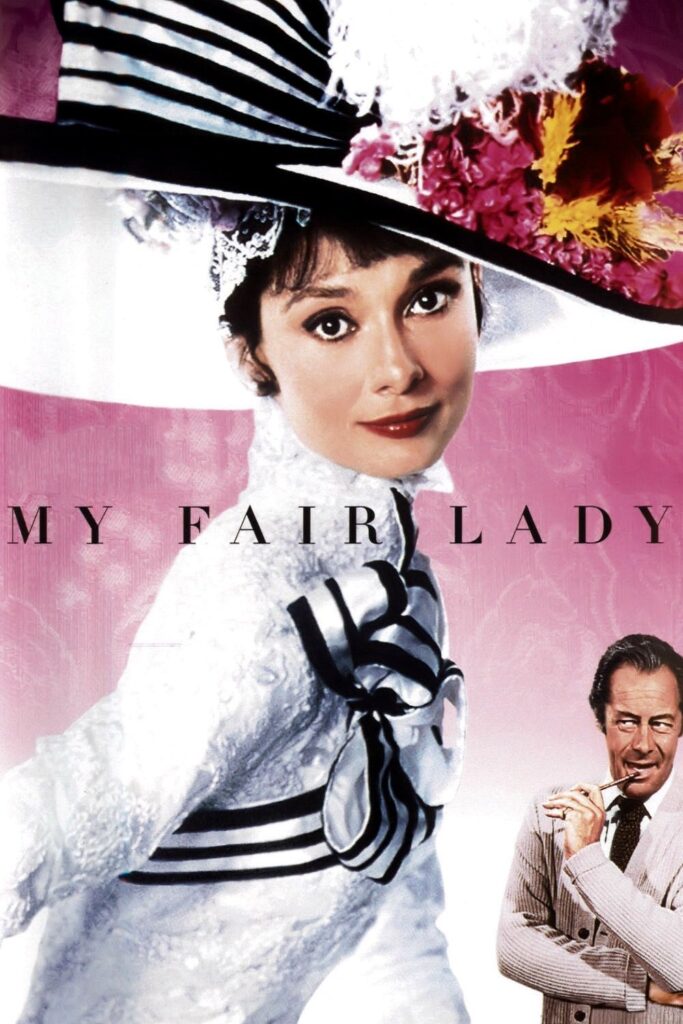
Synopsis:
Professor Henry Higgins, a snobbish phonetics expert, accepts an audacious wager that tests both his teaching skills and his pride. He bets that he can transform Eliza Doolittle, a humble Cockney flower girl from the streets of London, into a refined lady who can pass convincingly in high society. With the help of his friend Colonel Hugh Pickering, Higgins embarks on an intensive makeover that goes far beyond teaching proper speech and manners. As Eliza undergoes her remarkable transformation, the arrangement becomes more complicated than anyone anticipated. This charming musical comedy explores themes of class, identity, and personal growth, while showcasing the unlikely relationship that develops between the professor and his determined pupil. Featuring memorable songs and elegant settings, the story celebrates the power of self-improvement and the surprising connections that can form between people from vastly different worlds.
Where To Watch: My Fair Lady
Parental Feedback
My Fair Lady offers a leisurely-paced musical experience rooted in themes of social class, transformation, and personal dignity. Parents should expect a lengthy runtime with extended musical numbers, witty dialogue that may require attention to follow, and a story that explores both the humor and discomfort of one person attempting to reshape another. The tone balances lighthearted comedy with moments that raise questions about respect, identity, and the treatment of others based on their background.
Why Kids Should Watch My Fair Lady
This classic musical offers several elements that can enrich a family viewing experience.
The transformation story at the heart of the narrative demonstrates perseverance and self-improvement, showing how dedication and hard work can lead to personal growth and new opportunities.
The musical numbers and elaborate production design provide a visually engaging experience that showcases the artistry of classic Hollywood filmmaking and introduces children to theatrical storytelling traditions.
The comedy throughout offers moments of genuine humor that families can enjoy together, particularly in the interactions between characters from different social backgrounds.
The film's exploration of language and communication highlights the importance of how we speak and present ourselves, offering subtle lessons about self-expression and confidence.
Why Kids Shouldn't Watch My Fair Lady
Parents may want to consider several aspects before sharing this with younger viewers.
The nearly three-hour runtime may prove challenging for children with shorter attention spans, and the pacing reflects an older style of filmmaking that moves more slowly than contemporary entertainment.
The central premise involves a professor making a wager about transforming a woman, which raises questions about treating people as experiments and the ethics of changing someone to fit societal expectations.
Some of the humor and character dynamics reflect attitudes about class and gender from an earlier era that may require parental context and discussion to help children understand the historical perspective.
Verdict: Parent Approved
My Fair Lady earns approval for families with older children who can appreciate classic musicals and engage in conversations about the social themes presented.
What Parents Should Know About My Fair Lady
| Question | Answer |
|---|---|
| Does this Movie model positive behavior that my child can understand and repeat? | The film shows both positive qualities like determination and self-improvement alongside problematic behaviors like treating others as projects, requiring parental guidance to distinguish between them. |
| Does this Movie include emotional moments my child might find confusing or intense? | There are moments of frustration, hurt feelings, and tension between characters that may prompt questions about relationships and respect, though nothing overtly frightening occurs. |
| Does this Movie show consequences for unkind or unsafe behavior? | The story does address some consequences of treating others without proper respect, though the resolution may leave room for discussion about whether characters fully learn from their mistakes. |
| Does this Movie reinforce helpful social skills like sharing, apologizing, or teamwork? | While the film touches on personal growth and self-respect, it offers limited examples of apologizing or collaborative problem-solving between equals. |
| Will my child come away with any clear moral or message? | Children may take away messages about self-worth, the importance of how we treat others, and the idea that true change comes from within rather than external makeovers. |
The Overall Sentiment From Parental Feedback
Parents generally view My Fair Lady as an appropriate choice for older children and teens who can appreciate classic cinema and engage with more complex themes. Many families value it as an introduction to musical theater and golden-age Hollywood, praising the performances, music, and production values. However, parents consistently note that the length requires commitment and that the social dynamics between characters benefit from adult context. The consensus suggests this works best as a family experience where parents can pause for discussion about the class distinctions, gender roles, and relationship dynamics portrayed, helping children understand both the entertainment value and the historical context of the story's attitudes and assumptions.
Official My Fair Lady Trailer
Why Kids Love My Fair Lady
Kids love the catchy songs that burst out at every turn, from Eliza Doolittle's flower-selling days to her grand transformation scenes. Professor Henry Higgins and Colonel Pickering break into musical numbers that make even speech lessons feel like a party, while Alfred P. Doolittle leads rowdy sing-alongs that fill the screen with energy and movement.
The awkward situations pile up as Eliza tries to pass herself off in high society, stumbling through fancy tea parties and grand balls where one wrong word could blow her cover. Watching her navigate these tricky moments—with Freddy Eynsford-Hill swooning nearby and the suspicious Zoltan Karpathy lurking around—creates laugh-out-loud tension as she dodges disaster at every elegant turn.
The dancing sequences explode with color and spectacle, especially during the elaborate ball scenes where Eliza must prove herself among swirling gowns and tuxedos. Characters twirl and glide across massive sets while the music swells, turning Professor Higgins's wager into a visual feast of choreographed chaos.
Eliza's journey from flower girl to fancy lady works like the ultimate funny disguise, complete with new clothes, new voice, and Mrs. Pearce fussing over every detail. The transformation scenes buzz with activity as everyone scrambles to make this impossible makeover work before time runs out.