
Mutual of Omaha's Wild Kingdom Protecting the Wild
Synopsis:
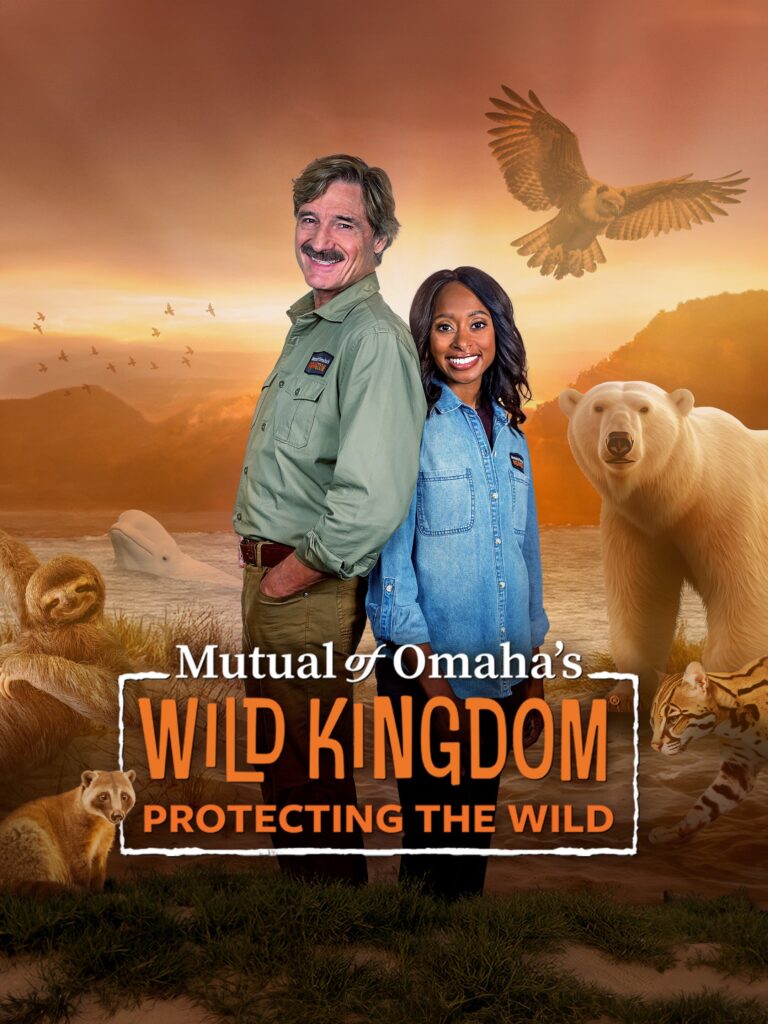
Mutual of Omaha's Wild Kingdom Protecting the Wild takes families on an inspiring journey across the United States to witness remarkable wildlife conservation efforts. Hosted by Peter Gros and Rae Wynn-Grant, this documentary series highlights the dedicated work of conservationists who are making a real difference in saving endangered and imperiled species. Each episode showcases success stories that demonstrate how passionate experts are protecting America's diverse wildlife and their habitats. Through engaging storytelling and expert insights, the series offers an educational look at the challenges facing various species and the innovative solutions being implemented to ensure their survival. Perfect for family viewing, the show combines wildlife adventure with meaningful conservation messages, inspiring viewers to appreciate and care about the natural world around them.
Where To Watch: Mutual of Omaha's Wild Kingdom Protecting the Wild
Mutual of Omaha’s Wild Kingdom Protecting the Wild Reviews From Parents
No written parent reviews yet — be the first!
Parental Feedback
Mutual of Omaha’s Wild Kingdom Protecting the Wild presents wildlife conservation stories with a steady, educational pace that balances informative content with engaging real-world examples. Parents will find the tone consistently optimistic and solution-focused, emphasizing the positive work of conservationists across the United States. The series maintains a family-friendly approach throughout, with hosts Peter Gros and Rae Wynn-Grant guiding viewers through each episode's conservation success stories without overwhelming younger audiences with overly technical details or distressing imagery.
Why Kids Should Watch Mutual of Omaha’s Wild Kingdom Protecting the Wild
This documentary series offers children valuable exposure to real-world conservation efforts and the dedicated professionals working to protect endangered species.
The show features expert hosts Peter Gros and Rae Wynn-Grant who demonstrate genuine passion for wildlife protection, providing young viewers with positive role models in the scientific community. Their enthusiasm for conservation work is evident throughout each episode.
Children gain insight into the practical aspects of species preservation, learning how conservationists apply scientific methods to help imperiled animals across the United States. The focus on success stories provides an encouraging perspective on environmental challenges.
The documentary format exposes kids to diverse ecosystems and wildlife within their own country, fostering appreciation for local biodiversity. Each episode showcases different species and habitats, broadening children's understanding of American wildlife.
The series reinforces the importance of environmental stewardship and demonstrates how dedicated individuals can make meaningful differences in protecting nature. This message empowers children to consider their own potential impact on conservation efforts.
Why Kids Shouldn't Watch Mutual of Omaha’s Wild Kingdom Protecting the Wild
While educational, parents should consider a few aspects before viewing with younger children.
The documentary nature of the content means some episodes may include discussions of species endangerment and habitat loss, which could raise questions or concerns for sensitive children. Parents may need to provide context about these environmental challenges.
The 30-minute runtime and informational pacing may not hold the attention of very young viewers who prefer faster-paced entertainment. Children accustomed to animated programming might find the documentary format less engaging.
Some wildlife footage, while not graphic, may show natural predator-prey relationships or animals in challenging situations that could prompt difficult questions. Parents should be prepared to discuss the realities of nature with their children.
Verdict: Parent Approved
Mutual of Omaha’s Wild Kingdom Protecting the Wild earns approval as an educational, family-friendly series that introduces children to conservation science through positive, solution-focused storytelling.
What Parents Should Know About Mutual of Omaha’s Wild Kingdom Protecting the Wild
| Question | Answer |
|---|---|
| Does this TV Show model positive behavior that my child can understand and repeat? | Yes, the series showcases conservationists demonstrating dedication, scientific inquiry, and environmental responsibility that children can emulate in age-appropriate ways. |
| Does this TV Show include emotional moments my child might find confusing or intense? | The show focuses on success stories, though discussions of endangered species may prompt questions about why animals need protection in the first place. |
| Does this TV Show show consequences for unkind or unsafe behavior? | The series emphasizes positive conservation actions rather than focusing on negative behaviors, illustrating how human efforts can reverse environmental damage. |
| Does this TV Show reinforce helpful social skills like sharing, apologizing, or teamwork? | Yes, the documentary highlights collaborative conservation efforts, demonstrating how teams of experts work together to achieve common goals for wildlife protection. |
| Will my child come away with any clear moral or message? | Children will understand that individual and collective actions matter in protecting wildlife, and that dedicated people can make positive differences for endangered species. |
The Overall Sentiment From Parental Feedback
Parents generally appreciate the educational value and positive messaging of this wildlife documentary series. Many families find the conservation focus inspiring and age-appropriate, noting that the hosts present complex scientific concepts in accessible ways. The emphasis on success stories rather than environmental doom provides an uplifting viewing experience that doesn't overwhelm children with anxiety about species loss. Parents value the opportunity to introduce their kids to real-world science careers and environmental stewardship through engaging wildlife content that the whole family can watch together comfortably.
Mutual of Omaha's Wild Kingdom Protecting the Wild Official TV Show Trailer
Why Kids Love Mutual of Omaha's Wild Kingdom Protecting the Wild
Kids are drawn to the real-life adventures of wildlife experts Peter Gros and Rae Wynn-Grant as they travel across the United States discovering animals in their natural habitats. The show takes viewers to diverse locations where they encounter species that need protection and support. Each episode showcases actual conservationists working in the field to help imperiled wildlife.
Young viewers connect with the mission of saving animals that face challenges in the wild. The program highlights genuine success stories where dedicated people make a difference for creatures struggling to survive. Kids see how conservation efforts directly impact the lives of real animals across the country.
The documentary format allows children to explore nature alongside the hosts, learning about different species and their environments. Peter Gros and Rae Wynn-Grant guide viewers through the important work being done to protect wildlife. The show demonstrates how people can help animals in need through conservation and scientific research.
With episodes airing on NBC, the series makes wildlife conservation accessible and engaging for family audiences. The thirty-minute format keeps the content focused while covering meaningful stories about protecting imperiled species. Kids appreciate seeing real experts tackle genuine challenges facing animals today.
Episode Guide
| Season # | Episode # | Episode Name |
|---|---|---|
| 1 | 1 | Peter and Rae travel to the Mojave Desert, North America’s driest region, to help conservationists save the Mojave desert tortoise. They explore a groundbreaking program that helps baby tortoises and ensures the survival of the entire species. |
| 1 | 2 | Peter and Rae travel to the coast of Maine to witness the conservation program fighting to save puffins. While Peter travels to puffin habitats on remote coastal islands, Rae visits the original conservationist who brought this species back to Maine. |
| 1 | 3 | Peter ventures to Florida with naturalist David Mizejewski, where they meet the experts battling to protect endangered sea turtles and at-risk manatees, collect valuable data from sea turtle nests, help track down two vulnerable manatees, and more. |
| 1 | 4 | Peter and Rae witness the nightly emergence of 20 million Mexican free-tailed bats and help release rehabilitated bats on Austin’s Congress Bridge. Peter joins bat rescue experts; Rae helps vaccinate bats against a disease wreaking havoc on the species. |
| 1 | 5 | Peter and Rae join forces with conservationists in St. Louis trying to help save a local indicator species in dire need: the Ozark hellbender. Rae meets the scientists who are breeding these solitary salamanders with the hopes of saving the species. |
| 1 | 6 | Peter and Rae sail to California’s Channel Islands to unravel the secrets of one of the smallest foxes on Earth and learn about the modern-day challenges to fox survival and the critical role that the bald eagle plays in their evolution. |
| 1 | 7 | Peter and Dr. Rae visit Washington state, where conservationists work with beavers to restore spawning grounds for endangered salmon. They learn how native tribes relocate beavers from dangerous situations and help build artificial beaver dams. |
| 1 | 8 | Peter and Dr. Rae discover that North American birds and bats are flying in the face of danger. They meet conservationists fighting to save the North Atlantic puffin, spot a bald eagle nest in California and witness millions of wild bats in Texas. |
| 1 | 9 | Peter and Dr. Rae join conservationists in a desperate race to save kelp forests. Home to countless species, kelp forests form the biological backbone of the ocean food chain, but climate change has unbalanced this ecosystem. |
| 1 | 10 | Peter and Dr. Rae explore triumphant stories of wildlife conservation with some of Earth’s newest, tiniest baby animals, including Florida sea turtle hatchlings, an adorable puffin off Maine’s coast, desert tortoises in the Mojave Desert and more. |
| 1 | 11 | Peter and Dr. Rae visit a remarkable animal rehabilitation center in the Pacific Northwest and meet with the veterinarians, animal rescuers and residents dedicated to saving amazing creatures, including orphaned bear cubs and an injured bald eagle. |
| 1 | 12 | Dr. Rae and Peter demystify a misunderstood canine, the wolf. Peter spots an endangered red wolf in the wild and helps with a health checkup for a new litter. Dr. Rae learns about gray wolves during a visit to Minnesota’s Wildlife Science Center. |
| 1 | 13 | Peter and Dr. Rae adventure through Florida to discover the results of a new wildlife corridor protecting animal migration and endangered species recovery, learning how vital it is to species like the Florida panther, black bear, alligator and more. |
| 1 | 14 | Peter and Dr. Rae explore the many challenges facing the endangered sea otters off California’s coast. Peter cruises Monterey Bay to survey white sharks invading otter territory and Dr. Rae helps feed sea otter super moms at the Aquarium of the Pacific. |
| 1 | 15 | Peter and Dr. Rae explore an issue that hits close to home — protecting urban wildlife whose natural habitat puts them in conflict with humans, often in harm’s way. Peter learns the story of P-22, a Los Angeles mountain lion. |
| 1 | 16 | Peter and Dr. Rae meet real-life superheroes of science who are developing cutting-edge tools for protecting the wild. Dr. Rae visits a California marine laboratory growing an army of giant sea stars to try to save the giant kelp forests. |
| 1 | 17 | Peter and Dr. Rae see firsthand how forward-thinkers are using innovation for wildlife restoration. In Washington, Peter helps install artificial beaver dams designed to kick-start a ravaged ecosystem through a natural partnership with wild beavers. |
| 1 | 18 | Peter and Dr. Rae travel to California’s Death Valley to see one of the most endangered fish species on Earth. Only a few hundred of these pupfish exist in Devils Hole, a deep-water cavern where conservationists carefully guard their population. |
| 1 | 19 | Dr. Rae and Peter head to the California coast to get up close and personal with one of the wild’s most prolific predators, the great white shark. In Santa Barbara, they paddle out for a face-to-face meeting with a young great white. |
| 1 | 20 | Peter and Dr. Rae explore the Gulf Coast to learn about one of North America’s rarest birds, Attwater’s prairie chicken. Peter meets with wildlife refuge specialists in Texas and Dr. Rae visits a wildlife center working to rejuvenate the population. |
| 1 | 21 | |
| 1 | 22 | |
| 1 | 23 | |
| 1 | 24 | |
| 1 | 25 | |
| 1 | 26 |
| Season # | Episode # | Episode Name |
|---|---|---|
| 2 | 1 | |
| 2 | 2 | |
| 2 | 3 | |
| 2 | 4 | |
| 2 | 5 | |
| 2 | 6 | |
| 2 | 7 | |
| 2 | 8 | |
| 2 | 9 | |
| 2 | 10 | |
| 2 | 11 | |
| 2 | 12 |