
Little People
Synopsis:
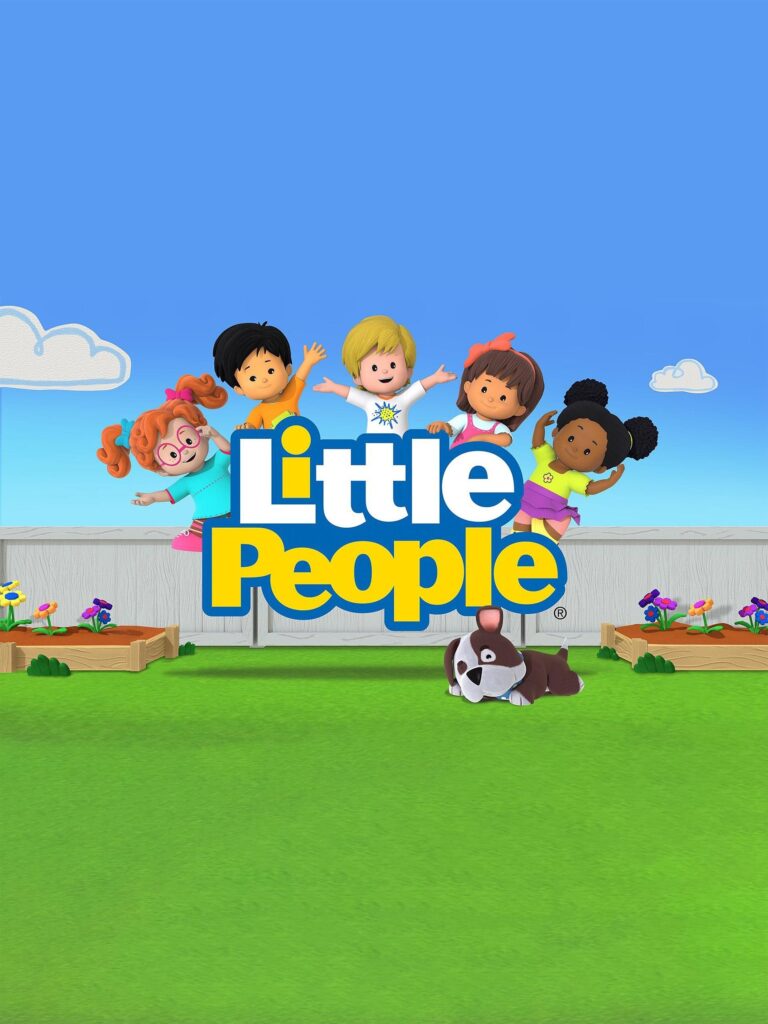
Little People celebrates imaginative and collaborative play through the adventures of five friends: Eddie, Sofie, Koby, Tessa, and Mia. Set in a typical suburban backyard, the show follows these young characters as they embark on playful adventures inspired by their everyday antics. Through their imaginative journeys, the friends discover valuable life lessons about teamwork, patience, and consideration for others. Each episode encourages kids to explore the power of creative play while learning important social skills that help them navigate friendships and cooperation. The series combines comedy with gentle educational themes, making it an engaging choice for young viewers who are developing their understanding of how to work together and treat others with kindness during playtime and beyond.
Where To Watch: Little People
Little People Reviews From Parents
No written parent reviews yet — be the first!
Parental Feedback
Little People offers a gentle, imaginative viewing experience centered on collaborative play and everyday adventures in a suburban backyard setting. The pacing is calm and accessible for very young viewers, with a lighthearted tone that emphasizes friendship and problem-solving through creative play. Parents can expect straightforward storytelling that introduces foundational social-emotional concepts like teamwork, patience, and consideration in a non-threatening, playful context.
Why Kids Should Watch Little People
This series provides several developmentally appropriate benefits for preschool-aged children.
The show celebrates imaginative and collaborative play, encouraging children to see everyday settings as opportunities for creative adventures. Young viewers watch Eddie, Sofie, Koby, Tessa, and Mia transform ordinary backyard play into engaging scenarios that model how imagination can enhance playtime.
Each episode incorporates valuable life lessons such as teamwork, patience, and consideration, presenting these concepts through relatable situations. The characters work together to solve problems and navigate their adventures, demonstrating practical applications of these social skills.
The suburban backyard setting provides a familiar, comfortable environment that mirrors many children's own play spaces. This relatability helps young viewers connect the on-screen lessons to their own experiences and encourages them to apply similar imaginative thinking in their daily play.
The TV-Y rating and short 15-minute runtime make it well-suited for young attention spans. The brief episodes allow for focused viewing sessions without overwhelming younger children, while the age-appropriate content ensures parents can feel confident about the material.
Why Kids Shouldn't Watch Little People
While generally appropriate, there are some considerations parents should weigh.
The very simple storylines and gentle pacing may not hold the attention of older preschoolers or early elementary-aged children who have moved beyond basic imaginative play narratives. Children seeking more complex plots or action-oriented content might find the backyard adventures too slow or repetitive.
With only two seasons and limited total episodes available, families may quickly exhaust the available content. The small library means children who enjoy the series may repeatedly request the same episodes, potentially leading to viewer fatigue for parents.
The emphasis on a typical suburban backyard setting, while relatable for some, may not reflect the diverse living situations and play environments of all families. Children without access to similar outdoor spaces might find it harder to directly apply the play scenarios to their own circumstances.
Verdict: Parent Approved
Little People earns approval as a safe, gentle introduction to collaborative play and basic social-emotional learning for the youngest viewers.
What Parents Should Know About Little People
| Question | Answer |
|---|---|
| Does this TV Show model positive behavior that my child can understand and repeat? | Yes, the characters consistently demonstrate teamwork, patience, and consideration through their collaborative play and imaginative adventures. |
| Does this TV Show include emotional moments my child might find confusing or intense? | No, the content maintains a consistently lighthearted, gentle tone appropriate for the TV-Y rating without emotionally challenging scenarios. |
| Does this TV Show show consequences for unkind or unsafe behavior? | The series focuses primarily on positive modeling and collaborative problem-solving rather than depicting negative behaviors and their consequences. |
| Does this TV Show reinforce helpful social skills like sharing, apologizing, or teamwork? | Yes, the show explicitly teaches valuable life lessons including teamwork, patience, and consideration through the characters' playful interactions. |
| Will my child come away with any clear moral or message? | Yes, each episode centers on specific social-emotional concepts like collaboration and patience, presented through relatable backyard adventures. |
The Overall Sentiment From Parental Feedback
Parents generally appreciate Little People as a safe, age-appropriate option for very young children, particularly those in the toddler and early preschool years. The emphasis on imaginative play and basic social skills resonates with caregivers seeking gentle educational content without overstimulation. Some parents note the limited episode availability and simple storylines as drawbacks, especially for families with older preschoolers who may need more engaging content. The TV-Y rating and short episode length receive positive mentions for fitting easily into daily routines. Overall, feedback suggests the series succeeds as an introductory program for the youngest viewers but may have limited longevity as children develop more sophisticated viewing preferences.
Little People Official TV Show Trailer
Why Kids Love Little People
Kids love watching Eddie, Sofie, Koby, Tessa, and Mia turn an ordinary suburban backyard into a launching pad for imaginative adventures. The colorful world they create together makes everyday play feel exciting and full of possibilities.
The show celebrates how these friends work together to solve problems and help each other out. Young viewers see the characters practice patience and consideration as they navigate their playful antics and collaborative games.
Each adventure demonstrates the power of teamwork, showing kids how friends can accomplish more when they combine their ideas and efforts. The characters' imaginative approach to play inspires children to see their own backyards as places where anything can happen.
The bright, engaging setting and relatable suburban backdrop make it easy for kids to connect with the characters' experiences. The show's focus on friendship and creative play resonates with young audiences who enjoy seeing how imagination transforms ordinary moments into extraordinary adventures.