

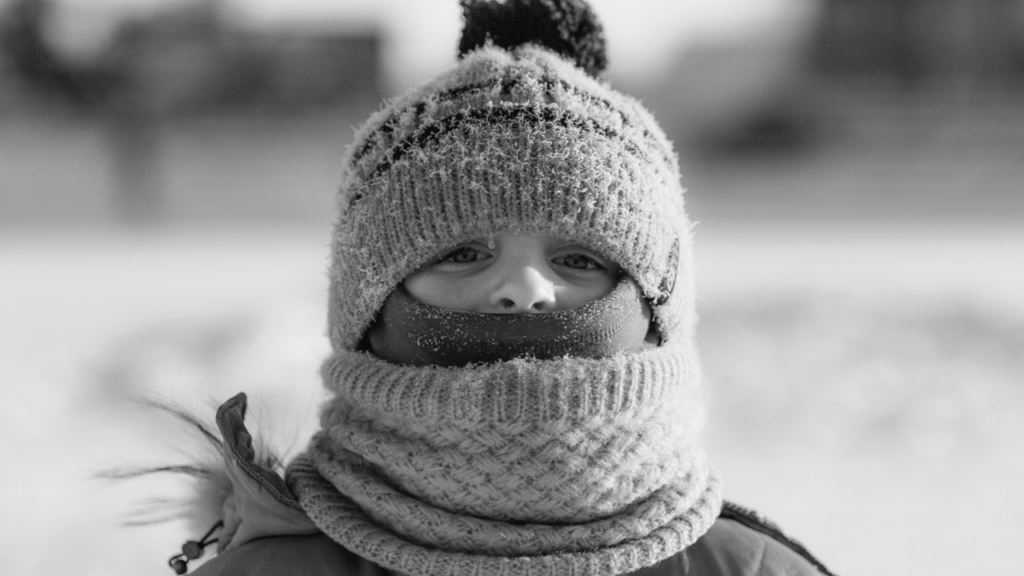
Getting children dressed for unpredictable weather could become easier thanks to AccuWeather’s latest app feature, School Day Forecast. The tool helps families prepare for changing weather conditions throughout the school day.
Parents can customize forecasts around school drop-off, dismissal, bus pickup, and after-school activities. The feature also recommends appropriate clothing and reminds families to pack raincoats or umbrellas when necessary.
AccuWeather Chief Meteorologist Jon Porter told Parents that the feature combines localized forecasts with “clear, actionable guidance so parents and kids can be best-prepared for the day ahead and stay safer.” It also provides three-day predictions of potential weather-related school closures in areas prone to storms and heavy snowfall.
Why Dressing Kids for the Weather Is Important
Wearing weather-appropriate clothing helps protect children from potentially dangerous conditions, including hypothermia and frostbite. Younger children are particularly vulnerable because their bodies lose heat more quickly than adults.
“As a rule of thumb, a child should wear one more layer than an adult, especially babies and nonverbal children,” pediatrician Dr. Yael Smiley explains to Children’s National Hospital. Waterproof footwear, insulated clothing, and warm accessories can also help children remain comfortable outdoors.
Proper clothing also allows children to enjoy outdoor physical activity throughout the winter months. Spending time outside can support children’s physical health, emotional well-being, and sleep quality.
What to Do When Kids Refuse to Dress for Cold Weather
Children may resist wearing winter clothing because they find it uncomfortable, restrictive, or unfashionable. Parents can begin by identifying why their child dislikes particular clothing rather than immediately turning the situation into a power struggle.
Offering children a choice between two weather-appropriate outfits can encourage independence while maintaining safety. Parents can also explore the recommendations from St. Louis Children’s Hospital for handling resistance to bundling up.
For children with sensory sensitivities, consider softer fabrics, lightweight thermal layers, or less restrictive jackets. Allowing children to participate in choosing winter clothing may also encourage cooperation.
Parents should establish clear safety boundaries during particularly cold or dangerous weather. Checking forecasts together can become an educational daily routine that helps children understand why appropriate clothing matters while gradually developing their independence.

