


Choosing a name for your baby feels like one of the most personal decisions you will ever make, and for a surprising number of parents, it also becomes one of their deepest regrets. Baby name consultant Collen Slagen says name regret is far more widespread than most new parents would ever guess, a claim backed up by survey data, celebrity confessions, and a flood of anonymous testimonials from parents who wish they had chosen differently.
The numbers tell a story that many parents are too embarrassed to share out loud. A BabyCenter survey of more than 450 mothers found that roughly 9% of respondents wished they could go back and choose something different.
A separate 2020 survey conducted by UK parenting forum Mumsnet found that 20% of parents felt their chosen name had become too common, while another 20% admitted they never truly loved the name at all but gave in to outside pressure. According to Nameberry, name regret is estimated to affect between 10 and 20% of new parents, yet the shame surrounding it keeps most people from ever speaking up.
Professional name consultants see this firsthand. Nearly half of all inquiries received by name consulting professionals involve parents who are already second-guessing the name they have given their child, underscoring how frequently this happens behind closed doors.
What Triggers Baby Name Regret?
The reasons parents experience name regret vary, but several patterns emerge consistently across surveys. Social criticism ranks among the most painful. In the BabyCenter survey, 15% of mothers reported that someone had outright mocked or criticized the name they chose.
One anonymous mother described the exhausting experience of introducing her son, Kyan, a name that rhymes with Ryan, only to receive the same response every time. As she told BabyCenter, “I named my son Kyan (rhymes with Ryan), but every time I introduce him, most people say, ‘Like cayenne pepper?'”
Personality mismatch is another significant driver. A portion of mothers felt their child simply grew into someone the name did not suit. One mother shared that she spent several months trying to call her newborn son MJ before eventually settling on Maverick Dean, her husband’s middle name serving as the inspiration, because it felt like a far better fit for the boy he was becoming.
Cultural identity adds yet another layer of complexity. Some mothers in the BabyCenter survey said they had chosen a culturally specific name they genuinely loved, but found themselves defaulting to an English name in daily life. One mother of seven children noted that while she did not regret the more distinctly Hispanic names she gave four of her kids, she sometimes wished those names felt more familiar to the people around them.
When Regret Hits — And When It Fades
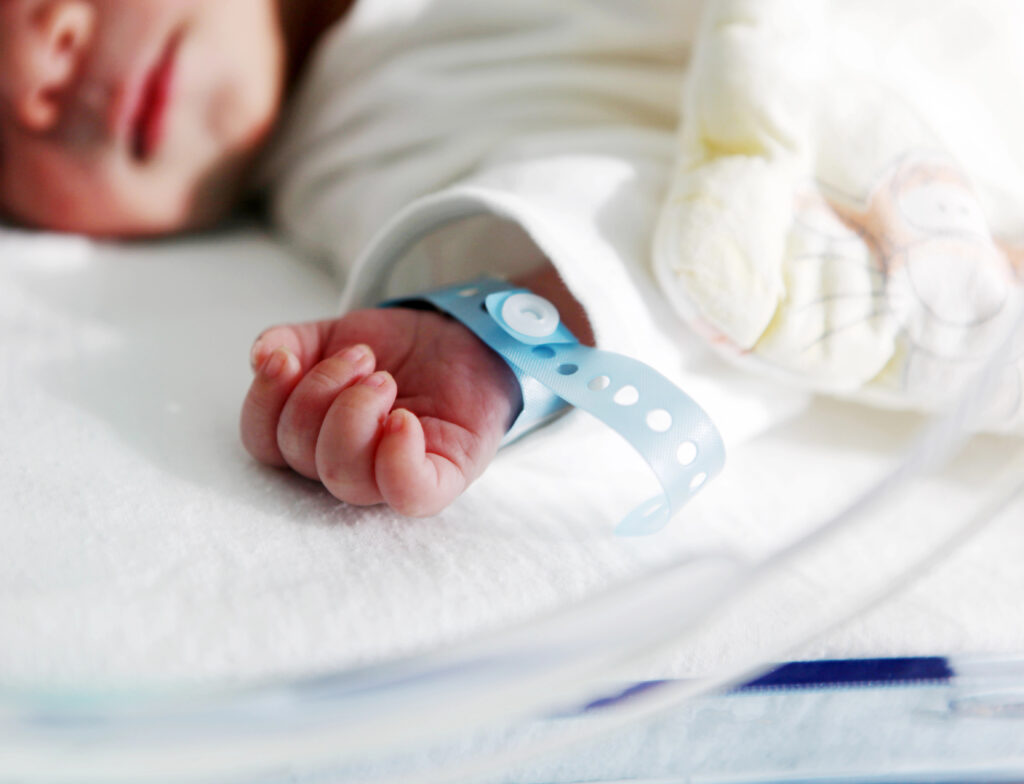
Timing matters when it comes to name regret. BabyCenter’s survey data shows that about 15% of mothers who experienced name regret felt it within the first month after birth, while 21% developed those feelings during the first year. After a child’s first birthday, the likelihood of new regret developing drops sharply, with only 6% of mothers reporting that their doubts first surfaced after that milestone. In other words, if you have made it through your child’s first year without serious misgivings, you are likely in the clear.
That window also matters because it overlaps with postpartum hormonal shifts, which can intensify emotional responses to almost everything, including a name. Nameberry notes that feelings of name regret can be amplified by postpartum depression or anxiety, and that some parents who seek treatment for postpartum mood disorders find their name-related distress diminishes significantly once they are feeling more like themselves.
Celebrities Are Not Immune
Even parents with entire teams of advisors around them have stumbled over this decision. Kylie Jenner famously named her son Wolf before ultimately changing his name to Aire. Reflecting on the decision in her WSJ Magazine interview, Jenner said, “That was the hardest thing that I’ve ever done in my life…I’m still like, ‘Did I make the right decision?'”
Comedian Amy Schumer faced a different kind of regret after naming her son Gene Attell Fischer in honor of a late friend, only to realize, after fans pointed it out, that the name sounded phonetically identical to a word no child wants associated with their name.
On her podcast, Schumer announced the change, explaining that she and her husband had accidentally named their son “genital” — Gene Attell sounding too close for comfort — and that his name was now officially Gene David Fischer. She and her husband, Chris Fischer, completed the legal name change shortly after.
These high-profile examples reflect a broader truth: name regret does not discriminate based on how carefully a parent prepared, and even the most thoughtful choices can unravel under the pressure of real-world feedback.
The Emotional Weight Parents Carry
For parents in the thick of it, name regret can feel genuinely destabilizing. One mother wrote to the BabyCenter community about the visceral discomfort she felt after settling on the name Cleo for her daughter with her husband. “Every time someone calls her by her name, I can’t help but cringe,” she wrote to BabyCenter. “I just want to cry because I don’t know what to do.”
That kind of distress is not unusual. Name regret often comes packaged with guilt, shame, and fear, including fear that the child will resent the name, fear that changing it will cause confusion, and fear that a second choice might turn out to be just as wrong as the first. Nameberry points out that this stigma is itself part of the problem, since the reluctance to talk openly about name regret leads many parents to suffer in silence rather than seek practical solutions.
Most parents who experience name regret do not pursue legal action. Changing a child’s name officially requires filing with a local court and notifying agencies like the Social Security Administration, and the process varies by state. It is time-consuming and can be costly, which is likely why only about 1 in 20 mothers in the BabyCenter survey reported actually completing a legal name change.
Instead, many parents find workarounds that feel more manageable. A significant share of mothers said they had grown to prefer a nickname over their child’s legal name, while others said they relied on their child’s middle name as a daily alternative. Both approaches allow parents to sidestep the formal process while still giving their child a name that feels right in practice.
How To Protect Yourself Before The Baby Arrives
Experts offer several strategies for reducing the risk of regret before you ever sign a birth certificate. Starting the naming process early, well before your due date, gives you time to sit with options rather than scrambling in the final days of pregnancy. Parents who land on a name they discovered recently are more likely to experience regret than those who have had a name on their list for months.
Testing a name out loud is also widely recommended. Practicing introductions, saying “This is our daughter” or “This is our son” followed by the name, can reveal whether a name feels natural or forced before it becomes permanent. It also helps surface potential pronunciation or spelling issues that might frustrate your child for years to come.
If you are still in the hospital and feeling uncertain, you do not have to rush. Most states allow several days between birth and official name registration, and you are not required to finalize the birth certificate before leaving the hospital, despite what staff may imply. That breathing room can make an enormous difference for parents who are not quite sure.
This Matters For New And Expectant Parents
What stands out about baby name regret is how thoroughly it has been treated as a private shame rather than a shared parenting experience. The data suggests it is genuinely common, the emotional toll can be real, and the solutions, from nicknames to legal changes, are more accessible than many parents realize. Normalizing this conversation is not about encouraging careless naming decisions. It is about making sure parents who are struggling do not feel like they are the only ones who have ever been there.
If you are navigating the naming process right now and feeling the pressure, you might also find it helpful to think about how children process and internalize the world around them, including their own identity, as they grow. And if the stress of new parenthood is feeling overwhelming in general, know that the postpartum period brings its own unique pressures that can make every decision feel higher stakes than it actually is.
The name you choose matters, but so does your peace of mind. And according to the experts, there is almost always a path forward, no matter what you decide.

