

Sensitive and Emotional Children Need Extra Support at School and At Home
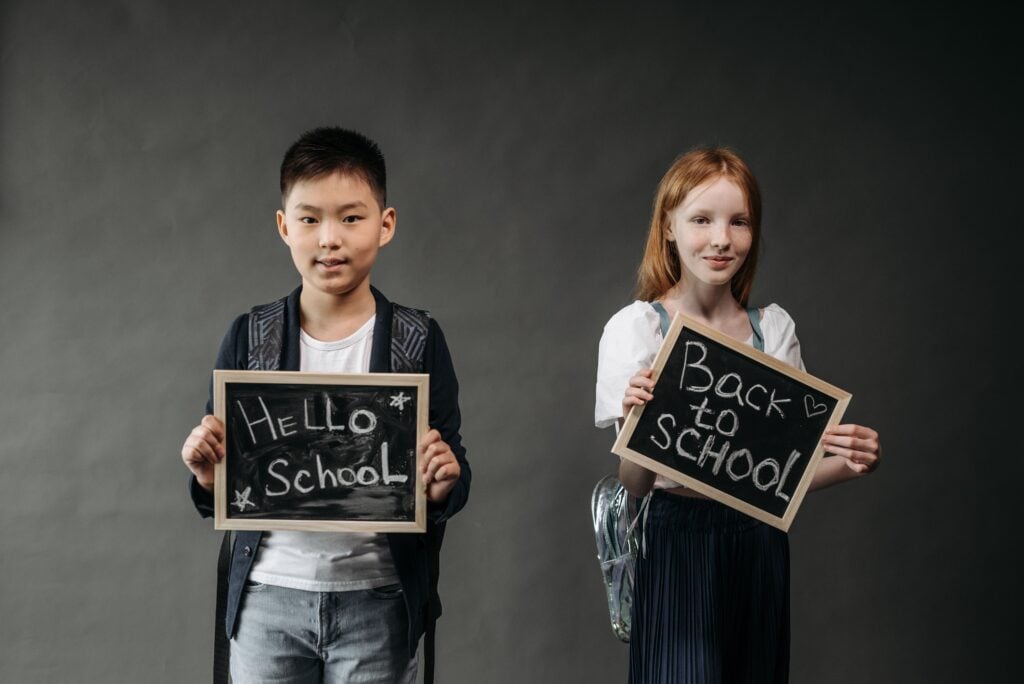
As students and parents prepare for the return to school, kids who are more sensitive may be facing more than the usual first-day jitters. These children often process emotions, social interactions, and sensory input more deeply than their peers, making busy classrooms, loud hallways, and social and academic pressures particularly challenging.
Highly sensitive children may be more affected by criticism, conflict, changes in routine, and overstimulating environments. These students often benefit from educators who recognize their emotional needs and provide predictable, supportive classroom environments. “Highly sensitive children tend to process experiences more deeply and react more strongly to emotional and sensory stimuli.”
Unfortunately, not all schools are equipped to provide that level of support. Experts writing for ADDitude emphasize that students who struggle with emotional regulation, anxiety, or sensory overwhelm often perform best in learning environments that prioritize emotional safety, flexibility, and positive relationships. When those supports are lacking, sensitive children may withdraw, become overwhelmed, or struggle academically.
What Parents Can Do at Home
While parents obviously can’t control everything that happens during the school day, they can create a strong foundation at home. The organization Happy Sensitive Kids recommends helping children prepare for upcoming transitions, maintaining predictable routines, and allowing extra time for emotional processing.
It’s also helpful when parents listen carefully to children’s concerns without immediately dismissing them or trying to solve every problem. “Sensitive children need to feel understood before they can move forward,” the article notes.
Parents can also advocate for their child by communicating with teachers early in the school year about specific triggers, strengths, and coping strategies. Building a partnership with educators helps ensure that children receive consistent support both at home and in the classroom.
Understanding the Challenges Sensitive Kids Face
Being highly sensitive is not a disorder. In fact, research suggests that approximately 15% to 20% of children possess the trait of high sensitivity, according to information obtained by Highly Sensitive Refuge.
However, that heightened sensitivity can create unique challenges. Sensitive children may become overstimulated more quickly, feel social rejection more intensely, or experience greater anxiety about making mistakes. They may also internalize criticism and struggle with confidence if their emotional responses are misunderstood.
At the same time, sensitivity can be a significant strength. Highly sensitive students are often empathetic, thoughtful, creative, and conscientious. “Sensitivity is not a weakness—it is a trait that, when supported, can become a tremendous asset.”
As the new school year begins, experts agree that understanding, patience, and proactive support can help highly sensitive children not just cope in school, but truly flourish.

