

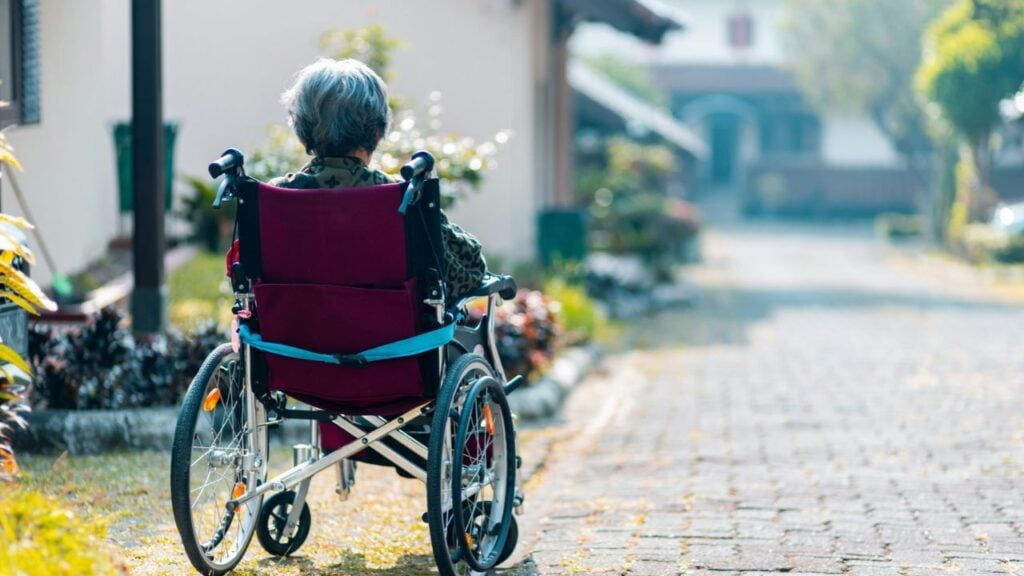
Living with a spouse does not guarantee protection from loneliness and a new study suggested the difference may matter for the aging brain.
French researchers found that older adults who feel chronically lonely face a notably higher risk of dementia, including some who share a home with another person.
What the Study Found

The research, from the University of Bordeaux and published in the journal Aging & Mental Health, followed 3,777 older adults from 1988 to 2018.
Participants reported their feelings of loneliness over time and were sorted into three groups: never lonely, occasionally lonely and chronically lonely. Chronic loneliness meant reporting the feeling at three to four visits over an eight-year span.
In the study’s second phase, 1,540 participants remained eligible. Among them, 49 percent of the chronically lonely developed dementia. That compared with 34 percent of the occasionally lonely and 33 percent of those who were never lonely.

Researchers tied chronic loneliness to a 38 percent higher risk of dementia, while occasional loneliness appeared to cause no harm.
Karine Pérès, a senior researcher at the Bordeaux Population Health Center, said in a press release that the difference between passing and persistent loneliness is “critical.”
Nearly 3 in 10 people in the study lived with another person but described the connection as unfulfilling. The finding pointed to a gap between a person’s living situation and how connected they actually feel.
Yvanna Simon, the study’s lead author, said health professionals should not treat living arrangements as a stand-in for social risk. She urged them to also consider a person’s own sense of connection.
How Loneliness May Affect the Brain
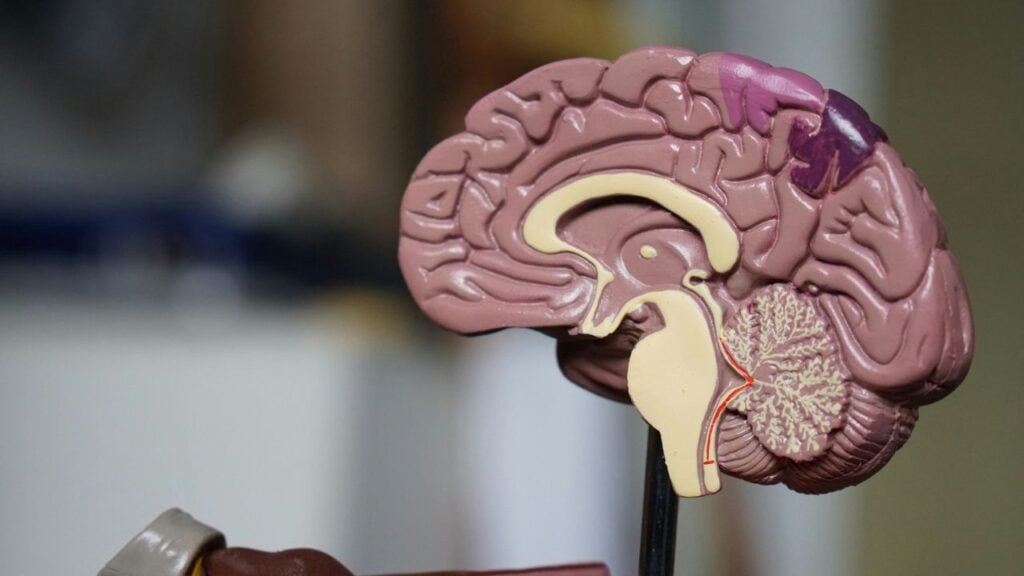
Pérès said long-term loneliness keeps the body’s stress and immune systems in a prolonged state of activation. That sets off a “fight or flight” response, which raises inflammation and weakens the body’s ability to fight disease.
Lonely people also reportedly tend to be less physically active and to eat poorly. Those habits can lead to cardiovascular disease and diabetes, both known risk factors for dementia.
What Can a Person Do

Chronic loneliness has been linked to other serious conditions. Research has tied it to a greater likelihood of irritable bowel disease, multiple sclerosis and cancer. Studies suggest it can add nearly 20 months to a person’s biological age.
The authors called on doctors, social workers and policymakers to expand loneliness screening for older adults and to refer them to social activities. The findings suggested that fighting loneliness takes meaningful connection, not just company.
The study is observational, meaning it showed an association and does not prove that loneliness causes dementia.

