

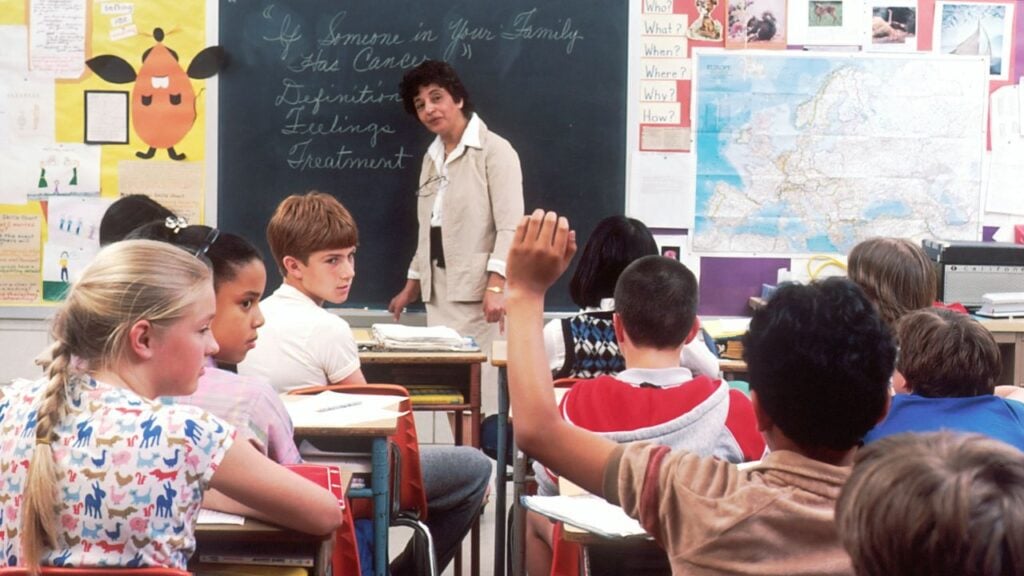
Academic pressure is common in kids. The pressure of tests, homework, co-curricular activities and teachers can be quite high, particularly during exams.
However, if school stress is constant and overwhelming, then children can end up with academic burnout. This can leave them emotionally and mentally drained, with their motivation all but gone and schoolwork simply becomes a chore.
Parents may be the first to notice changes in their child’s behaviour, mood or attitude to school. Spotting these early warning signs can help parents support their child before burnout harms their confidence and school performance.
Here are seven warning signs your child may be experiencing burnout.
1. Constant Exhaustion
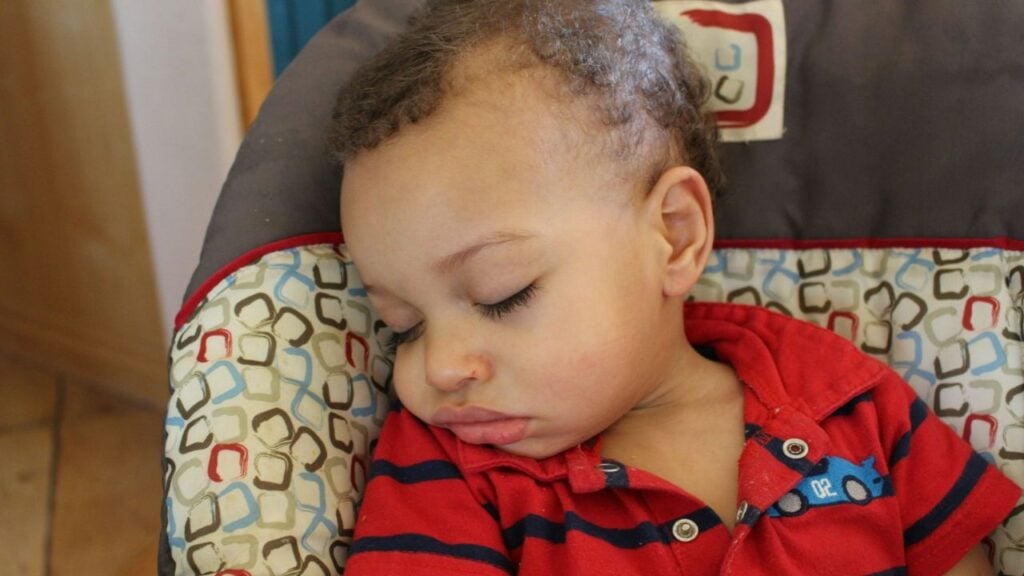
If your child feels tired even after a full night’s sleep, it could be burnout. The mental and emotional stress of school can leave students feeling drained all day.
They may have difficulty concentrating on their homework, lose focus during revision and feel exhausted by the sheer amount of schoolwork.
2. Loss of Interest in School
A child going through burnout may lose interest in the things they used to enjoy. A child who used to love maths or getting their head around science may suddenly lose that interest.
They might say things to the effect of “So what’s the point?” or “I don’t give a damn any more”. They may simply stop getting involved in class, stop attending school activities and be utterly disengaged from the learning process.
3. Increased Irritability or Mood Swings
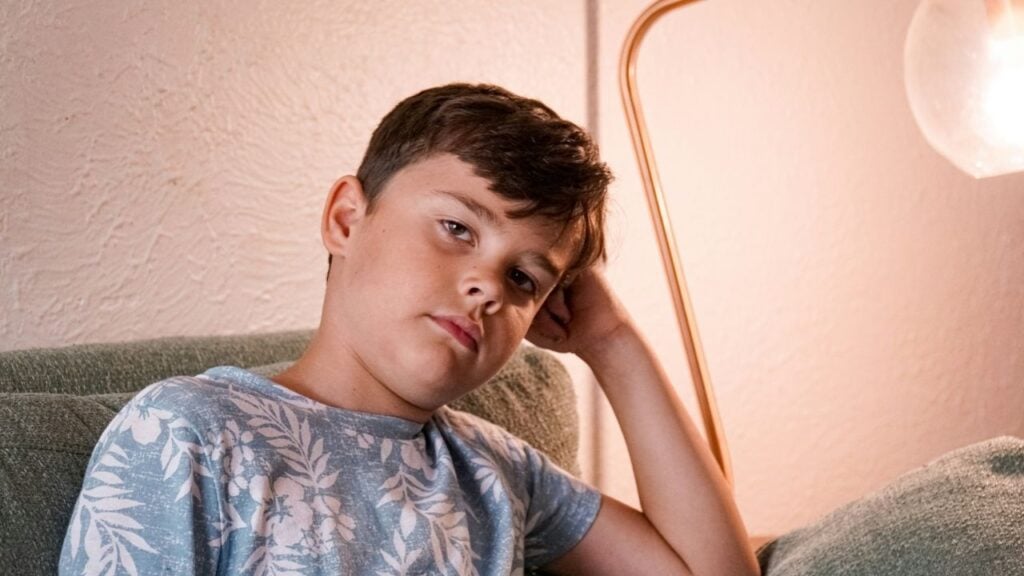
Academic burnout can impact a child’s mood and behaviour. They may get upset about the tiniest errors, react strongly to feedback and easily become frustrated.
You might also see more discussion around homework and studying. They may become quiet, snap at the family, etc or get rather upset when you ask them about their schoolwork.
4. Avoiding Homework or Study Time
Children with burnout may start to put off homework, delay assignments and avoid studying altogether.
This doesn’t necessarily mean they’re lazy. They could be absolutely swamped with work and just not have the energy to get going.
5. Sudden Drop in Motivation

A child who used to work independently will soon need constant prompting to complete even the most basic tasks. They will also likely stop putting effort into their work or exam preparation.
This change in motivation could simply reflect the fact that school demands are starting to take their toll.
6. Physical Complaints Before School
Burnout can show up as physical symptoms. Your child may complain of headaches, stomach aches or just generally feeling unwell before school.
Stress and anxiety can be a factor in these complaints, of course, but if the symptoms are recurrent, then it’s obviously worth discussing it with your doctor.
7. Negative Self-Talk About Ability

Children going through burnout may begin to question their own abilities and start to compare themselves to their peers.
You might hear comments such as:
- I’m just not good at studying
- I’ll never get on at all anyway
- Everyone else is smarter
These negative thoughts can affect the child’s self-confidence and make school even more of a stressor. The comments need to be taken seriously by the parents and support should be offered without any added pressure.

