


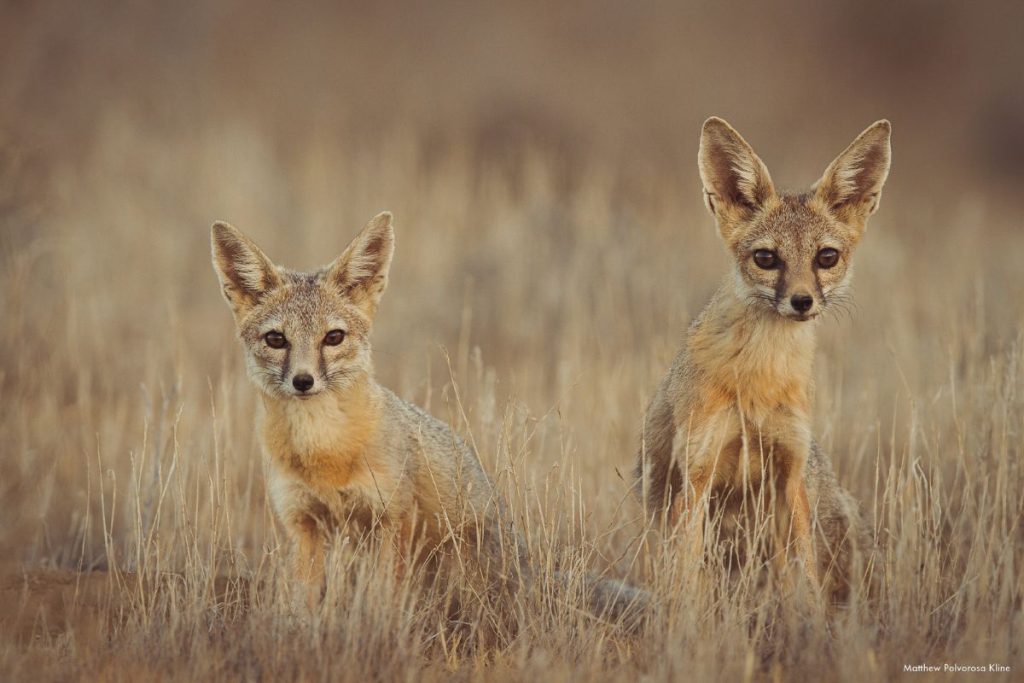
If you’ve ever stayed up worrying about your child, sacrificed comfort for their safety, or wondered whether you’re doing enough as a parent, you may find yourself unexpectedly moved by Nature’s miniseries ‘Parenthood,’ a new five-part documentary series narrated by David Attenborough.
Premiering Wednesday, February 4, 2026, at 8/7c on PBS, the series takes a global look at animal parenting, and in doing so, quietly reminds viewers just how universal the experience of raising children really is.
The Series Paints A Beautiful Portrait Of Animal’s Raising Their Young
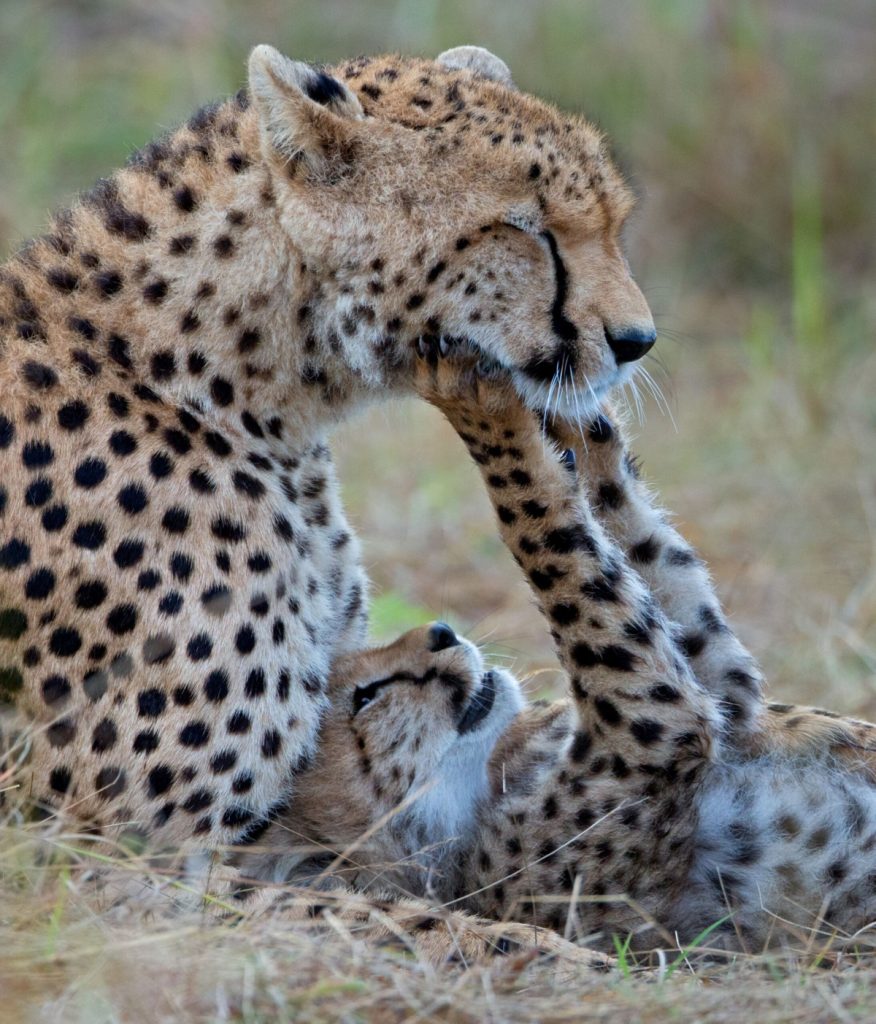
I just finished watching the first two episodes of Nature’s Parenthood with my four children and at its core, Parenthood is about devotion as Attenborough narrates the lives of various animal parents as they navigate harsh environments, limited resources, and constant danger, all in the name of giving their young the best possible chance at survival.
While the settings range from grasslands to jungles to oceans, the emotional throughline feels familiar: protect, teach, adapt, and hope your kids make it through.
My two youngest daughters, ages three and eight, quickly became obsessed with the adorable animal babies, while my 11-year-old son and my 14-year-old daughter were more interested in the hunting/gathering portions of the first two episodes. With that being said, parents should be aware that there is hunter/prey scenarios that play out in typical documentary-style fashion.
As the natural world continues to change, often due to human impact, many of the parents featured in the series must adjust how they raise their young. The stakes couldn’t be higher. In the wild, successful parenting doesn’t just shape a family’s future; it can determine whether a species continues at all.
Producer Jeff Wilson describes the series as “an extraordinary celebration of one of life’s great challenges: raising young,” noting that the team uncovered rarely seen behaviors by working closely with top wildlife cinematographers and experts. The result is a series that feels both awe-inspiring and deeply relatable, especially for parents watching from home.
Episode Guide: What Families Can Expect
Episode One: “Grasslands”
Premieres Wednesday, February 4 at 8/7c
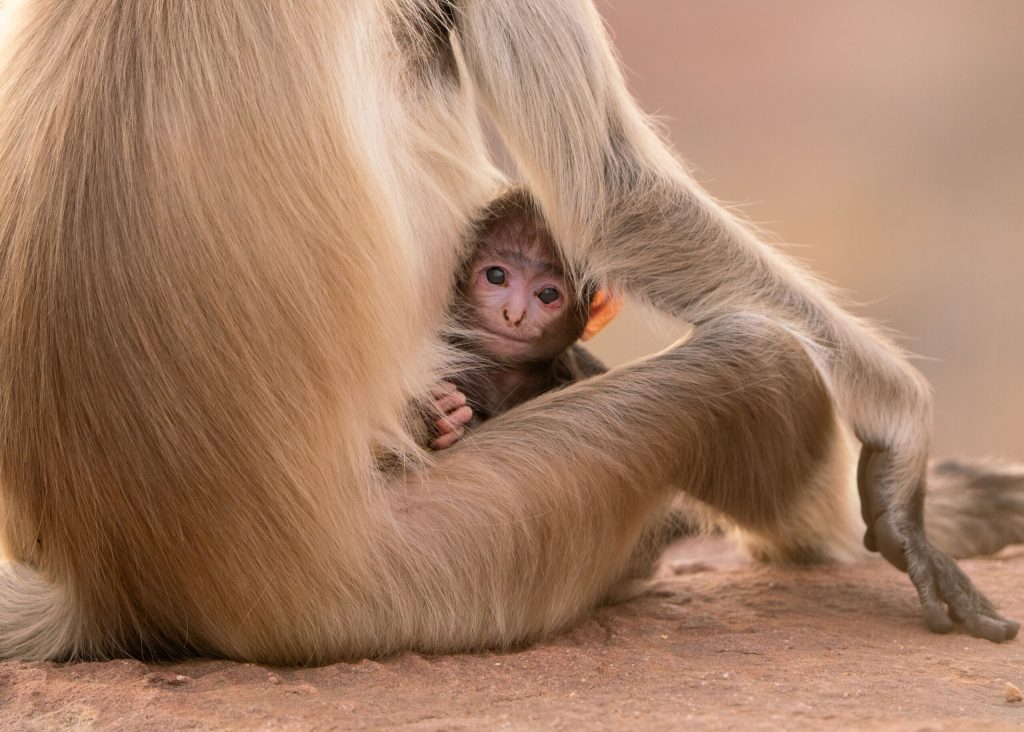
Life on the grasslands demands constant trade-offs. In Zambia’s Zambezi region, wild dog parents struggle to channel the chaotic energy of their growing “teenagers,” while in India, a pregnant langur learns the basics of motherhood by babysitting other young monkeys—something many parents may recognize as learning on the job.
Episode Two: “Freshwater”
Premieres Wednesday, February 11 at 8/7c
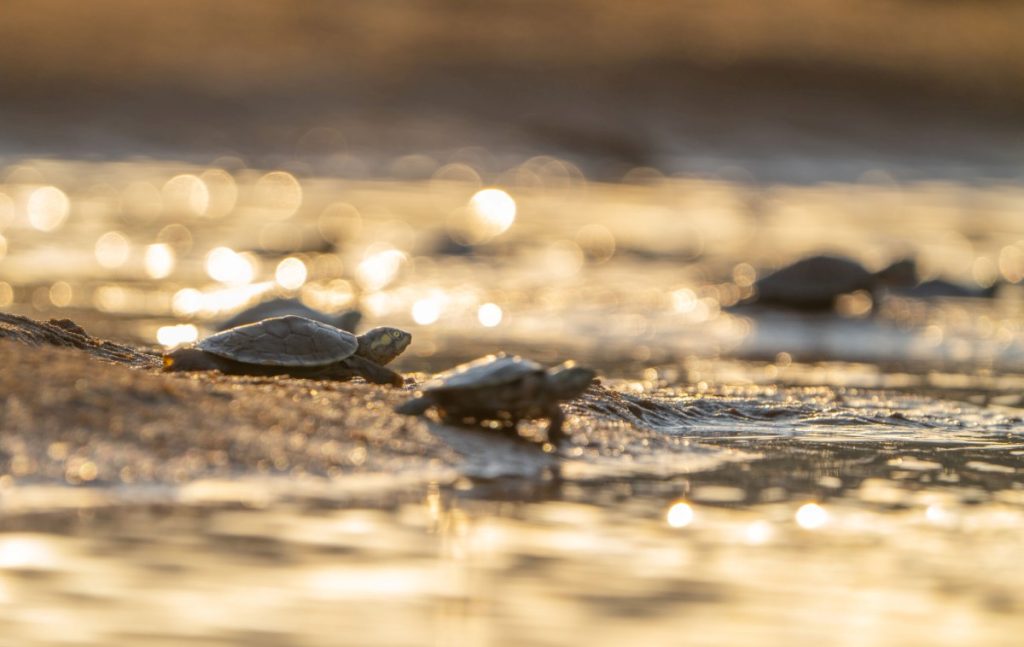
Freshwater environments are unpredictable, and parenting here requires flexibility and endurance. One frog father climbs towering Amazonian trees with tadpoles clinging to his back, while an elephant mother faces an impossible decision: protect her calf or risk everything in search of food and water.
Episode Three: “Oceans”
Premieres Wednesday, February 18 at 8/7c
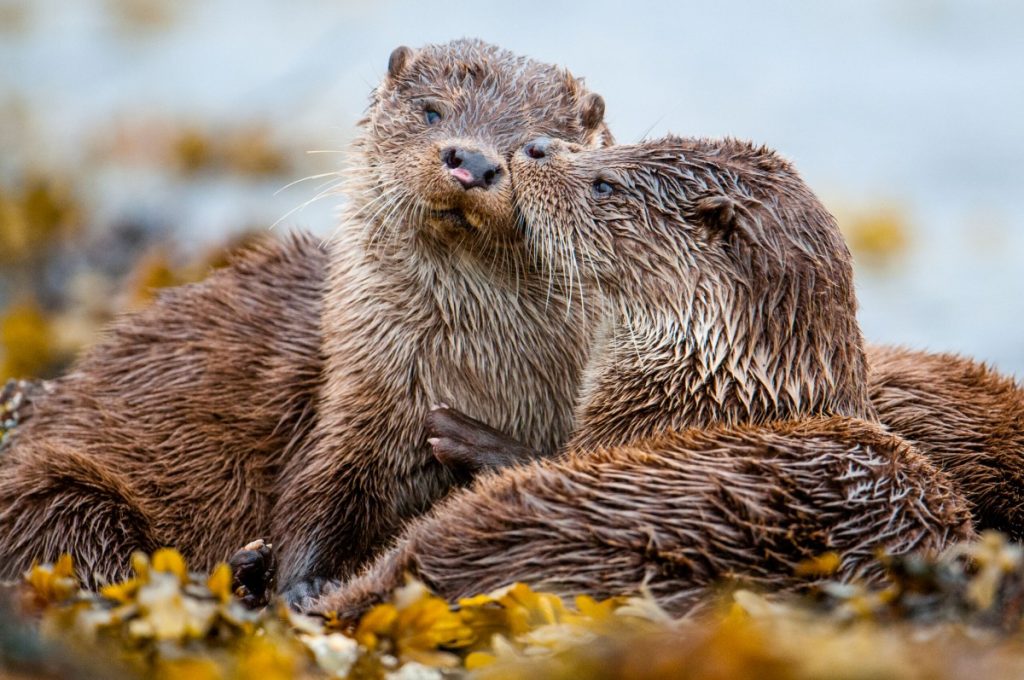
In the ocean, raising young takes intelligence, patience, and long-term teaching. An orca mother in Australia carefully shows her calf how to hunt massive blue whales, while a Banggai cardinalfish father protects his offspring by carrying them safely inside his mouth.
Episode Four: “Jungles”
Premieres Wednesday, February 25 at 8/7c
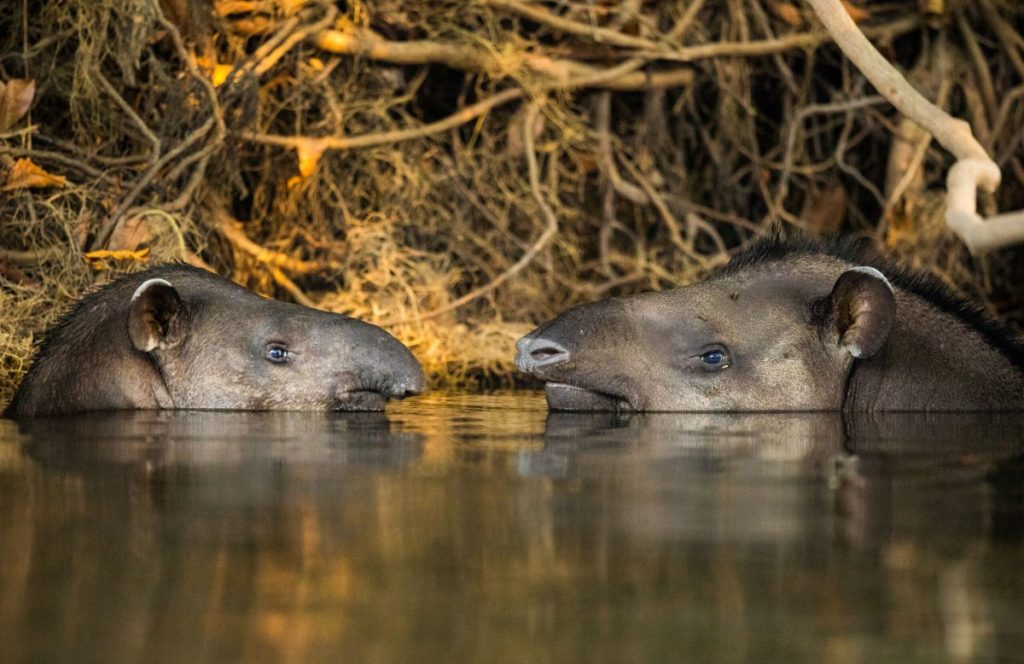
Jungle parenting is all about preparation. An orangutan mother spends eight years teaching her baby everything needed to survive in the trees, while a resourceful crab mother uses chemistry-like precision to create a safe home for her tiny crablets.
Episode Five: “The Greatest Adventure”
Premieres Wednesday, March 4 at 8/7c
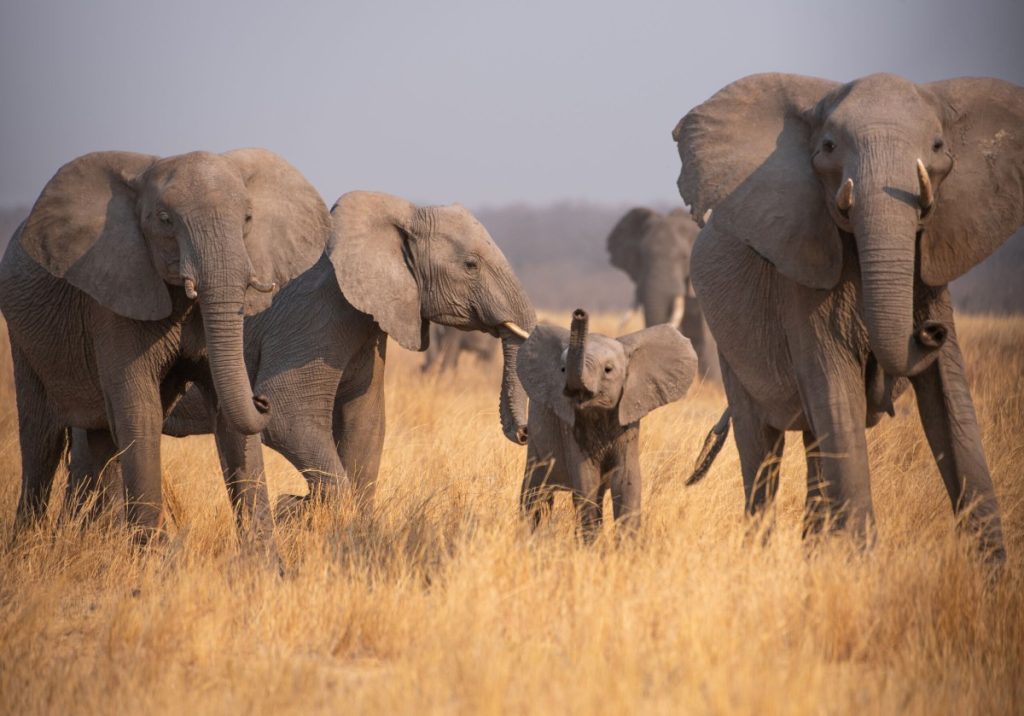
The final episode brings together some of the most dangerous lessons parents must teach. Lionesses guide their cubs through high-risk hunts against massive buffalo, while burrowing owls protect their underground nests by mimicking the sound of rattlesnakes to scare away predators.
Why Nature’s ‘Parenthood’ Miniseries Will Resonate With Families
What makes Nature: Parenthood stand out isn’t just the breathtaking footage or Attenborough’s familiar narration, it’s how clearly the series reflects the emotional reality of parenting. Across species and environments, the instincts are the same: keep your kids safe, prepare them for independence, and adapt when the world changes faster than expected. That aspect of the series will resonate with parents, while their kids enjoy the adorable babies and the thrill of the hunt.
If you’re already a fan of the popular Nature series this option should feel familiar as It continues Nature’s long legacy as one of television’s most respected wildlife documentary franchises. PBS notes that the Nature series has been awarded more than 800 industry honors since 1982, including 21 Emmys and three Peabody Awards.
Nature: Parenthood airs Wednesdays from February 4 through March 4 at 8/7c on PBS and will also be available to stream on PBS.org, YouTube, and the PBS App.
For families who enjoy watching nature documentaries together, or parents who simply appreciate a reminder that raising kids has always been one of life’s hardest and most meaningful challenges, this series is well worth tuning into.