


Federal health experts reported the first child death of the 2026–2027 season and predicted that U.S. flu hospitalizations would continue to rise through at least mid-November.
A child died from influenza A (H1N1) during the week ending October 10, per the Centers for Disease Control and Prevention’s (CDC) most recent weekly monitoring report.
The agency did not release the child’s age, location or vaccination status. Pediatric flu deaths are often reported weeks after they occur, the CDC noted.
What The Forecast Showed About Flu
Hospitals reported about 6,100 lab-confirmed flu admissions during the week ending October 24, up from 4,811 the week before. In a network that tracks hospitalizations in select countries, the adjusted rate was the highest for that point in the season since 2010-11.
For the week ending November 14, the CDC’s FluSight program, which combines data from many modeling teams, projects between 4,800 and 23,200 new flu admissions.
Uncertainty concerning the virus’s rate of dissemination is reflected in the wide range. The high end would be nearly four times the current weekly count.

An early start does not ensure a harsher season, officials warned. Flu-like sickness outpatient visits continued to fall short of the national average. The CDC believes that at least 1 million illnesses, 16,000 hospital admissions and 900 fatalities have occurred since the start of the season.
With 2.5 admissions per 100,000 persons, the federal health region comprising California, Arizona, Nevada and Hawaii had the highest rate. At 0.7, the area encompassing Iowa, Kansas, Missouri and Nebraska had the lowest.
Nearly all subtyped influenza A samples, 98.9%, were H1N1. Adults 65 and older have the highest cumulative hospitalization rate, at 13.3 per 100,000.
What Families Can Do To Keep Children Safe

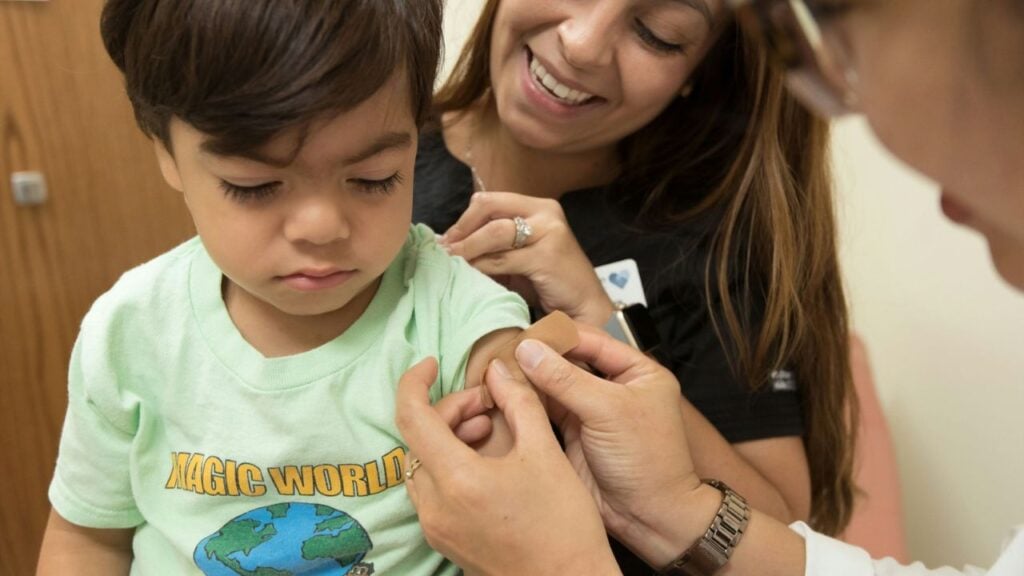
The CDC advised anyone who qualifies but hasn’t received a flu shot to do so right away. Although immunization is still beneficial while the virus is circulating, doses should ideally be administered by the end of October.
A shot this week would be in place by Thanksgiving travel on November 26 because protection takes roughly two weeks to develop. Two doses spaced at least four weeks apart are required for children aged six months to eight years who have never received a vaccination.
People at higher risk who develop symptoms should contact a health care provider quickly, because antiviral drugs work best when started early.

Emergency warning signs include trouble breathing, chest pain, a persistent high fever, confusion or a child who is unusually drowsy or not drinking fluids. Staying home when sick and washing hands also help limit spread.
The flu warning comes as the nation faces another vaccine-preventable threat. The CDC has confirmed 4,852 measles cases in 2026, more than double last year’s total. New York officials have reported the state’s first measles death in about 30 years on November 2.

