

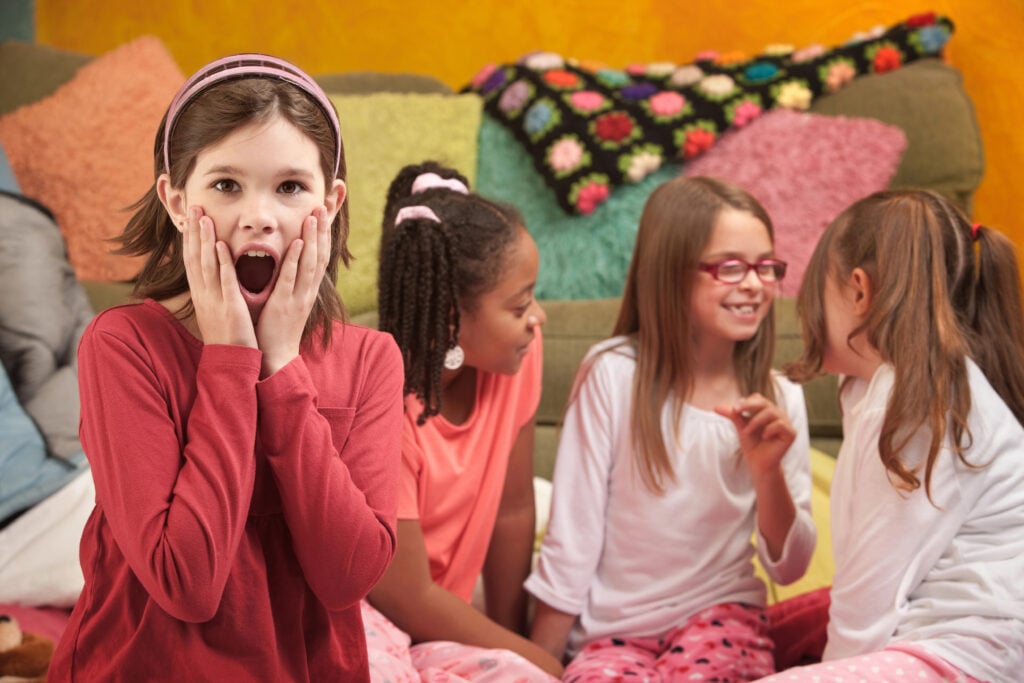
Growing up is hard, and there’s some evidence that it’s extra-hard on girls. (That’s not to deny that boys also have unique struggles and needs that aren’t always being met!)
In fact, there are studies showing that girls are more subject to anxiety disorders, and there’s evidence that social pressures and policing of gender roles play a part in this.
Now the Girl Scouts of America have carried out a survey and are sharing with the world what they’ve learned. While part of this reaffirms why girls are struggling, they’re also telling adults what they need from us.
Growing Up Feels Scary & Intimidating
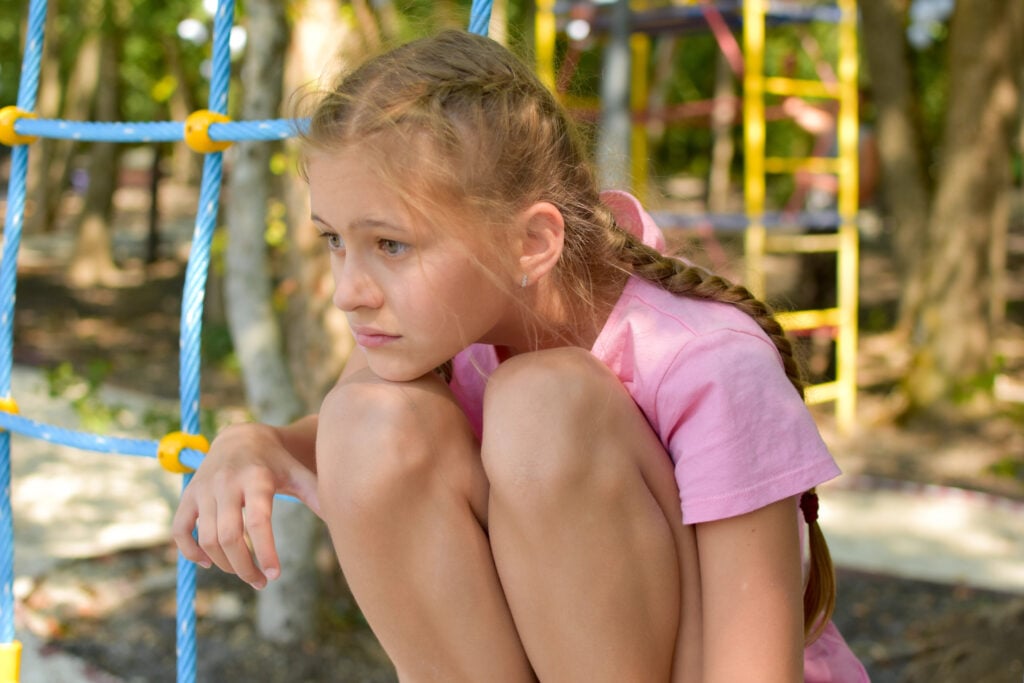
Growing up has always meant taking on more responsibilities, and for girls, this has always been complicated. Classic gender roles might mean that a woman raises children and keeps the household running while her husband goes out to work.
As women have gained the freedom to work outside the home, to go to college, and to make their own choices, the shift hasn’t been as balanced as one might hope. Instead, many women now carry both loads, working full-time while also shouldering more than an even share of childcare and household duties, and a changing economy means that fewer women have any choice about whether they’ll take on both roles.
Then there are dangers associated with dating, childbirth, and even navigating the parking lot at the end of a workday, and there’s a strong message to girls that if they are hurt, it’s because they should have done something different or better.
Girls are getting the message, and they’re getting it early. According to the Girl Scouts’ survey, by the time they’re between the ages of 5 and 7, 41% are already afraid of growing up. By the 8-10 age range, that jumps to 62%, then dips to 60% among girls ages 11-13.
“This data confirms what we’ve long understood: girls are coming of age in a world that’s changing faster than ever, and they’re carrying the weight of that change while still trying to be kids,” said Bonnie Barczykowski, CEO of GSUSA. “That’s why it’s so important for girls to have supportive adults in their lives — like Girl Scout volunteers — who can help them navigate the world around them, build confidence and develop skills that stay with them as they grow.”
Other Data Supports These Concerns
We have ongoing data that shows girls are facing serious struggles in the path to adulthood. One study published in the Journal of Youth and Adolescence in 2016 examined the different trajectories of anxiety disorders and the way they progress over time. Along the way, it affirmed that girls reported higher rates of anxiety and panic symptoms across all areas, and that when anxiety symptoms are high, they tend to stay high.
Another study, published in BMC Women’s Health in 2025, dug into the causes to which girls attribute their anxiety and low mood. Several themes emerged.
These include that educational pressures are “intense and gendered,” and that girls’ behavior and appearances are subject to “strict, narrow expectations.”
It also emerged that girls suffered from disturbances in peer relationships and the pressures resulting from those, and from comparisons and pressures emerging from social media interactions.
Girls also expressed that the way society talks about mental health also has an impact on how they can express their own struggles and seek support.
What Are Girls Asking For?
The Girl Scout survey concludes with five ways adults can support girls and help make growing up feel safer.
“Normalize uncertainty and building confidence: Help girls understand that adulthood doesn’t require having all the answers, reframing the future as an opportunity rather than something to fear.”
Girls (and all kids) need to be reassured that becoming an adult doesn’t require or automatically confer having all the answers. Grownups are still learning, too, and knowing this helps.
“Teach practical, real-world skills: From financial literacy to communication and decision-making, equip girls with the tools they need to navigate everyday challenges with confidence.”
How many of us feel like we finished high school with lots of academic knowledge, but not a lot of practical skills? We can support our kids in some of these skills.
“Create opportunities to try new things: In supportive, low-risk environments, girls can take on leadership roles, test new skills, and build resilience through experience.”
The Girl Scouts is one outlet that provides these opportunities. There can also be opportunities in schools, 4-H groups, local co-ops, rec centers, and anywhere else where you can provide your daughter with a safe place to grow and learn.
“Model healthy and balanced pathways to adulthood: Provide relatable examples of how to manage responsibilities, pursue goals, and maintain well-being in a modern world.”
Girls do need to see that their adults take care of themselves. They need to see their moms taking care of their own needs and not excessively sacrificing their own existence. They also need to know that there are many ways to be a woman.
“Emphasize values, impact, and purpose over perfection: By reinforcing what truly matters, help girls focus on making meaningful contributions and defining success on their own terms.”
Our girls need to know that it’s okay to fail. It’s better to do what matches your values than to do what makes you successful. So many girls get the message that if their work, their art, their projects, their plans aren’t perfect, it’s better to throw them away than be seen falling short. We need to correct this for our daughters.
The Takeaway For Parents
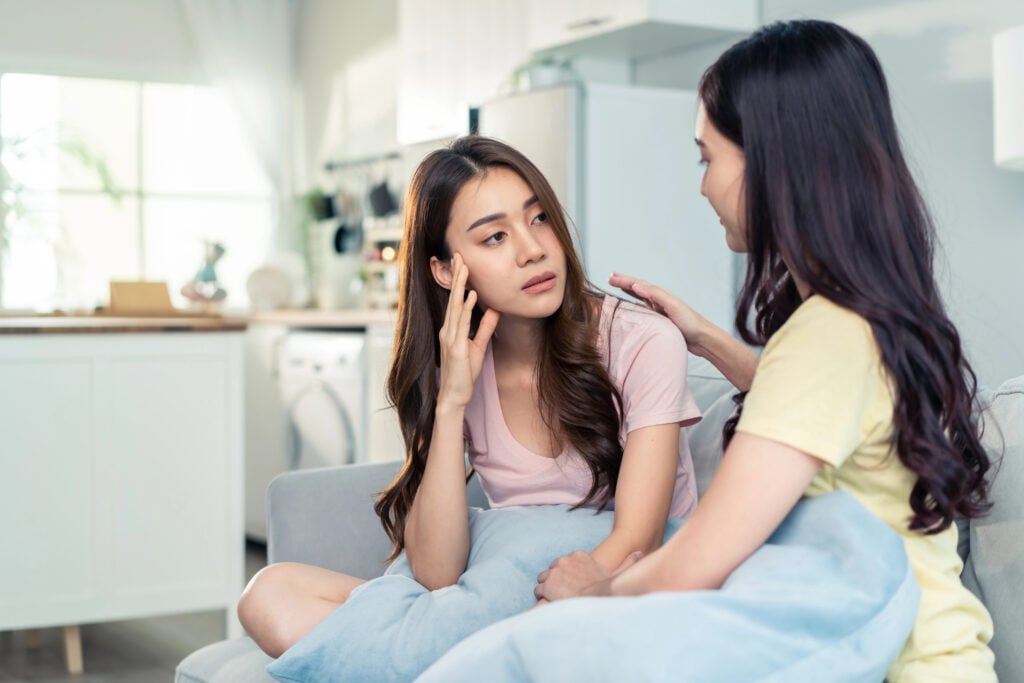
Parents who are spending time with their girls in day-to-day life may already be aware that many of them are struggling with anxiety and worries, although some girls may work to keep their fears hidden or secret.
What’s harder, though, is knowing just how to help our daughters. The Girl Scouts of America team has laid out some ways we can support our girls and help them feel safe as they grow up. That’s a good start.
Maintaining ongoing, open conversations and offering support and understanding are also important.
If at any point you feel your daughter may need more support than you can offer, you can reach out to her school, your local rec, a social services office, or your nearest Girl Scouts group for information on programs in your area that can boost her self-confidence and strengthen her friendships. If needed, speak to her pediatrician about access to therapy or similar programs.
