


Having a baby in the U.S. can cost $10,000 before you even bring your baby home. From prenatal visits and hospital bills to diapers, formula and childcare, the costs can add up quickly. You need to be prepared for both the medical bills and the day-to-day baby expenses in the first year.
A 2025 BabyCenter analysis put the average cost of raising a baby in the first year at $20,384, excluding the cost of the birth itself. That figure includes childcare, feeding and all the nursery supplies and clothing.
Actual costs depend on your location, your family’s health insurance plan and how you give birth. Here are eight costs parents should consider.
1. Prenatal Appointments and Pregnancy Tests
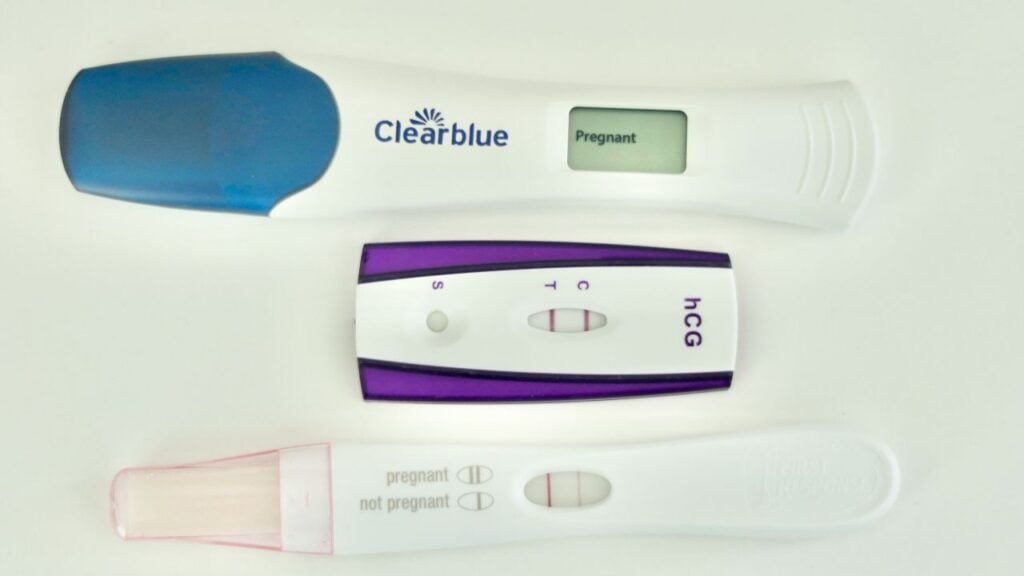
Medical costs start before the baby is even born. Expectant parents will have regular antenatal appointments to monitor the pregnancy and the baby’s development.
These visits may involve blood tests, urine tests, ultrasounds and other tests. Some pregnancies will require extra appointments or tests. Insurance will cover many services, but you may have to pay a copay, meet a deductible or be subject to coinsurance.
Parents should check their policies to see what is covered and what they are responsible for paying.
2. Hospital Delivery and Childbirth Bills
Childbirth is one of the biggest out-of-pocket expenses parents face. The final bill will vary enormously depending on the hospital, the level of insurance coverage, how long you stay and the method of delivery.
A 2025 Peterson-KFF analysis found that the total cost of pregnancy, childbirth and postpartum care was $20,416 on average for women with employer-sponsored insurance. Families paid an average of $2,743 out of pocket.
Parents should contact their insurance company and hospital before delivery to confirm the costs.
3. Postpartum Care and Newborn Medical Expenses
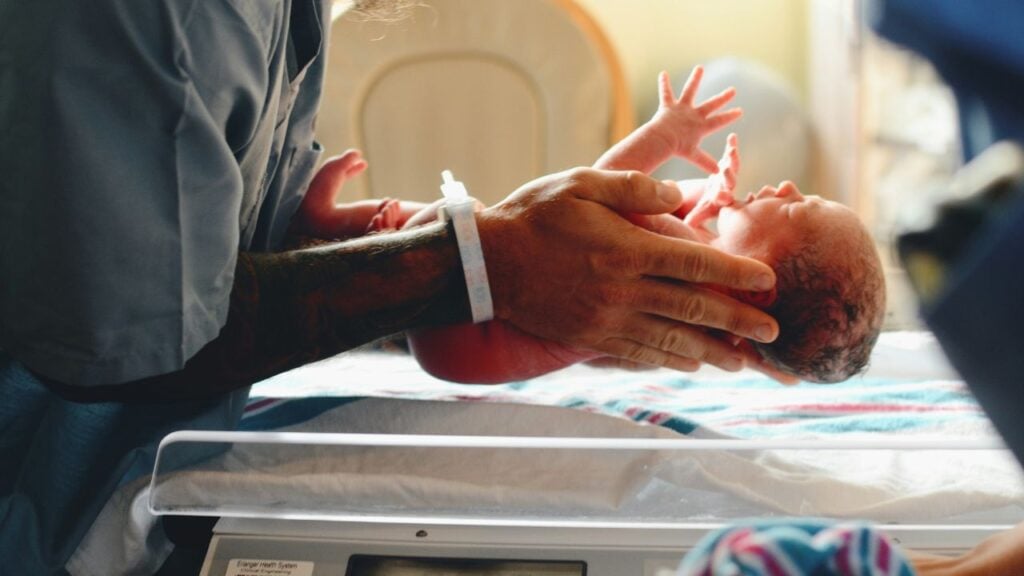
Medical bills can carry on after the birth. The parents will likely require follow-up appointments, prescription medication and recovery care.
Newborns also require medical attention through screenings, checkups and vaccinations. Unforeseen health issues can add to the cost.
The Peterson-KFF analysis found that babies had average healthcare spending of $5,820 in their first few months. Families paid an average of $475 out of pocket.
Parents should check that their newborn is covered and enroll their baby in their plan within the relevant enrolment period.
4. Higher Health Insurance Premiums
Adding a baby will inevitably increase your monthly health insurance premium. If you have employer-sponsored cover, check exactly what your premium will be once you’ve added a dependent.
They should also look at the deductibles, copayments and annual out-of-pocket limits. These figures determine how much the family will pay for doctor visits, prescriptions and other medical services.
Parents without employer coverage can compare family plans and see if they’re eligible for financial assistance.
5. Nursery Furniture and Baby Gear
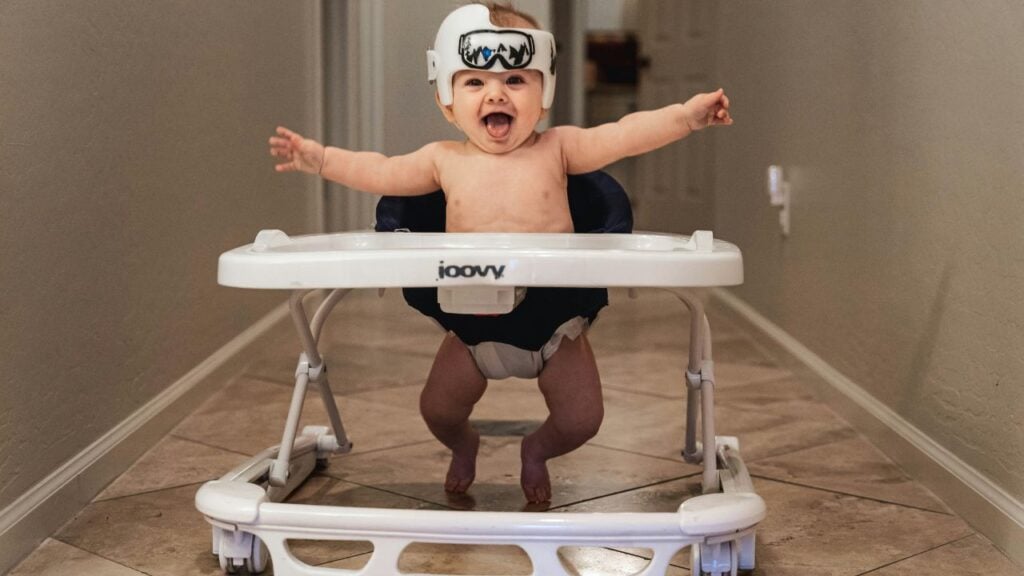
Preparing a nursery can be another significant expense. You’ll probably need a crib, a mattress, a stroller, a car seat, a changing table and a baby monitor.
BabyCenter’s estimate for nursery costs in 2025 was $1,352 and baby gear $956.
Parents can cut spending by creating a baby registry, buying suitable second-hand items and comparing prices. They should always check the safety standards and recalls before buying any second-hand equipment.
6. Diapers, Wipes and Daily Supplies
Diapers are a regular expense that you do need to factor into your monthly budget. A newborn will use quite a few each day, so it adds up.
Families also need the wipes, diaper rash cream and changing supplies. An Urban Institute report estimated that the cost of diapering one child is around $100 a month.
Buying larger packs, looking at store brands and using any available discounts will go a long way toward helping families with these regular outgoings.
7. Formula, Breastfeeding and Baby Food

Feeding expenses depend on how parents choose to feed their baby. If you’re using formula, then you’ll be looking at the cost of the formula itself, plus the bottles and feeding supplies.
Breastfeeding parents will likely spend money on nursing bras, breast pumps and storage bags. As the kids grow, you’ll also need age-appropriate food.
BabyCenter’s estimate for first-year feeding costs in 2025 was $3,535 (formula and solids).
8. Childcare and Babysitting
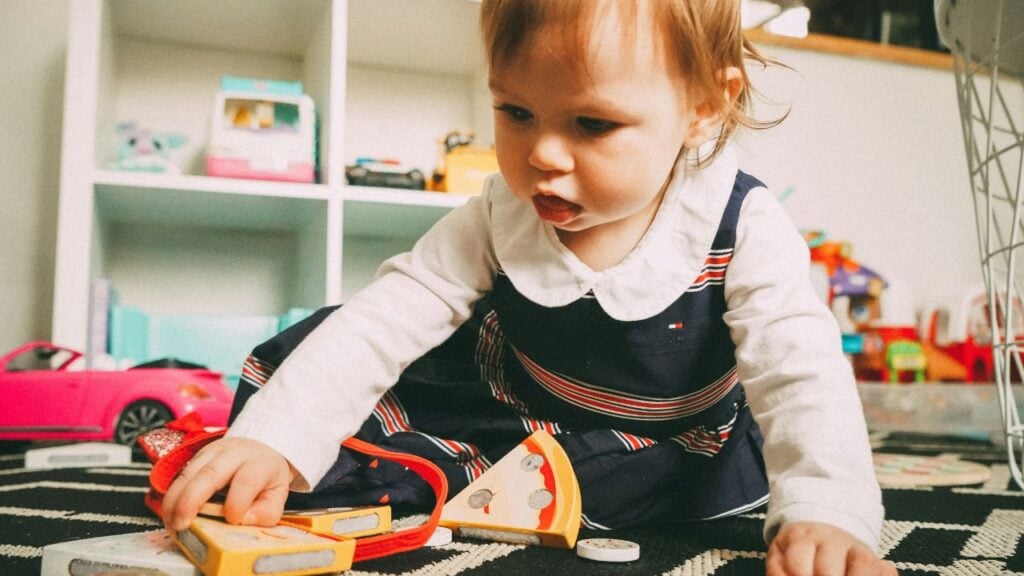
Childcare is one of the highest ongoing costs for working parents. Families returning to work will need some form of childcare, whether that’s daycare, a nanny or a babysitter.
BabyCenter estimates childcare costs at $10,107 for nine months of regular care during the first year of a baby’s life in 2025.
Parents can compare local daycare prices, check availability and review the benefits on offer before the baby’s birth.
Preparing a Baby Budget Before the Due Date
Having a baby is an expense and the costs start in pregnancy and continue through the first year.
Check your insurance, make a list of what you need to buy, and get a feel for the monthly outlay. It’s also worth setting some money aside for the unforeseen medical expenses that will crop up.

