I remember the “period” talk like it was yesterday, which is shocking because it was over 20 years ago. I was in middle school, and there were rumblings about menstruation (periods). At the time, there was no official conversation at school, just gossiping in shock and horror with girlfriends at sleepovers and the school cafeteria.
While at my brother’s ice hockey game, my mom took me for a walk and asked if I knew what a period was, then very delicately told me everything I needed to know as a pre-teen on the cusp of getting her own period. I think I remember the conversation so well because she did it in such a calm, assuring way. It was one-on-one, light-hearted, and no shame around it.
She made it clear that periods were normal and there was nothing to fear or be ashamed of.
By the time I got my period, I felt prepared, and I know it’s because of the conversation I had with my mom (who later bought books on the subject for me to review on my own time).
Today, young girls and boys learn about artificial intelligence online and ask all the questions they need. However, deep conversations about health and hygiene between parents and children are imperative.
Most parents try their best to talk about sensitive subjects in a relatable way to their kids, but when the cat’s got their tongue, experts offer their advice on how to talk to their young girls about menstruation and everything that comes with it.
First Things First: What’s A Menstural Cycle?

The Cleveland Clinic shares that a menstrual cycle is when the uterine lining sheds in preparation for a possible pregnancy during a woman’s reproductive cycle. The menstrual cycle lasts 24 to 28 days, so a woman should naturally get her period once a month.
The biological breakdown of a period is actually quite poetic. It’s incredible how your body knows exactly what to do and how to prepare.
An Understanding Guide to Periods
- Your hormones signal your body to form a thick layer of tissue inside the uterus. The thickness is in case an egg develops; it will have a comfortable, safe place to grow.
- Your hormones will then release an egg
- The egg travels down the fallopian tubes, where it then waits for sperm.
- If the egg is not fertilized (creating an embryo), the uterine lining thins, sheds, and your period begins.
To calculate how many days your menstrual “cycle” is, it’s the first day of your period until the next first day of your period. Periods themselves can last from 2 to 7 days. Every woman’s cycle is different in terms of longevity.
This Is How Experts Suggest Talking To Your Kids About Periods

Important conversations about sensitive topics can take place in many ways. Experts in adolescent medicine and therapies have different approaches to talking about menstruation for the first time. Let’s be real, not every parent and child has the same cozy relationship. Some duos have a hard time communicating, agreeing, and understanding each other.
There are also families where girls don’t have moms in their lives and have a dad or guardian instead. Regardless of the delivery, what matters is that the conversation is had.
Start Talking About Periods Early

Doctor Robyn R. Miller of Nemours Children’s Health suggests having small conversations about periods and the female body leading up to teenagedhood, rather than one larger conversation later. As your child grows, you can elaborate deeper on the subject, growing the conversation as she grows.
Example from Dr. Robyn R Miller: “If your 4-year-old sees a tampon and asks what it’s for, you could say, ‘Women bleed a little from their vagina every month. It’s called a period. It isn’t because they’re hurt. It’s how the body gets ready for a baby. The tampon catches the blood so it doesn’t go on the underwear.”
She suggests bringing up the topic around ages 6 or 7 if they haven’t asked questions by then. It’s wise to ask your daughter what she knows about periods before getting into details. She may know more than you realize.
Be direct and clear.
Have A Period Box That Has Everything Your Daughter Could Need
Dr. Chavone Momon-Nelson is an OB/GYN at the University of Pittsburgh Medical Center, who tried making the period conversion serious but in a fun environment. She took her daughter out to dinner and a movie, where she discussed periods and what they meant. She later took out a gift box and explained to her daughter that, when the time is right, the box contained everything she might need when her period arrives.
Dr. Momon-Nelson clarified that when her daughter seemed uneasy with the conversation, she backed off.
Example from Dr. Momon-Nelson: “I said when the time comes, we have this box here … with all of the things you will potentially need … When it happened, we had all the tools. It was very helpful. It took a lot of stress off the situation, and I feel that she was less embarrassed when it finally happened.”
Boys Need To Understand How Periods Work To Break The Stigma

Dr. Inga Winkler at the Central European University talks about the stigma periods have and why so many young girls are afraid to talk about their periods or ask much-needed questions. Oftentimes, girls are embarrassed by their periods, even though they are universally normal. The embarrassment often comes from misinformation or fear of how boys will react.
Dr. Winkler emplores those with young boys at home (regardless if they have sisters or not) to also talk about periods. The conversation doesn’t have to be as often as it does with girls, but talking about the normalcy of it can go a long way.
One way to introduce periods to your sons is not to keep it a secret from them. Be open and honest about what periods are, why boys don’t get a period, and why it’s nothing to be ashamed of.
Advice from Dr. Winkler: “Not hiding menstrual products when you buy them, not hiding your used menstrual product in the trash. Is it really necessary to wrap my used menstrual product with so many layers [of toilet paper] until it looks like a little mummy? In particular, when trash bins are lined, just rolling them up should definitely work. Or just go with one layer of toilet paper. Let them see that the bleeding is part of your cycle. And talk about your cramps [in front of your kids] when you experience them.”
Create A Period Tracker Together
Professionals at the Women’s Clinic in Mississippi agree that talking about periods in an upbeat way takes the fear out of the conversation. Sometimes, having a serious conversation can add anxiety or shyness to the topic, and what young kids need is a safe space to ask questions.
Along with sticking to the facts about periods, the Women’s Clinic’s professionals tell women to be “prepared” with their own stories and experiences. Sometimes hearing about someone’s personal experiences makes things less embarrassing or frightening — especially when it’s from their mom.
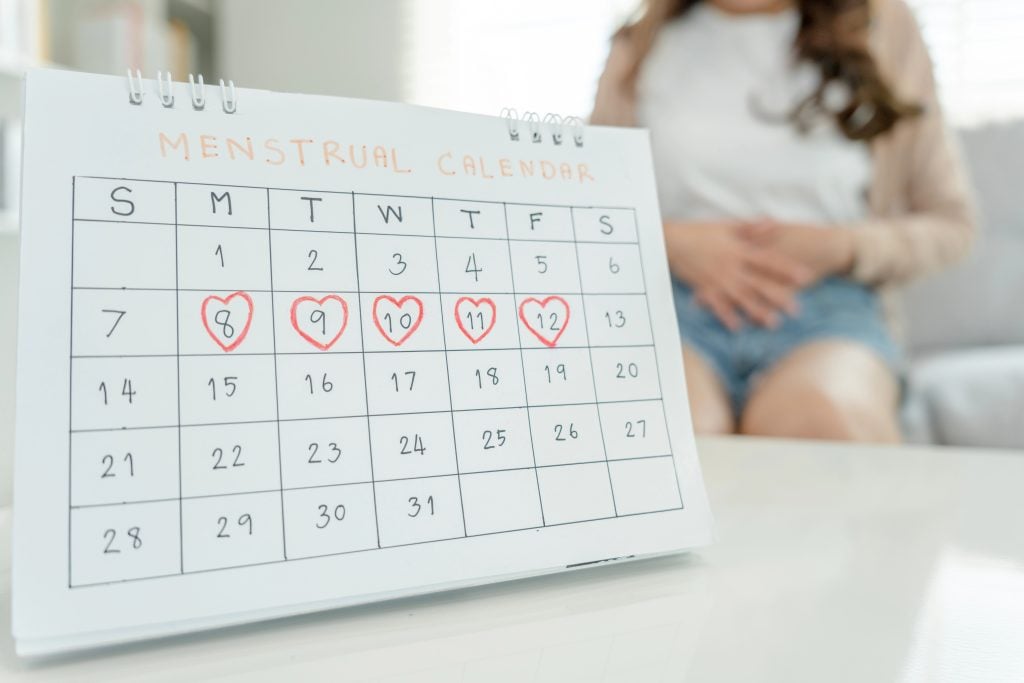
Aside from having period supplies on hand to show your daughter, they also suggest creating or using a period tracker. Creating a period tracker together could be a great way to stay connected during such a sensitive time. The tracker can also share parental advice based on experience, like wearing cozy clothes or relaxing instead of exercising.
Advice from those at The Woman’s Clinic: “Tracking your period is a great way to keep track of your health as a woman. It can also be a helpful tool for planning one’s activities and avoiding potentially uncomfortable situations. Always has a handy period calculator as well as an app to help young people get used to anticipating their menstrual cycle.”
Tackle Myths Together

Unfortunately, there are countless myths associated with periods. Between school rumors and uneducated students, the topic of periods can be taboo.
Experts at UNICEF explained the importance of battling myths and taboos around periods. Along with discussing the biological science behind menstrual cycles, tackling the myths is equally important.
Popular (And Troubling Myths):
- You can’t swim when on your period.
- Avoid exercising when on your period.
- Periods are dirty.
- You can’t get pregnant when you’re on your period.
Talk about these main rumors and ask what your daughter may have heard as well.
Advice from those at Unicef: “Talk to her about the culture of silence around periods and some of the myths. You can explain that often in society, girls can face pressures that try to make them feel ashamed or embarrassed about their bodies … Some girls may even be stopped from going to school, made to avoid certain foods, and in extreme cases, forced to live in isolation.”
A Period Recap
Doctor Mary L. Gavin from Nemours Children’s Health reiterates talking about puberty, sex, and relationships early. Waiting until your daughter is ready to talk about menstruation and her changing body, it may be too late to tackle myths or to have a safe conversation. Casually talking about the normal and healthy changes that will occur as your daughter grows will make the topic a safe zone for them.
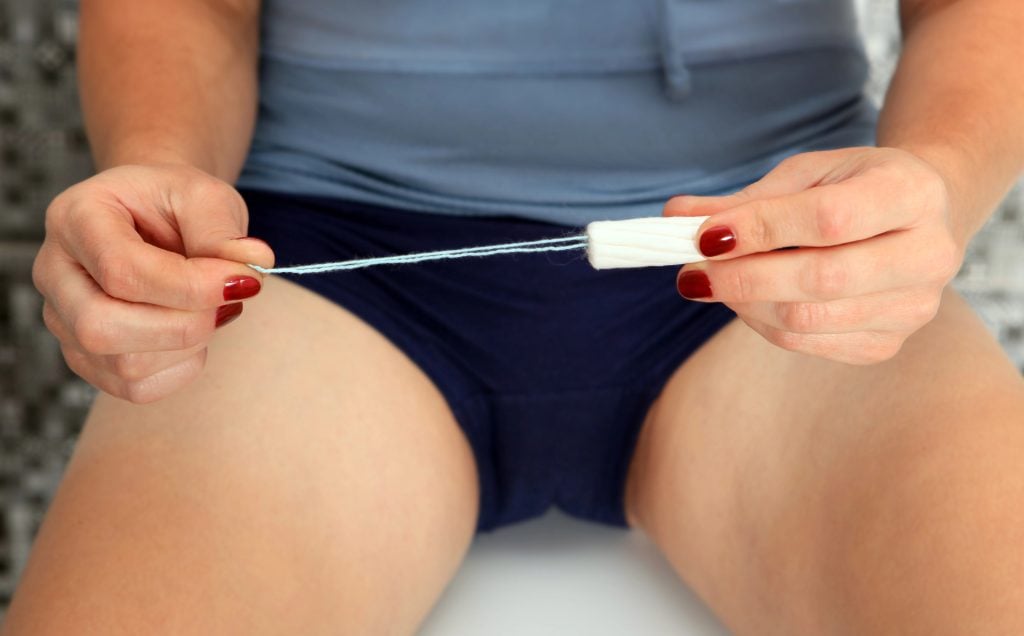
- Mothers should be open about their own periods. Talk about how you’re feeling and don’t shy away from your period staples, like tampons, pads, period undies, or cups. Hiding your period supplies may add to the shame stigma.
- Start casually talking about periods while your daughter is young. Waiting until your daughter hits puberty is probably too late.
- Break down what a menstrual cycle is and why women have them. Create a period tracker or something visual to assist with what’s going on inside their bodies.
- Boys should be just as well-versed in periods as girls are. Educate your sons and let them know periods are normal and nothing to be embarrassed by.
- Talk about period myths so that your daughter feels confident.
- Create a period box so that when your daughter gets her period, she has everything she needs. If she’s not ready to talk about it yet, add instructions in the box or show her how to use each one before her period.
Periods are a woman’s body’s way of preparing them for adulthood. Comfort, sensitivity, and care need to be at the forefront of each conversation as your daughter enters a new phase of life.