

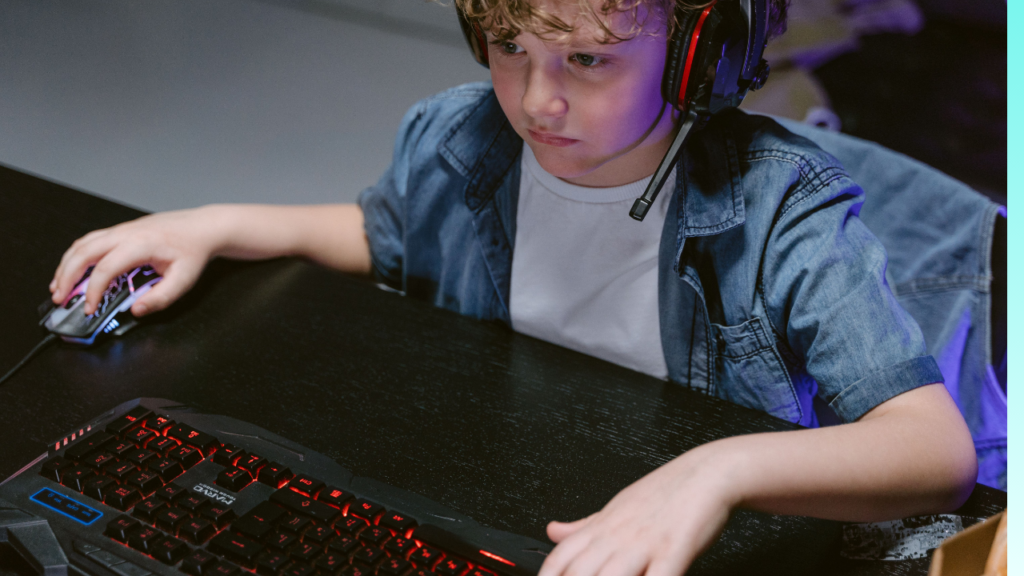
Multiplayer online games can help children make friends, develop teamwork skills and enjoy shared experiences. However, unlike single-player games, multiplayer platforms allow children to communicate with other players through voice chat, messages, friend requests and private groups.
These features can expose kids to cyberbullying, inappropriate language, scams and unwanted contact from strangers. Children may also be pressured to reveal personal information, share photos or move conversations to other platforms.
Sony Interactive Entertainment explains that “multiplayer games combine gameplay with player interaction.” The company also notes that there is “no single age when every kid is ready for multiplayer gaming,” making a child’s maturity and ability to handle online interactions important considerations.
What the Statistics Say About Kids and Online Gaming
Online gaming is already a major part of childhood. According to Internet Safety 101, approximately 76% of U.S. children under 18 play digital games, while children ages 8 to 18 spend about 1.5 hours per day playing them.
Despite how common gaming has become, parental protections have historically been limited. A 2012 Cox Communications study that found just 15% of parents had installed software to restrict website access on gaming consoles. Although this figure is dated, it underscores why families should regularly review the safety features available on their devices. I
Tips Parents Can Use to Keep Kids Safe While Gaming
Start by checking a game’s age rating, communication features and privacy settings before allowing your child to play. Use parental controls to restrict who can contact them, manage voice and text chat, limit spending and set appropriate playtime boundaries.
Teach children never to share their full name, address, school, passwords or current location with people they meet online. They should also know how to mute, block and report players, and understand that they can leave any interaction that makes them uncomfortable.
Finally, take an active interest in your child’s gaming habits. Internet Matters encourages parents to “play together,” explaining that joining a game can help adults understand their child’s interests and create opportunities for conversations about online behavior and safety.

