

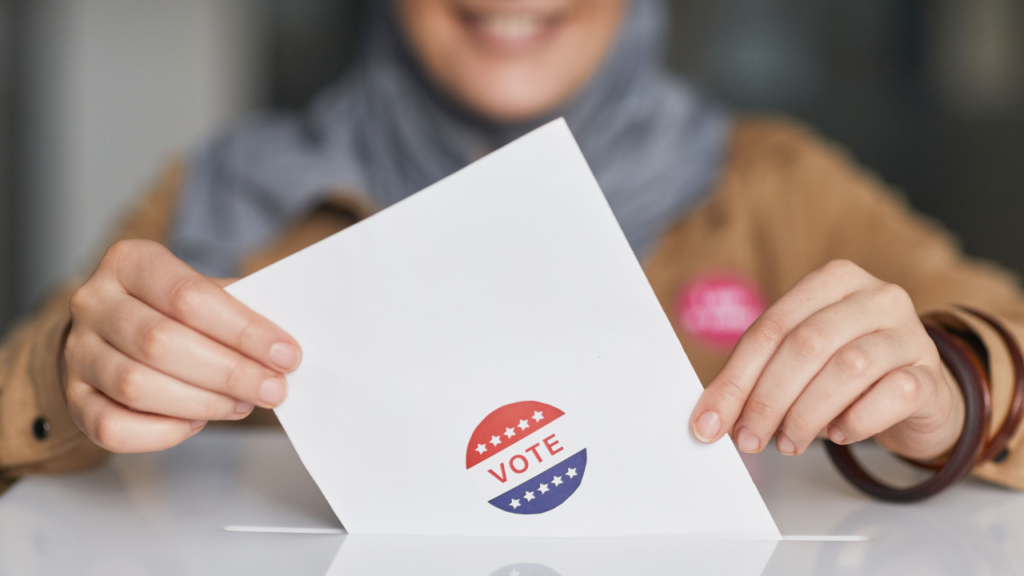
With the 2026 midterm elections approaching on November 3, political discussions are becoming harder for families to avoid. From campaign advertisements to conversations at school, children may have questions about candidates, voting and what election results mean for their future. Parents can use these moments to teach kids about democracy, critical thinking and respectful disagreement.
The midterm elections take place halfway through a U.S. president’s four-year term. According to The Kids Guide, voters elect all 435 members of the House of Representatives and approximately one-third of the Senate, alongside many state and local officials.
A good place to start is to explain to your kids that elected officials have different responsibilities. Congress makes federal laws and helps determine government spending, while state and local officials make decisions affecting communities, schools and public services.
Children can also learn why elections matter without getting caught up in partisan arguments. Parents might discuss how lawmakers influence national parks, education funding and other programs children encounter in everyday life.
Tips for Talking to Kids About the Midterms
In an article for Idaho Education News, counselor Jessica Lecertua recommends creating opportunities for thoughtful, age-appropriate conversations. Her five strategies offer parents practical ways to approach election discussions.
First, make time for questions and think about how to explain complicated issues in terms children understand. Connect political discussions to values such as fairness, respect and community, rather than simply telling children which candidates to support.
Second, model civility by avoiding insults and stereotypes about people with different opinions. Lecertua also recommends teaching children to evaluate news critically, distinguish facts from opinions and recognize potentially biased or misleading information.
Finally, listen to children’s concerns and ask open-ended questions about leadership and community issues. It’s perfectly acceptable to admit when you don’t know an answer and research it together.
How Parents Can Talk About Politics Beyond Election Day
Political conversations shouldn’t be limited to campaign season. According to KidsHealth, asking children what they think and why encourages independent thinking and helps parents address misunderstandings.
If children disagree with your political views, resist the temptation to shut down the conversation. Instead, ask what shaped their opinions and encourage them to support their arguments with evidence.
Parents should also reassure children who feel anxious about political conflict or alarming news stories. Limiting distressing media exposure, discussing concerns calmly and identifying constructive ways to help the community can make children feel more empowered.
Ultimately, talking about elections is an opportunity to teach children that democracy involves participation, curiosity and respect. By keeping conversations open and age-appropriate, parents can help raise informed citizens who are prepared to think critically and engage thoughtfully with the world.

