

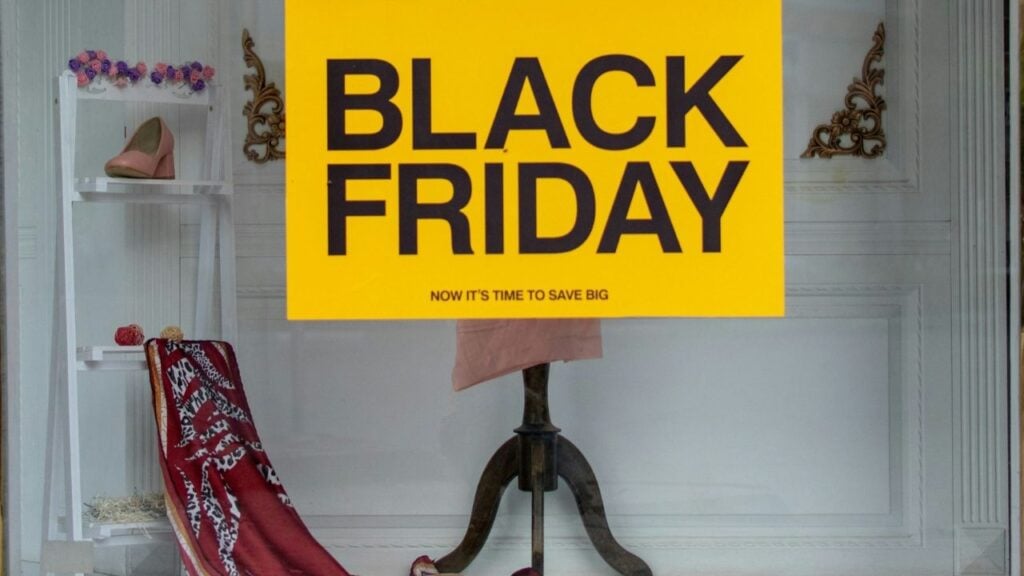
Black Friday is the perfect time for shoppers to bag Christmas gift deals, but not all offers are worth it. While parents try to grab the best deals on game consoles, dolls, toys and other must-have gifts, they could fall into the trap set by scammers looking to cash in on the temptation to splurge.
Warning signs of Black Friday scams include unusually low prices, fake retailer websites, and suspicious delivery messages. Parents can use several of these warning signs to assess whether an online seller is legitimate before spending money on their children’s gifts.
Here are seven red flags to watch for while shopping this holiday season.
1. The Discount Looks Too Good to Be True
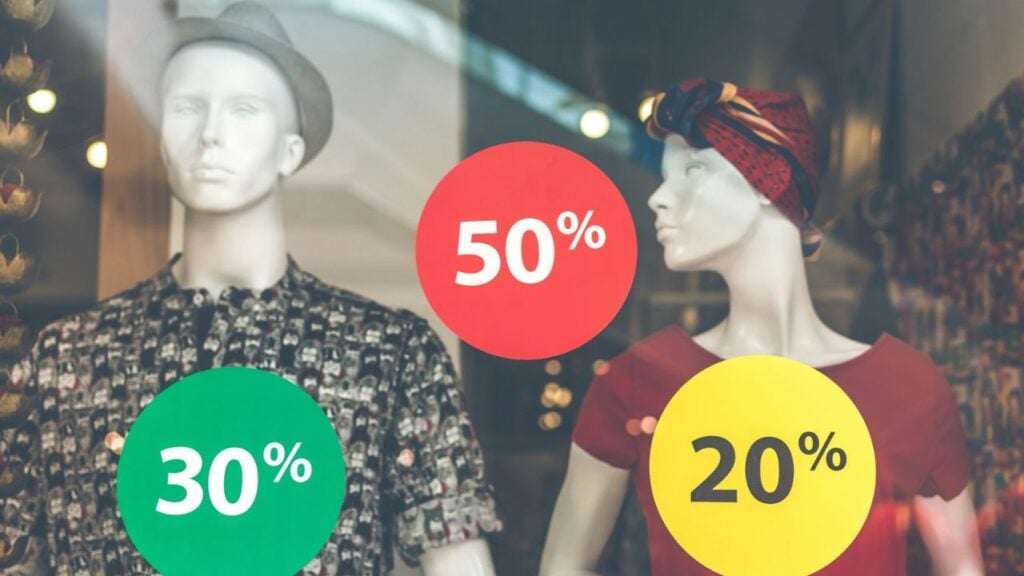
A toy that normally sells for $100 suddenly appearing for $25 might seem like a bargain. However, an unusually steep discount can also be a warning sign, particularly when the product is popular or difficult to find elsewhere.
Price is a key lure in scam emails. So, thieves offer an attractive price to make the customer click the buy button quickly without checking whether the seller is really who they claim to be. It is always best to check for the same product and price in a reputable store before placing an order.
The Federal Trade Commission (FTC) recommends that consumers investigate the seller and the item before you buy. For example, searching a company’s name plus the words “review,” “complaint,” or “scam” can help you spot problems.
2. The Website Pressures You to Buy Immediately

Countdown timers, low-stock notices and notifications claiming a deal will end soon may encourage customers to buy.
Some authentic stores may promote the same sale, but if a website is always urging you to buy, you might want to be cautious. Pay close attention to warnings that pressure you to pay immediately or risk losing your order.
It is wise to stop and do your own research. An authentic discount should still be attractive after a little bit of research.
3. The Seller Copies a Familiar Retailer
A site can display the name, trademark, colors and photos of products from a well-known retailer, even if it is not associated with the retailer.
For example, a scam site could add terms such as “outlet,” “clearance,” or “holiday deals” to a popular brand name. Although the site may look authentic, its URL may point to an entirely different vendor.
Parents should check the retailer’s official website instead of clicking a link to a deal shared in a social media ad or an email notification. If a deal is said to be from a major retailer, go directly to the retailer’s website or app.
4. Contact Details and Return Policies Are Missing

A genuine online store will be upfront and clear about its business practices, customer service and shipping and return policies.
Be wary of sellers that do not show identifiable business details, rely only on a contact form or are difficult to contact. Be wary of product descriptions that do not specify whether the product is new, refurbished or something else.
The FTC suggests that before you buy from a seller, you should check their policies. Consumers should find out who pays for return shipping, the period given for returning an item and whether sale items have different refund policies.
5. The Website Address Looks Suspicious

A small spelling difference in a website address can be easy to overlook, especially when shoppers are browsing several deals at once.
Scam sites include misspellings of the brand name, words that don’t belong or random strings of letters in a URL that looks similar to a retailer. Even if a site displays “https” next to the URL, you cannot assume it is reliable.
If you are ever in doubt, don’t give personal or financial details; check the page address (URL) in the browser’s address bar to ensure it is genuine. If in doubt, close the page and visit the retailer’s website again.
6. Product Photos and Descriptions Do Not Match

Duplicate product images, inconsistent product descriptions and ambiguous policy statements can also be signs of an untrustworthy website.
This is especially true if you are buying a gift for a child. The listing may show a branded toy, but provide a cheap imitation or a completely different item.
Parents need to know the make, type, age designation and other safety information of the toys being sold. Beware of fakes or counterfeits, which do not follow safety guidelines and buy goods that are exactly as they appear.
7. The Seller Requests an Unusual Payment Method

Always be suspicious of a seller who asks you to pay with gift cards, cryptocurrency, a wire transfer or your personal payment account.
The various payment options can make it difficult to get a refund if you never receive an order or if the seller disappears. The FTC recommends paying by credit card if you can, since you may be able to dispute a charge for goods you never received or that were misrepresented.
Parents are advised not to provide anyone with a one-time security code or any other personal details not required to place an order.
How Can Parents Protect Themselves While Shopping?

Parents can avoid many Black Friday scams by following these seven precautions:
- Visit retailers’ official websites or apps instead of clicking unfamiliar shopping links.
- Check deals across multiple stores. Unusually steep discounts may signal a scam.
- Verify the brand, model, age recommendations and product specifications.
- Check independent reviews, contact details and return policies before ordering.
- Prefer credit cards and avoid sellers requesting gift cards, cryptocurrency or wire transfers.
- Never share passwords or one-time verification codes with sellers.
- Keep receipts, payment confirmations and order details in case of disputes.
If a purchase turns out to be fraudulent, contact your bank or card issuer promptly and report the incident at ReportFraud.ftc.gov.

