

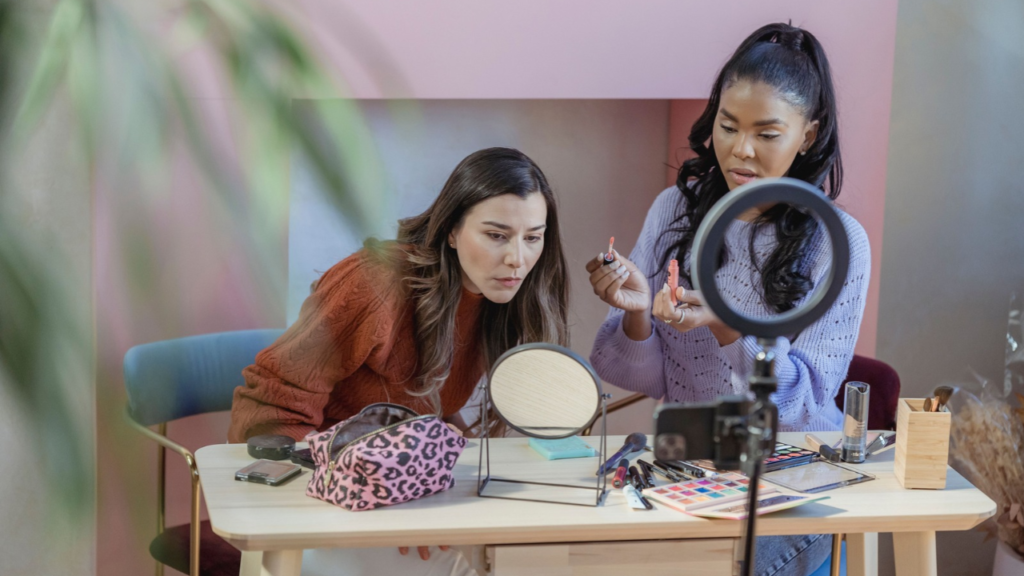
Social media influencers increasingly shape how families approach parenting, relationships and everyday decisions. Their advice can provide valuable support, but it can also create unrealistic expectations.
According to research cited by Florida State University, four in five parents of children ages 0–4 use social media to discuss parenting topics. These platforms offer opportunities to connect with others experiencing similar challenges.
“Parent influencers provide this digital village for parents where they can go online and get resources, support, and validation,” explained family therapist Dr. Nari Jeter.
However, carefully curated content can make ordinary family life seem inadequate. Comparing parenting routines, relationships, and children’s achievements with influencers may increase anxiety and undermine parental confidence. annescollege.fsu.edu
Should Parents Trust Social Media Influencers?
Although influencers often appear knowledgeable, popularity doesn’t necessarily indicate expertise. Parents should distinguish personal experiences from professionally supported advice before making important family decisions.
For example, research found that 85.9% of food-related social media posts came from influencers without recognized nutrition or health qualifications. This raises concerns about potentially misleading dietary advice.
The CUES Project explains that “credibility is often built through visibility, relatability, and aesthetics—not expertise.” Attractive presentations and personal stories can make questionable information appear convincing.
Parents should verify credentials, investigate claims, and consult qualified professionals when necessary. Influencers can provide inspiration, but their recommendations shouldn’t replace reliable medical, nutritional, or parenting guidance. CUES Project
Warning Signs of Potentially Harmful Influencers
Recognizing questionable influencers can help families avoid misinformation, financial scams and unrealistic expectations. Suspicious accounts may display unusual follower activity, misleading promotional claims or little evidence of relevant expertise.
Warning signs include “dubious inauthentic profiles” and excessive emoji-only comments. These patterns can suggest artificially inflated engagement.
Parents should also watch for aggressive product promotions, undisclosed sponsorships, and advice promising guaranteed results. Claims involving children’s health, behavior, or development deserve particular scrutiny.
Ultimately, healthy social media habits require critical thinking and open family conversations. Teaching children to question online personalities helps everyone make more informed decisions about the content they consume. Influencom

