


What do children need to thrive? We know that all children need their physical needs (food, shelter, clothing) met and to feel safe and loved.
However, what it takes to feel safe and loved can vary from child to child, which Professor Emeritus of Pediatrics and Psychiatry W. Thomas Boyce likens to the differing needs of two well-known flowers.
In his 2019 book, The Orchid And The Dandelion, Boyce digs into the distinct needs of ‘sensitive’ kids and develops a framework for understanding them.
Boyce’s Basic Thesis Of Dandelions & Orchids
Boyce’s book isn’t meant to completely define every child, but to help parents understand how some kids can thrive even in tougher environments (which doesn’t mean they aren’t affected) while other kids need a lot more sensitivity and gentle handling to function.
While we often see dandelions growing and appearing to thrive, even in the cracks of sidewalks, orchids need more specific care, such as the right lighting, the right soil, and a comfortable temperature.
Boyce posits that the kids he terms “orchid children,” which he also describes as a “biological susceptibility to social contexts,” also thrive when they’re given the stability, structure, and support they need.
By the way, if you’re wondering why “biological susceptibility” comes up, in the TED Talk below he goes into lab results showing that his team found that about 20% of kids actually respond on a biological level (via mean arterial pressure) to situations others don’t react to at all. He posits that this makes them more susceptible to illness and to developmental disorders.
How Can I Tell If My Child Is An “Orchid”?
“Orchid child” isn’t a diagnosis. It’s a framework for understanding why some kids may need more support and structure than others.
Parents whose child falls into this category are likely already nodding, because they already have in mind a time when their child had a meltdown because the playground was closed, dinner was late, or an unexpected social interaction happened.
Parents of autistic kids and kids with diagnoses of “highly sensory person” might also recognize their child, although it’s important to be clear that “orchid” doesn’t necessarily mean autism, even though there can be some overlap.
If your child is an orchid, you will probably notice it due to sensitivities to tastes, textures, sounds, or other experiences. They may avoid specific flavors, clothing textures, or bright lights and loud noises, and not just in the same “meh, I don’t really like that” way that everyone has sometimes. Instead, for these kids, having to eat the mushy peas or wear the stiff denim might feel so completely wrong that it ruins their day and prevents them from enjoying anything else.
As depicted above, their bodies actually react to these seemingly minor inconveniences or discomforts with the fight-or-flight response that most people reserve for more intense situations.
How Do We Support Orchid Children?

Boyce has several tips to help support orchid kids, but the overarching theme is that parents should understand that their kids’ needs are genuinely different. These kids aren’t being difficult, they’re having a hard time, and when they complain about an uncomfortable sock or beg to wear their headphones in the restaurant, it’s because these environmental discomforts affect them way more than they may affect others.
Beyond simply being understanding and supportive, parents are advised to provide structure and a schedule. Orchid children thrive best when they know what to expect.
It’s also recommended to express love often. (Every child needs this, but the idea is that orchid kids might be more prone to feeling the absence. Please tell all your kids you love them, even if you’re confident they’re dandelions.)
Provide plenty of opportunities for imaginative play, and talk through potentially stressful situations.
So, What About Those Dandelions?
Maybe you have a child who doesn’t actually notice that it’s loud in Walmart, isn’t concerned if his sock has a seam, and would be totally content to spend every moment immersed in chaos and social interaction.
Even though Boyce compares these kids to dandelions, which keep popping back up and surviving no matter what, that doesn’t mean they are truly thriving without love and support.
Most kids do benefit from structure and schedules, and all kids need to know they’re loved.
All kids also need an appropriate balance of different types of playtime, with some of it unstructured and free, and some social and organized. That balance just might be different for orchids and dandelions.
What Should Parents Take From This?
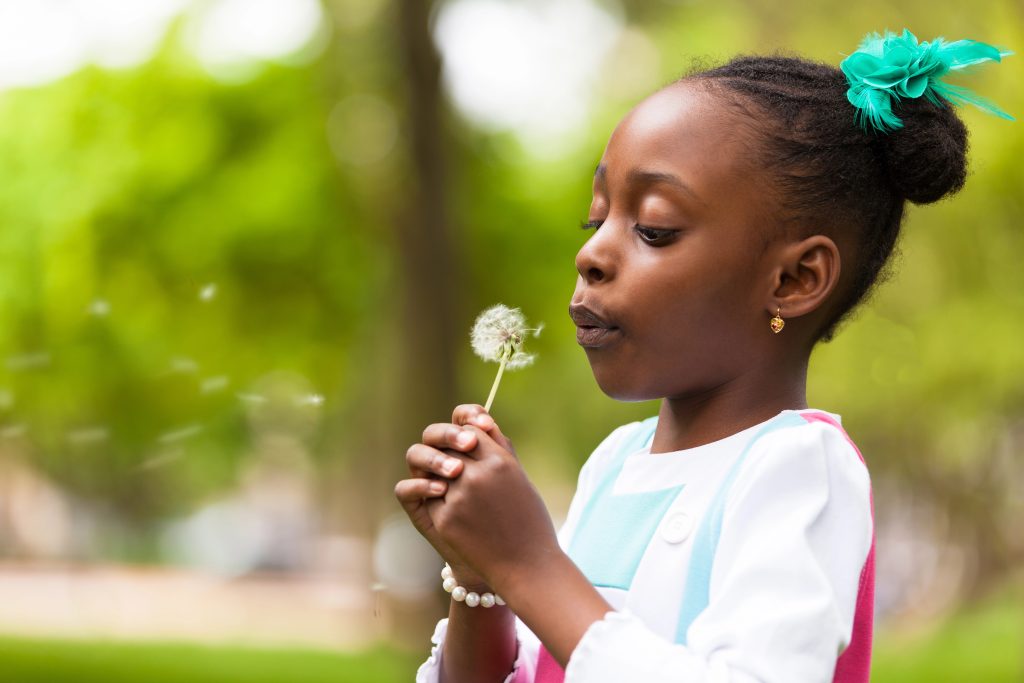
Most importantly, don’t take the idea as a strict labeling system that you use to dictate how much attention and support your kids get.
Instead, consider it a way of thinking about the different ways that your children’s bodies, brains, and emotions react to day-to-day events. Use it to help yourself understand the needs of your more sensitive children, and to recognize that they really do exist on a biological level. Your child isn’t just being picky, even if that’s how it feels from the outside.
From Boyce’s research, we can know that our kids are truly communicating to us the needs they genuinely have, and that meeting those needs isn’t “spoiling” or reinforcing picky behavior. It’s giving kids the support they require.
