

A new Lingokids study reveals which characters kids ages 3 to 8 love most
Lingokids commissioned its new Kids Interactive Entertainment Report 2026 to better understand how today’s children discover entertainment, interact with characters and use screens. The report combines a survey of 2,000 parents, Lingokids usage data and research from The Insights Family.
The research comes at a time when children’s entertainment is becoming increasingly interactive. According to the report, 63% of screentime among kids ages 3 to 8 is now interactive, including gaming, going online and creating content, compared with 37% that is passive viewing.
That shift matters because games have become the third-most-common way kids discover new characters, behind television shows and movies but ahead of toys, books, the internet and friends.
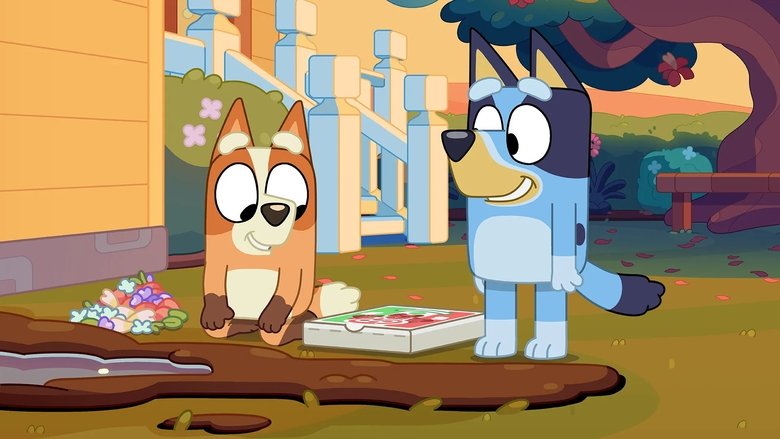
Barbie and Bluey Lead the Girls’ List
For girls ages 3 to 8, the top 10 favorite characters are Barbie, Bluey, Elsa from Frozen, Moana, SpongeBob SquarePants, Hello Kitty, Peppa Pig, Spider-Man, Cinderella and Mickey Mouse.
The boys’ rankings look somewhat different, with Spider-Man, Sonic the Hedgehog, SpongeBob SquarePants, Superman, Bluey, Batman, Mario, Mickey Mouse, Chase from Paw Patrol and Iron Man making the top 10.
There is plenty of crossover, too. Bluey, SpongeBob, Mickey Mouse and Spider-Man demonstrate that favorite characters don’t necessarily fit neatly into traditional gender categories.
Why Do Kids Connect With These Characters?
Lingokids’ research suggests that today’s children increasingly want to interact with characters rather than simply watch them. “Gen Alpha is a game-first, interactive-first generation,” said Maud Cariddi, Lingokids’ global VP of brand.
That may help explain why familiar characters from movies, television and games remain so powerful: children can now play with them, explore stories with them and encounter them across multiple forms of entertainment.
There’s also a strong generational connection. More than two-thirds of parents surveyed—68.4%—said their child is a fan of at least some of the same characters they enjoyed growing up, suggesting that characters can become a bridge between parents and kids.
As Cariddi puts it, when children encounter a favorite character in a game, they don’t simply recognize them—they “build memories with them.”

