
Deep Blue (2003)
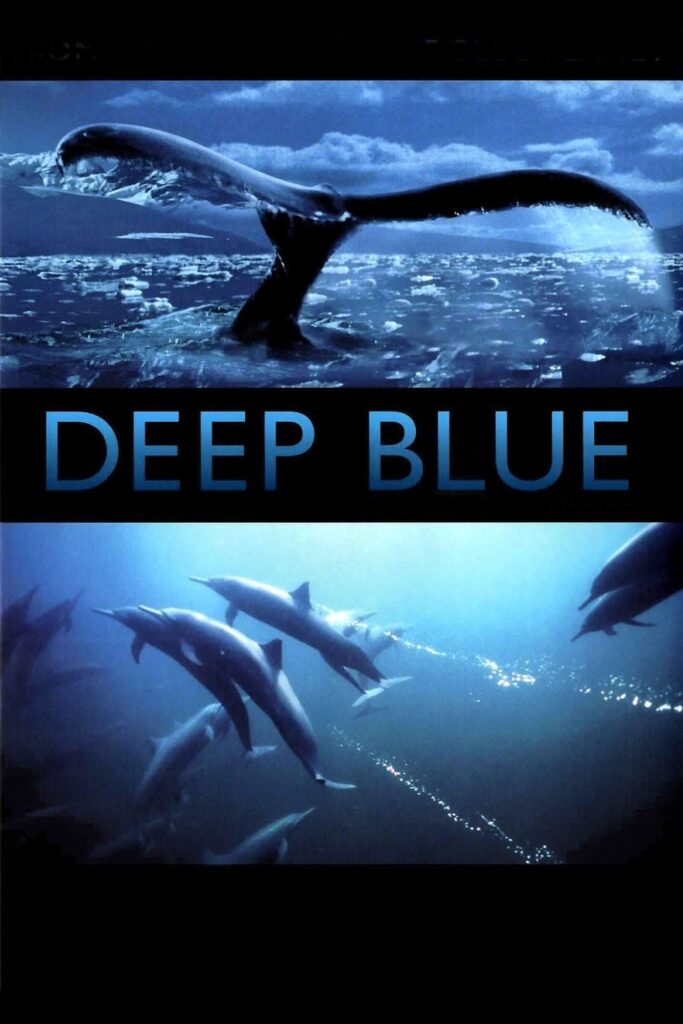
Synopsis:
Deep Blue takes audiences on an epic underwater journey exploring the world's oceans and the remarkable life they sustain. Shot by the BBC Natural History Unit, this documentary feature uses stunning footage to reveal the beauty and diversity of marine environments, from sunlit shallows to the mysterious depths. Narrated by Michael Gambon, with contributions from David Attenborough and Pierce Brosnan, the film captures the daily dramas of ocean creatures in their natural habitats. Designed as a cinematic experience for all ages, Deep Blue presents the ocean's story through breathtaking visuals that showcase everything from playful dolphins to majestic whales, colorful coral reefs to the creatures that inhabit the darkest trenches. This family-friendly documentary offers an immersive look at Earth's vast underwater realm and the incredible animals that call it home.
Where To Watch: Deep Blue
Parental Feedback
Deep Blue offers families a sweeping, visually stunning journey beneath the ocean's surface, blending moments of serene beauty with sequences of dramatic predator-prey encounters. The pacing shifts between tranquil underwater scenes and bursts of intense action as marine life hunts and survives in its natural habitat. Parents should anticipate some emotionally stirring moments as the documentary captures both the majesty and the harsh realities of ocean ecosystems, presented through epic cinematic storytelling that may captivate older children while potentially overwhelming very young viewers.
Why Kids Should Watch Deep Blue
This documentary provides an extraordinary window into the wonders of marine life that most families will never witness firsthand.
The breathtaking cinematography captures ocean creatures in their natural environments with remarkable clarity and detail, offering children an immersive educational experience that brings science and nature to life in ways textbooks cannot match.
Narration by respected voices including Michael Gambon and David Attenborough guides viewers through the underwater world with authority and warmth, helping children understand the behaviors and habitats of diverse marine species.
The documentary fosters environmental awareness and appreciation for ocean conservation, encouraging young viewers to develop respect for ecosystems and the interconnected life they support.
As a BBC Natural History Unit production, the content delivers scientifically accurate information presented in an engaging, accessible format that can spark curiosity about marine biology and the natural world.
Why Kids Shouldn't Watch Deep Blue
Despite its educational value, certain aspects of the documentary may prove challenging for sensitive or very young children.
The film includes natural predator-prey sequences showing marine animals hunting and consuming other creatures, which some children may find distressing or difficult to process emotionally.
At 83 minutes of primarily observational footage without a traditional narrative structure, younger viewers with shorter attention spans may struggle to remain engaged throughout the entire runtime.
Some underwater sequences depicting the vastness and depth of the ocean, along with large predators like sharks, could trigger anxiety in children who are fearful of water or marine life.
Verdict: Parent Approved
Deep Blue earns approval as an enriching, family-friendly documentary that educates while entertaining, though parents should preview for very young or sensitive children.
What Parents Should Know About Deep Blue
| Question | Answer |
|---|---|
| Does this Movie model positive behavior that my child can understand and repeat? | As a nature documentary, it presents animal behavior objectively rather than modeling human social behaviors, though it does encourage respect for wildlife and environmental stewardship. |
| Does this Movie include emotional moments my child might find confusing or intense? | Yes, sequences showing predation and the survival struggles of marine animals may evoke strong emotions or raise questions about life and death in nature. |
| Does this Movie show consequences for unkind or unsafe behavior? | The documentary depicts natural consequences within ecosystems, showing how animals must adapt and survive, though it does not frame these in moral terms of kindness or unkindness. |
| Does this Movie reinforce helpful social skills like sharing, apologizing, or teamwork? | While not focused on human social skills, it does showcase cooperative behaviors among certain marine species and the interdependence of ocean life. |
| Will my child come away with any clear moral or message? | Children will likely absorb messages about the beauty and fragility of ocean ecosystems and the importance of protecting marine environments for future generations. |
The Overall Sentiment From Parental Feedback
Parents generally appreciate Deep Blue as a visually magnificent educational resource that introduces children to marine biology in an engaging format. Many families value the documentary's ability to inspire wonder and environmental consciousness while providing accurate scientific content. Some parents note that the predation scenes require context and discussion, particularly with younger or more sensitive viewers who may need reassurance about the natural cycle of life in the ocean. Overall, families find it to be a worthwhile viewing experience that balances entertainment with education, though recommendations often include watching together to address questions and provide comfort during more intense sequences.
Official Deep Blue Trailer
Why Kids Love Deep Blue
Kids love diving into the ocean's wildest moments as Deep Blue captures sharks hunting in explosive bursts of speed and whales breaching the surface in massive splashes. The fast-paced action keeps young viewers glued to the screen as predators chase prey through coral reefs and open water, creating natural rollercoaster moments that feel like an underwater adventure ride.
The bright colorful worlds beneath the waves dazzle with tropical fish darting through vibrant coral gardens and jellyfish pulsing with glowing colors. Every scene bursts with visual excitement as the camera swoops through kelp forests and follows schools of fish swirling in mesmerizing patterns, transforming the ocean into a living kaleidoscope.
Animal friends of all sizes parade across the screen, from playful dolphins spinning through the water to tiny seahorses clinging to swaying plants. Kids get front-row seats to penguins rocketing underwater like feathered torpedoes and sea lions twisting and turning in acrobatic displays that rival any circus act.
Exploring nature becomes a thrilling expedition as the documentary plunges from sunlit shallows to mysterious deep-sea zones where strange creatures glow in the darkness. The constant movement and discovery keep the pace energetic, making every minute feel like uncovering a new secret hiding beneath the waves.