
Pretty in Pink (1986)
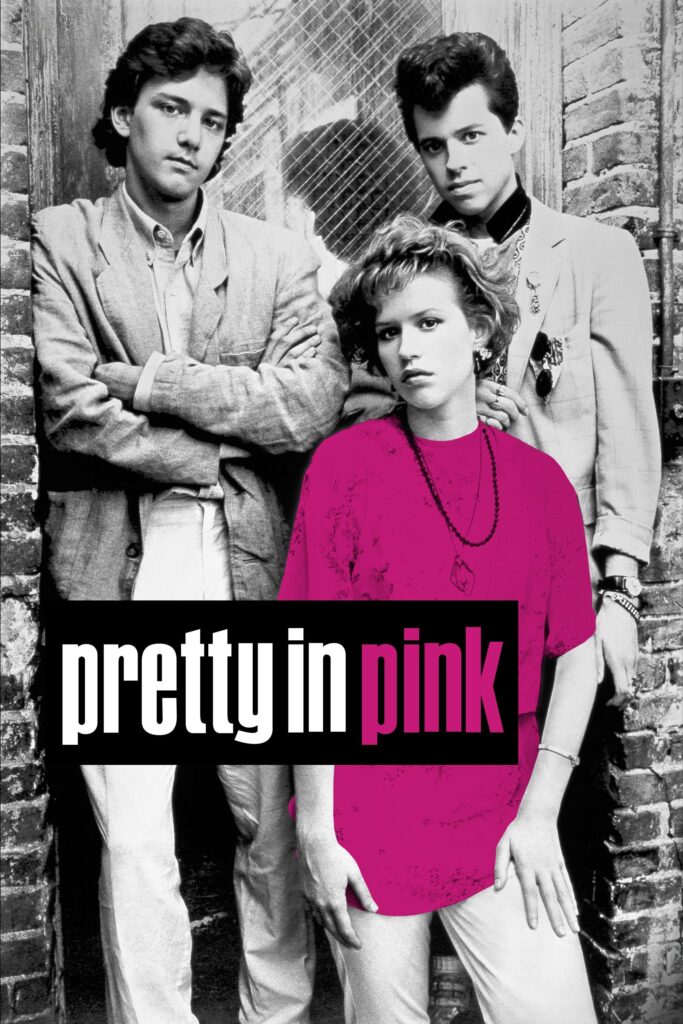
Synopsis:
Andie is an outcast who works at a record store and spends time with her older boss and her quirky high school classmate Duckie, who harbors a crush on her. Her world shifts when Blane, one of the wealthy and popular students at school, asks her out. Though it seems too good to be true, Andie begins falling for him. However, she quickly discovers that dating someone from a completely different social sphere brings unexpected challenges. As their relationship develops, Andie must navigate the complex dynamics between her working-class background and Blane's privileged world, while also managing her friendship with the devoted Duckie. This teen romance explores themes of class division, loyalty, and staying true to oneself when faced with social pressure and the complications that arise when two people from opposite sides of the high school hierarchy attempt to bridge their differences.
Where To Watch: Pretty in Pink
Parental Feedback
Pretty in Pink presents a thoughtful exploration of class differences and teenage romance with a measured, character-driven pace that balances lighthearted moments with genuine emotional depth. Parents should expect themes of social inequality, peer pressure, and the challenges of navigating relationships across economic divides, all presented through a PG-13 lens that maintains sensitivity while addressing real adolescent struggles. The tone shifts between quirky humor—particularly through supporting characters—and more serious moments that examine loyalty, self-worth, and the courage to be authentic in the face of social judgment.
Why Kids Should Watch Pretty in Pink
Pretty in Pink offers several valuable lessons for young viewers navigating their own social landscapes.
The story centers on a protagonist who demonstrates remarkable independence and self-respect despite economic hardship, showing teens that personal integrity matters more than material wealth. Andie's determination to stay true to herself while working at a record store and managing her home life provides a strong example of resilience.
The narrative honestly portrays the complexities of friendship and romantic relationships, particularly through Duckie's unwavering loyalty and the challenges that arise when crossing social boundaries. These dynamics offer opportunities for families to discuss what genuine friendship looks like and how to handle complicated feelings.
The film addresses class consciousness and social hierarchies in high school without oversimplifying the issues, encouraging viewers to think critically about prejudice and privilege. This creates natural conversation starters about fairness, empathy, and standing up for what's right.
Strong performances from the ensemble cast, including Molly Ringwald and supporting actors, bring authenticity to the characters' struggles and growth. The emotional honesty helps teens feel seen and understood during their own formative years.
Why Kids Shouldn't Watch Pretty in Pink
Parents may want to consider several aspects before viewing with younger or more sensitive children.
The film's central conflict revolves around social class divisions and the pain of being judged or excluded based on economic status, which could be distressing for children experiencing similar situations. The emotional weight of feeling like an outsider is portrayed with significant depth that might resonate uncomfortably for vulnerable viewers.
Romantic tension and unrequited love form major plot threads, including a character harboring feelings that aren't reciprocated, which may be emotionally complex for younger audiences to process. The navigation of these feelings and relationship choices requires a certain level of maturity to fully understand.
Some characters display unkind behavior rooted in elitism and social prejudice, and while consequences exist, the portrayal of peer cruelty and exclusion could be upsetting. The PG-13 rating reflects content that may not be appropriate for all age groups without parental guidance and discussion.
Verdict: Parent Approved
Pretty in Pink earns approval for families with teens ready to engage with thoughtful discussions about class, identity, and the courage to follow one's heart despite social pressure.
What Parents Should Know About Pretty in Pink
| Question | Answer |
|---|---|
| Does this Movie model positive behavior that my child can understand and repeat? | Yes, Andie demonstrates self-respect, work ethic, and the courage to be authentic despite peer pressure and economic challenges. |
| Does this Movie include emotional moments my child might find confusing or intense? | Yes, the film explores unrequited love, social rejection, and the pain of being judged for one's economic background, which may resonate deeply with sensitive viewers. |
| Does this Movie show consequences for unkind or unsafe behavior? | Yes, characters who display elitist attitudes and cruelty face social consequences and are portrayed as being in the wrong. |
| Does this Movie reinforce helpful social skills like sharing, apologizing, or teamwork? | Yes, the story emphasizes loyalty in friendship, the importance of honest communication in relationships, and standing by those you care about. |
| Will my child come away with any clear moral or message? | Yes, the film conveys that authenticity and personal integrity matter more than social status or wealth, and that true relationships transcend superficial boundaries. |
The Overall Sentiment From Parental Feedback
Parents generally appreciate Pretty in Pink as a coming-of-age story that handles class differences and teenage romance with more nuance than typical teen fare. Many note that the PG-13 rating is appropriate, as the film addresses mature themes like economic inequality and social exclusion without graphic content, making it suitable for family viewing with older children. Feedback suggests the movie works best as a conversation starter about peer pressure, self-worth, and navigating complex social dynamics. Some parents caution that younger or more sensitive children might find the emotional intensity and themes of rejection challenging, recommending it primarily for mature middle schoolers and high schoolers who can appreciate the character development and social commentary. Overall, families value the film's honest portrayal of adolescent struggles and its ultimately hopeful message about staying true to oneself.
Official Pretty in Pink Trailer
Why Kids Love Pretty in Pink
Kids love watching Andie navigate the social minefield of high school, where every hallway encounter and cafeteria moment crackles with tension. The film turns everyday situations—like showing up to a party where you don't fit in or facing down the popular crowd—into edge-of-your-seat scenarios that feel genuinely thrilling.
Duckie steals nearly every scene with his wild antics and over-the-top declarations of devotion, providing comic relief that keeps the energy high. His impromptu performances and fearless attitude make him the kind of sidekick who's impossible not to root for, even when he's being completely ridiculous.
The movie celebrates Andie's unique fashion sense and DIY creativity, showing her transforming thrift store finds into head-turning outfits that make a statement. Young viewers get caught up in her bold choices and refusal to blend in, watching her prove that being different is actually pretty cool.
The central conflict between the wealthy "richies" and the working-class kids creates natural drama that keeps things moving. When Andie crosses social boundaries to hang out with Blane, the stakes feel real and immediate, making every interaction charged with the possibility of disaster or triumph.