
The Karate Kid Part II (1986)
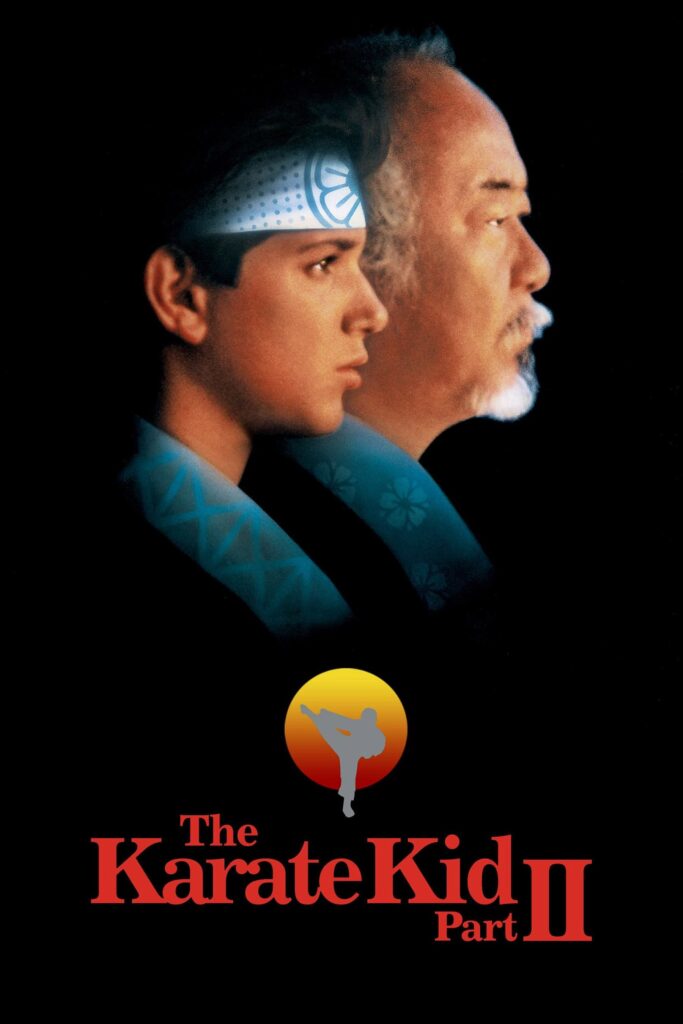
Synopsis:
When Mr. Miyagi receives word that his father is dying, he returns to his homeland of Okinawa after forty years away, bringing his student Daniel LaRusso along for the journey. Upon arrival, Miyagi must face unresolved conflicts from his past, including reuniting with Yukie, his former love, and confronting Sato, once his best friend but now a bitter rival determined to fight him to the death. As tensions escalate and threaten to destroy their village, Daniel navigates his own challenges when he falls for Yukie's niece Kumiko and clashes with Sato's aggressive nephew Chozen. Far from the familiar tournament settings and safety of home, both mentor and student must confront difficult tests of courage and honor, where the stakes are higher than ever before and the consequences deeply personal.
Where To Watch: The Karate Kid Part II
Parental Feedback
The Karate Kid Part II shifts from tournament competition to a more personal, emotionally driven story set in Okinawa, where themes of honor, loyalty, and reconciliation take center stage. Parents should expect a slower, more contemplative pace than typical action films, with significant focus on cultural traditions, family obligations, and romantic subplots alongside martial arts sequences. The intensity builds around life-or-death stakes and village-threatening conflict, creating tension that balances dramatic emotional moments with the franchise's signature mentorship and coming-of-age elements.
Why Kids Should Watch The Karate Kid Part II
This continuation of Daniel and Mr. Miyagi's journey offers valuable lessons wrapped in an adventure that spans cultures and generations.
The story emphasizes the importance of honor and facing one's past with courage, as Mr. Miyagi confronts a 40-year exile and unresolved conflicts with former friends and lost love. Young viewers witness how difficult choices and personal integrity shape character over a lifetime.
The mentor-student relationship between Daniel and Mr. Miyagi deepens significantly, demonstrating how true friendship transcends age and cultural boundaries. Their bond shows the power of loyalty and mutual respect in navigating unfamiliar and dangerous situations together.
Cultural exploration provides an educational dimension as the story unfolds in Okinawa, introducing traditions, values, and perspectives that broaden understanding. Daniel's romance with Kumiko and his interactions with the village community offer glimpses into a different way of life.
The narrative reinforces that real strength comes from choosing peace over violence whenever possible, even when provoked. The cost of honor and the consequences of vengeance are explored through the conflict between Sato and Mr. Miyagi, teaching restraint and wisdom.
Why Kids Shouldn't Watch The Karate Kid Part II
Despite its positive messages, certain elements may concern parents depending on their child's age and sensitivity.
The stakes escalate to life-or-death confrontations, with Sato bent on a fight to the death and threats of village destruction creating intense dramatic tension. The vicious nature of the antagonist Chozen adds a darker edge than typical family-friendly conflicts.
Romantic subplots between Daniel and Kumiko, as well as the rekindled feelings between Mr. Miyagi and Yukie, occupy significant screen time. Younger children may find these storylines less engaging or potentially confusing compared to action sequences.
The slower pacing and emphasis on emotional drama over tournament excitement may not hold the attention of children expecting constant action. The contemplative nature of the story requires patience and maturity to fully appreciate its themes of exile, lost love, and reconciliation.
Verdict: Parent Approved
The Karate Kid Part II earns approval for families with older children who can appreciate its deeper themes of honor, friendship, and cultural respect, though parents should prepare for more intense emotional stakes than the original.
What Parents Should Know About The Karate Kid Part II
| Question | Answer |
|---|---|
| Does this Movie model positive behavior that my child can understand and repeat? | Yes, it demonstrates loyalty, respect for elders, cultural appreciation, and choosing peaceful resolution over violence when honor and friendship are tested. |
| Does this Movie include emotional moments my child might find confusing or intense? | Yes, themes of 40-year exile, lost love, dying fathers, and life-or-death confrontations create emotionally complex situations that may require parental discussion. |
| Does this Movie show consequences for unkind or unsafe behavior? | Yes, the vicious and vengeful actions of antagonists like Chozen and Sato lead to direct consequences, reinforcing that cruelty and revenge carry serious costs. |
| Does this Movie reinforce helpful social skills like sharing, apologizing, or teamwork? | Yes, it emphasizes reconciliation, facing past mistakes, supporting friends through difficult times, and working together to protect community and honor. |
| Will my child come away with any clear moral or message? | Yes, the story teaches that true honor means choosing peace over violence, that friendship transcends time and distance, and that confronting one's past with courage is essential to growth. |
The Overall Sentiment From Parental Feedback
Parents generally appreciate the continuation of Daniel and Mr. Miyagi's relationship and the deeper exploration of Mr. Miyagi's background, finding the cultural setting educational and the themes of honor meaningful for family discussion. Many note that the shift from tournament competition to personal drama creates a different viewing experience that older children and teens may connect with more than younger viewers. Some parents express concern about the increased intensity of the life-or-death stakes and the darker tone of the antagonists, particularly Chozen's vicious nature, suggesting careful consideration of individual child maturity levels. The romantic elements receive mixed feedback, with some families viewing them as age-appropriate coming-of-age content while others feel they slow the pacing for action-oriented younger viewers. Overall, families value the positive messages about friendship, cultural respect, and choosing peace, making it a worthwhile watch with appropriate age consideration.
Official The Karate Kid Part II Trailer
Why Kids Love The Karate Kid Part II
Daniel faces his most dangerous opponent yet when he travels to Okinawa and goes head-to-head with the ruthless Chozen. The fights escalate from intense training sessions to a dramatic showdown where the stakes are life and death, delivering edge-of-your-seat martial arts action that keeps the adrenaline pumping.
Mr. Miyagi takes on his former best friend Sato in a rivalry that threatens to destroy an entire village. When a massive typhoon strikes Okinawa, the action shifts into rescue mode as characters race against time to save people trapped in the chaos, turning the natural disaster into an exciting set piece of bravery and quick thinking.
Daniel proves himself as a true hero by standing up to bullies in a foreign land where he's the outsider. He teams up with new friends like Kumiko and young Toshio, showing that courage and friendship can overcome any challenge, even when facing vicious enemies like Chozen who will stop at nothing to win.
The movie delivers non-stop excitement as Daniel must fight when only the winner survives, raising the stakes far beyond any tournament. From dramatic clifftop confrontations to village-threatening showdowns, every battle scene crackles with intensity and showcases spectacular karate moves that make kids want to jump up and practice their own kicks.