
Where the Wild Things Are (2009)
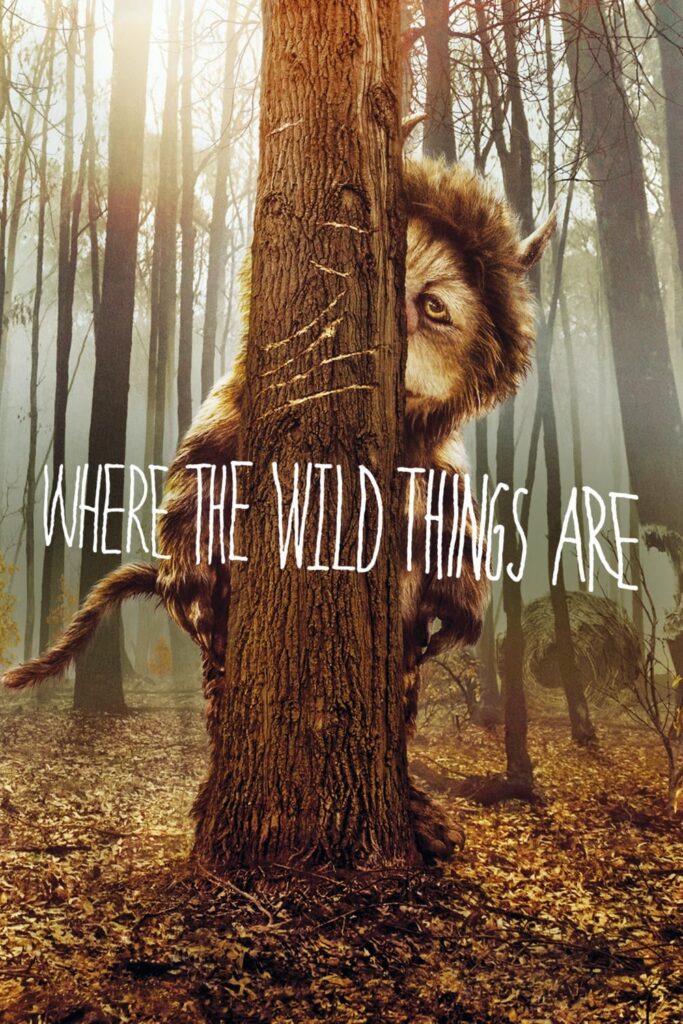
Synopsis:
Max, a young boy feeling misunderstood at home, imagines escaping from his mom by sailing away to a distant land inhabited by enormous talking creatures. There he encounters Carol, KW, Ira, Judith, Douglas, Alexander, and the Bull—wild beasts who crown him as their king. Together, they engage in wild rumpus celebrations, construct elaborate forts, and explore hidden sanctuaries. This imaginative adventure blends fantasy and drama as Max navigates the complexities of friendship and leadership among his new companions. Directed by Spike Jonze and featuring the voices of James Gandolfini, Lauren Ambrose, Catherine O'Hara, Forest Whitaker, Chris Cooper, and Paul Dano, the story explores themes of childhood emotions and the power of imagination, offering families a visually striking journey into a world where feelings run as wild as the creatures themselves.
Where To Watch: Where the Wild Things Are
Parental Feedback
Where the Wild Things Are offers a contemplative and emotionally nuanced experience that balances moments of imaginative play with deeper themes of loneliness, anger, and belonging. The pacing is deliberate rather than frenetic, allowing space for quiet reflection alongside bursts of rumpus and adventure. Parents should be prepared for a tone that leans more introspective and sometimes melancholic than purely whimsical, exploring complex feelings through the eyes of a young boy navigating his inner world and relationships with fantastical creatures.
Why Kids Should Watch Where the Wild Things Are
Where the Wild Things Are provides several meaningful opportunities for young viewers to engage with important emotional concepts.
The story validates children's big feelings by showing Max experiencing anger, frustration, and the need to escape, then working through those emotions in his imaginary kingdom. This honest portrayal helps kids recognize that difficult feelings are normal and part of growing up.
The imaginative world-building encourages creativity and shows the power of a child's imagination to process real-world challenges. Max's journey to a far-off land where he becomes king demonstrates how play and fantasy can help children make sense of their experiences.
The relationships between Max and the Wild Things, particularly Carol, explore themes of friendship, empathy, and understanding others' perspectives. These interactions model how connections require effort, patience, and the ability to see beyond one's own needs.
The visual storytelling and unique creature designs create a rich sensory experience that can spark conversations between parents and children about feelings, family, and what it means to belong somewhere.
Why Kids Shouldn't Watch Where the Wild Things Are
Parents may want to consider several aspects of Where the Wild Things Are before viewing with younger or more sensitive children.
The emotional intensity throughout can be overwhelming for some children, as the story doesn't shy away from depicting anger, sadness, and conflict without always providing immediate resolution or comfort. The Wild Things themselves experience volatile mood swings and express frustration in ways that might be unsettling.
Some scenes contain moments of destruction and tension between characters that could frighten younger viewers, particularly when the creatures argue or when their world begins to fall apart. The tone can feel heavy and somber rather than consistently uplifting.
The deliberate pacing and introspective nature may not hold the attention of children expecting constant action or clear-cut lessons, as the narrative focuses more on emotional exploration than traditional plot-driven entertainment.
Verdict: Parent Approved
Where the Wild Things Are earns approval for families ready to engage with a thoughtful, emotionally honest story that treats children's feelings with respect and depth, though parents should gauge their child's readiness for its contemplative and sometimes intense emotional landscape.
What Parents Should Know About Where the Wild Things Are
| Question | Answer |
|---|---|
| Does this Movie model positive behavior that my child can understand and repeat? | The story shows Max learning about empathy and the consequences of his actions, though the path to these lessons involves mistakes and emotional complexity rather than straightforward examples. |
| Does this Movie include emotional moments my child might find confusing or intense? | Yes, the story contains several emotionally charged scenes involving anger, sadness, and conflict between Max and the Wild Things that may require parental guidance to process. |
| Does this Movie show consequences for unkind or unsafe behavior? | The narrative demonstrates that actions have emotional consequences, as Max sees how his choices affect the Wild Things and their world, though these lessons unfold gradually and subtly. |
| Does this Movie reinforce helpful social skills like sharing, apologizing, or teamwork? | The story touches on these themes through Max's interactions with the creatures, showing the challenges of building forts together and navigating relationships, though not always with clear-cut resolutions. |
| Will my child come away with any clear moral or message? | Children may understand themes about accepting difficult emotions, the importance of home and family, and that running away doesn't solve problems, though the messages are woven subtly throughout rather than stated explicitly. |
The Overall Sentiment From Parental Feedback
Parents generally appreciate Where the Wild Things Are for its artistic integrity and willingness to treat childhood emotions with seriousness and respect, though opinions vary on age-appropriateness. Many families find it serves as an excellent conversation starter about feelings, family dynamics, and imagination, particularly for children who can handle more contemplative storytelling. Some parents note that younger children may find certain scenes frightening or confusing, while older elementary-aged viewers often connect more deeply with Max's emotional journey. The consensus suggests this works best as a shared viewing experience where parents can help children process the more complex emotional moments and discuss the themes of belonging, anger, and reconciliation that run throughout the story.
Official Where the Wild Things Are Trailer
Why Kids Love Where the Wild Things Are
Max sails away to a mysterious island filled with towering, fuzzy creatures who crown him their king and let him lead wild rumpus celebrations. The beasts stomp, howl, and pile on top of each other in chaotic play sessions that feel like the ultimate playground adventure. Kids love watching Max command his new friends through rowdy games where anything goes.
The Wild Things build an enormous fort together, stacking logs and creating secret hideaways perfect for exploring. Carol and the other creatures show Max hidden spots across their colorful world, from dense forests to open fields. Every corner of the island holds a new discovery waiting to be found.
Each beast has a distinct personality—Carol's wild energy, KW's independence, and gentle Ira's calm presence make the island feel like a place where everyone belongs. Max connects with these unusual animal friends who accept him exactly as he is. The creatures' silly arguments and playful wrestling matches create nonstop entertainment.
The rumpus scenes deliver pure chaos as the Wild Things crash through trees, roll down hills, and roar at the moon. Max rides on Carol's shoulders while the whole group charges across the landscape in joyful mayhem. These wild rollercoaster moments capture the thrill of letting loose with friends who love adventure as much as you do.