

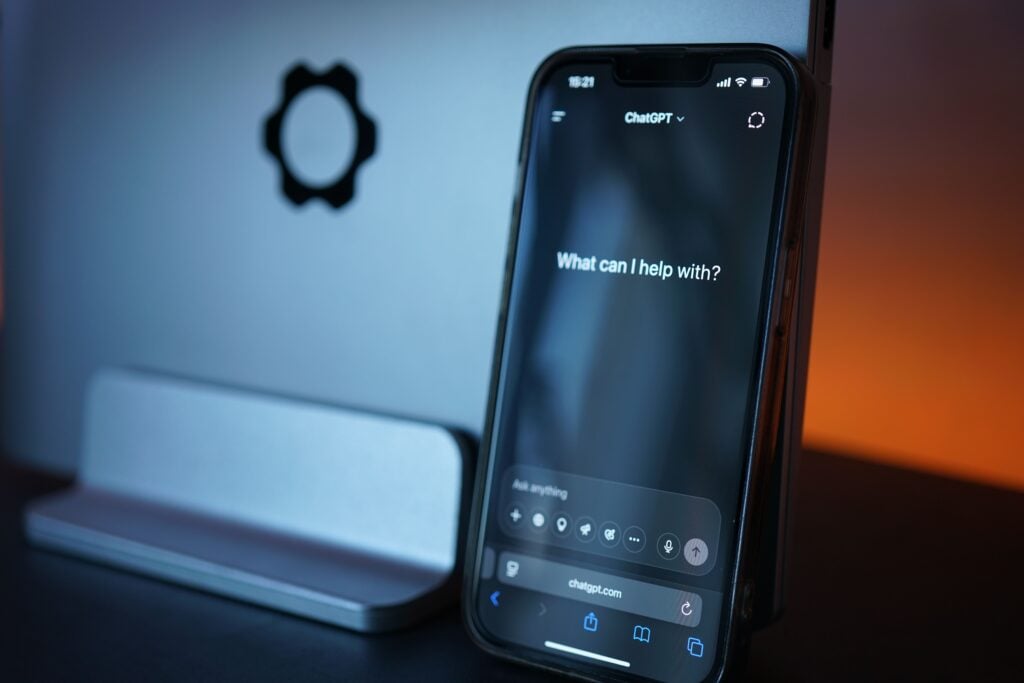
OpenAI has announced a dedicated ChatGPT experience tailored specifically for teenagers aged 13 to 17, focusing on age-appropriate interaction and study support. According to Fox Business, the company addresses safety with a portal featuring “homework help tools, quiet hours and stronger content guardrails for minors.” The system automatically routes detected minors to this mode, restricting romantic conversations and preventing the AI from expressing human-like feelings or consciousness.
This new interface introduces specialized features like Study Mode and scheduled Study Hours to foster healthier digital learning habits. By offering step-by-step guidance rather than quick answers, the platform encourages students to engage directly with their assignments. Additionally, built-in break reminders prompt teenagers to take regular pauses during extended usage sessions.
Parental supervision is also integrated into the system, allowing guardians to set custom boundaries for their children’s accounts. Linked accounts enable parents to restrict access during specific hours and receive alerts in certain high-risk situations. This balanced approach aims to preserve teenage privacy while offering families essential oversight tools.
Criticisms and Questions Over Safeguards
Despite the upgraded protections, digital rights advocates and child safety experts question whether the restrictions go far enough to protect young users. Concerns remain over age-verification accuracy and optional parental linking, as teens can still access the platform unmonitored if parents do not opt in. Critics highlight that relying on algorithmic age prediction leaves loopholes, though OpenAI executives emphasize that their core mission is to “make sure that this is safe, even if you don’t use parental controls.”
Skeptics also argue that software-based guardrails cannot entirely prevent determined teenagers from bypassing safety protocols. Because age verification relies partly on self-reporting and usage patterns, underage users might easily circumvent the teen portal. Without mandatory parental opt-in requirements, many vulnerable minors may continue navigating the platform without adequate supervision.
Furthermore, consumer advocates emphasize that tech companies must remain accountable for the emotional impact of conversational AI. While stricter filters block explicit topics, subtle psychological influences can still affect developing minds over prolonged use. Independent oversight and rigorous testing will be crucial to determining if these new measures truly safeguard young users.
Risks Facing Teens and Actionable Steps for Parents
Teenagers using AI chatbots face growing risks of emotional reliance, exposure to unverified advice, and unhealthy attachment to virtual entities. The scale of engagement is significant. A 2025 study by Common Sense Media revealed that “more than 70 per cent of teens are turning to AI chatbots for companionship.” Parents can mitigate these risks by linking accounts to enforce quiet hours, having open conversations about digital boundaries, and actively supervising how their children use AI for schoolwork and emotional support.
To build healthy boundaries, parents should establish clear house rules regarding when and where AI tools can be accessed. Encouraging open dialogue helps teenagers feel comfortable discussing weird or distressing chatbot interactions without fear of losing their device privileges. Co-viewing AI sessions during homework time can also demonstrate how to use technology as an educational supplement rather than a substitute for human thought.
Finally, adults should actively monitor their children for signs of social withdrawal or over-reliance on artificial relationships. Promoting offline hobbies, real-world social activities, and physical sports ensures that digital tools remain just one small part of a balanced lifestyle. By staying involved and setting clear expectations, families can empower teenagers to navigate the evolving digital landscape safely.

